Locksmith in Kitchener, OntarioA locksmithwho explains things.
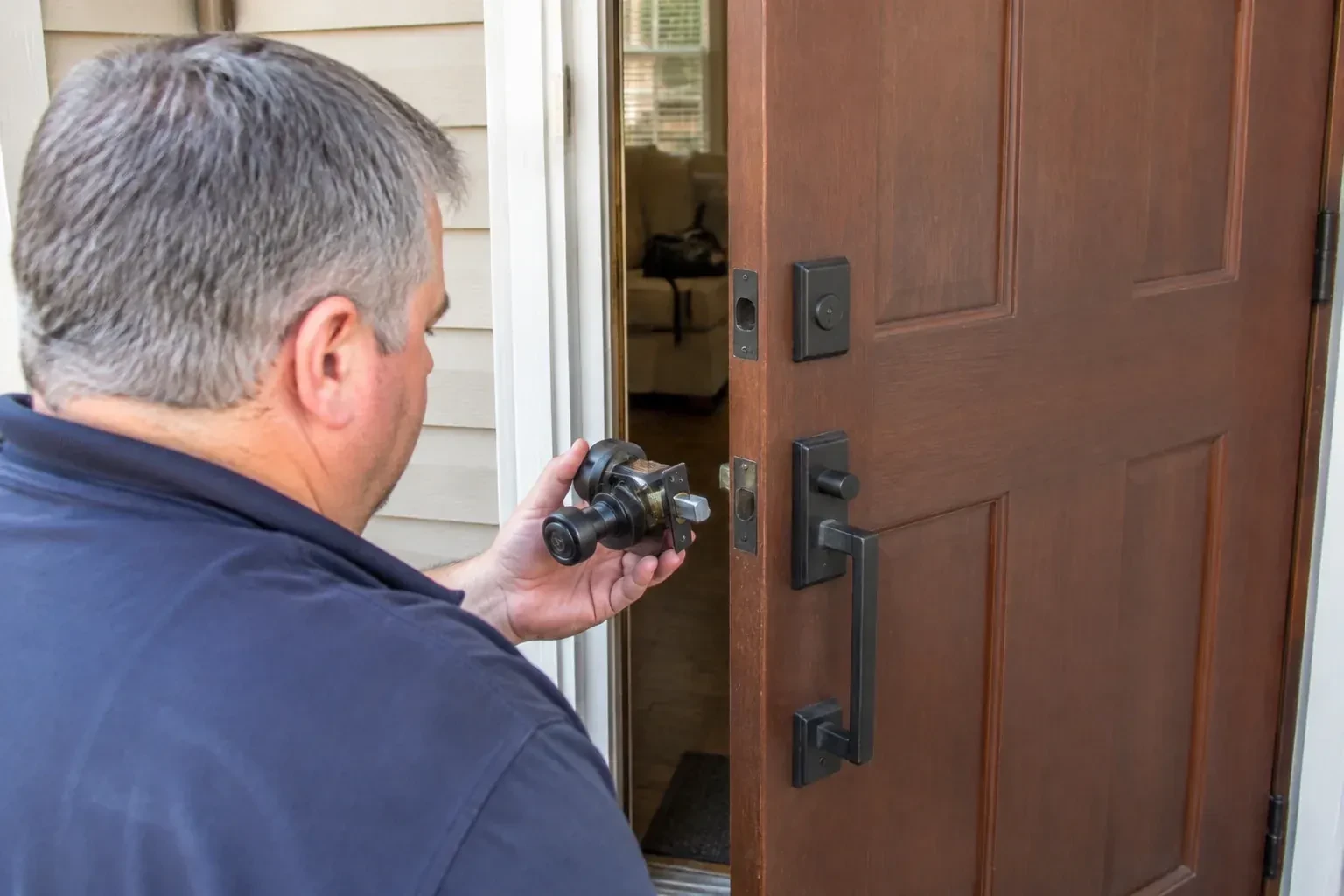
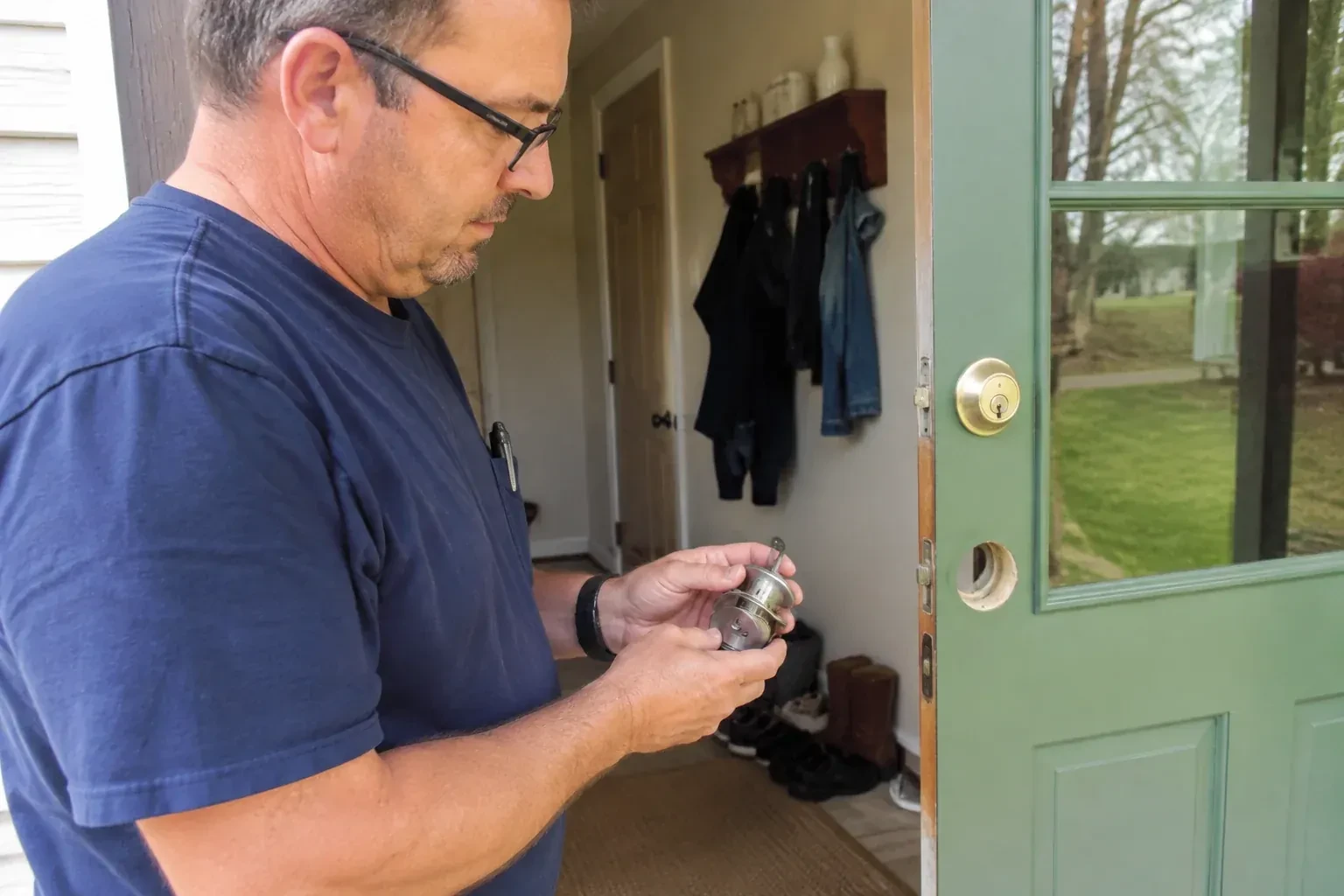
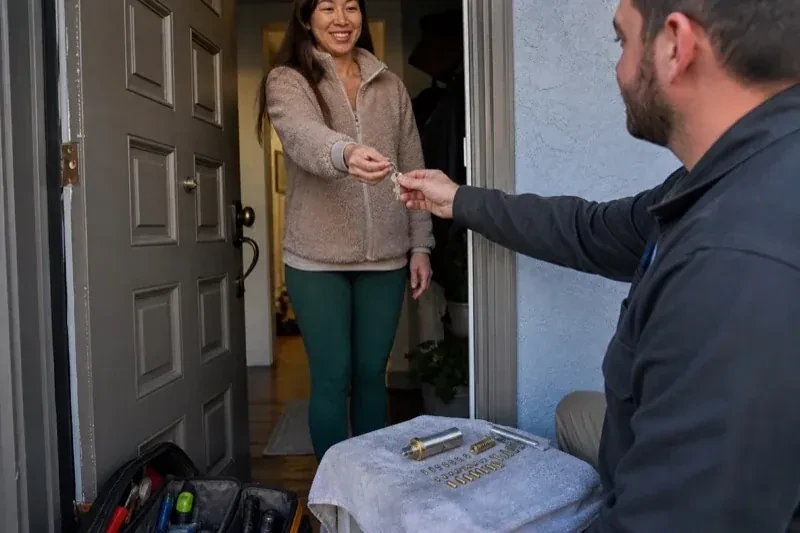
Nobody should have to nod along while a stranger works on their front door. We show you the worn pins, the misaligned strike or the failed spring, describe the choices in ordinary words, and let you decide what happens next.
Nobody should have to nod along while a stranger works on their front door. We show you the worn pins, the misaligned strike or the failed spring, describe the choices in ordinary words, and let you decide what happens next.
Locks, keys and doors, done properly.
Plenty of people call us slightly embarrassed, as if losing a key or snapping one in the cold were a personal failing. It is not; brass wears, pockets have holes, and locks age. We would much rather you tell us exactly what happened, including the bit where you tried a screwdriver, because the true story tells us which tools to bring and how to put it right.
The key you reach for. The door you come home to. Good locksmith work begins with understanding how you use them.
31years in business
24/7open every day
No surprises on the doorstep. What we described on the phone is what we plan to do. If the door tells us something different when we see it, we stop and talk before going further.
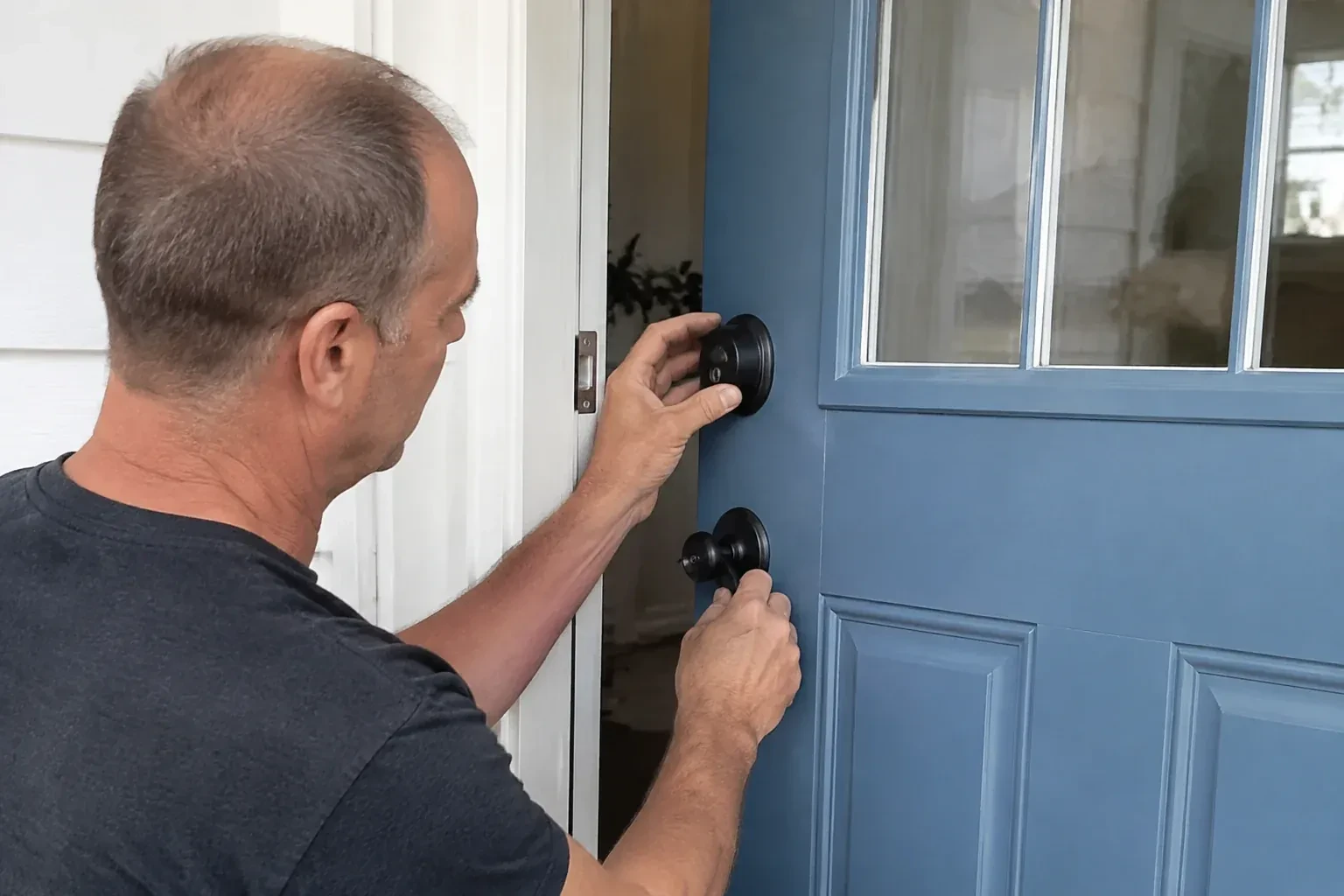
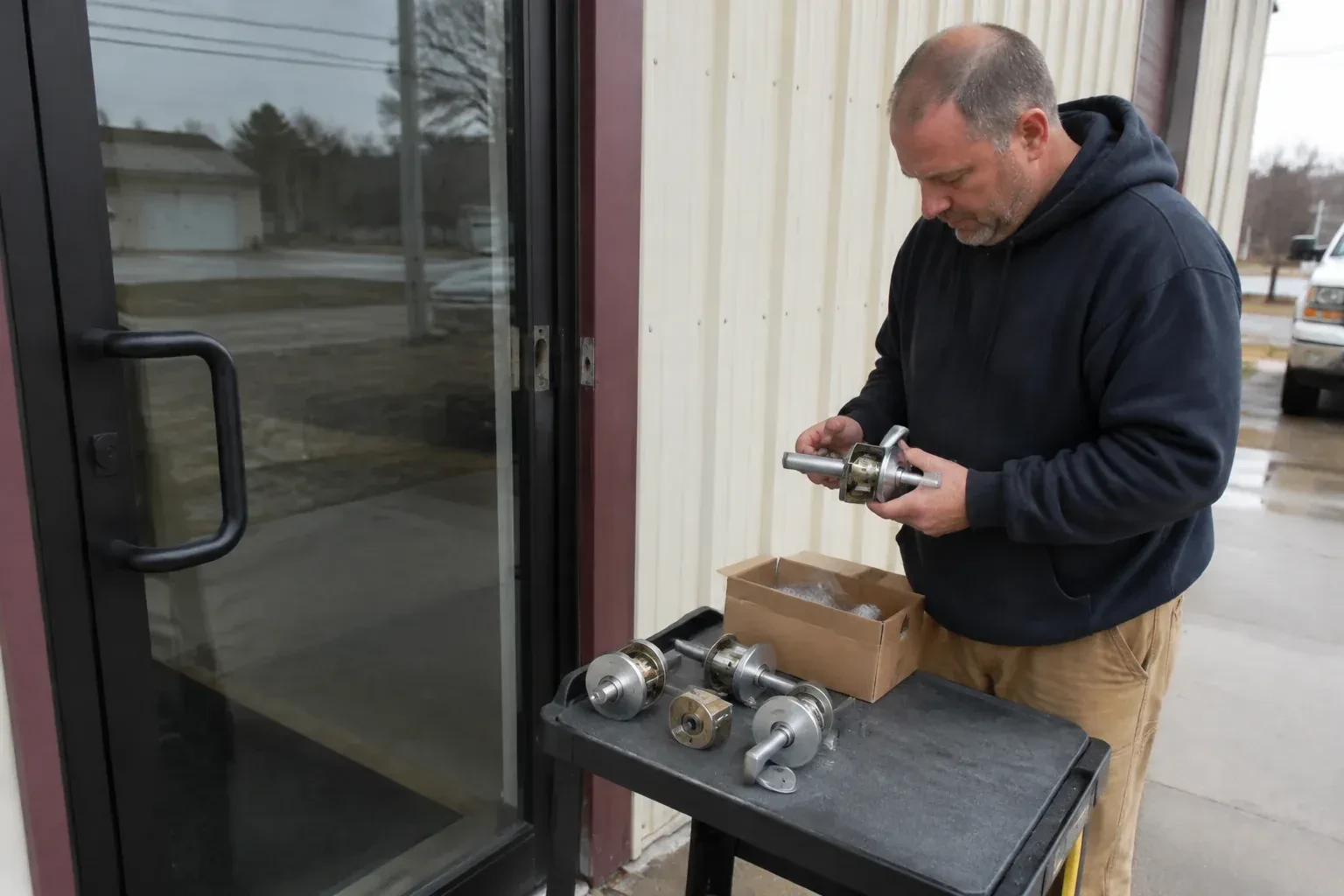
Helping you choose well. Hardware ranges from basic to heavy-duty and simple to electronic. We explain the differences that actually matter for your door and leave the choice with you.
Neat work, neatly finished. Holes drilled cleanly, hardware aligned, nothing crooked or forced. A lock should look like it belongs on the door, and we take the time to make sure it does.
We would rather you knew what a service involves before you book it. That is why every page below walks through the checks, the work and what you are left with afterwards, in plain language, with no assumption that you already know the names of the parts.
One key for the front door, another for the back, a third for the side door into the garage, and a fourth for the shed. You stand on the step every evening flipping through them in the dark, trying each one until something turns.
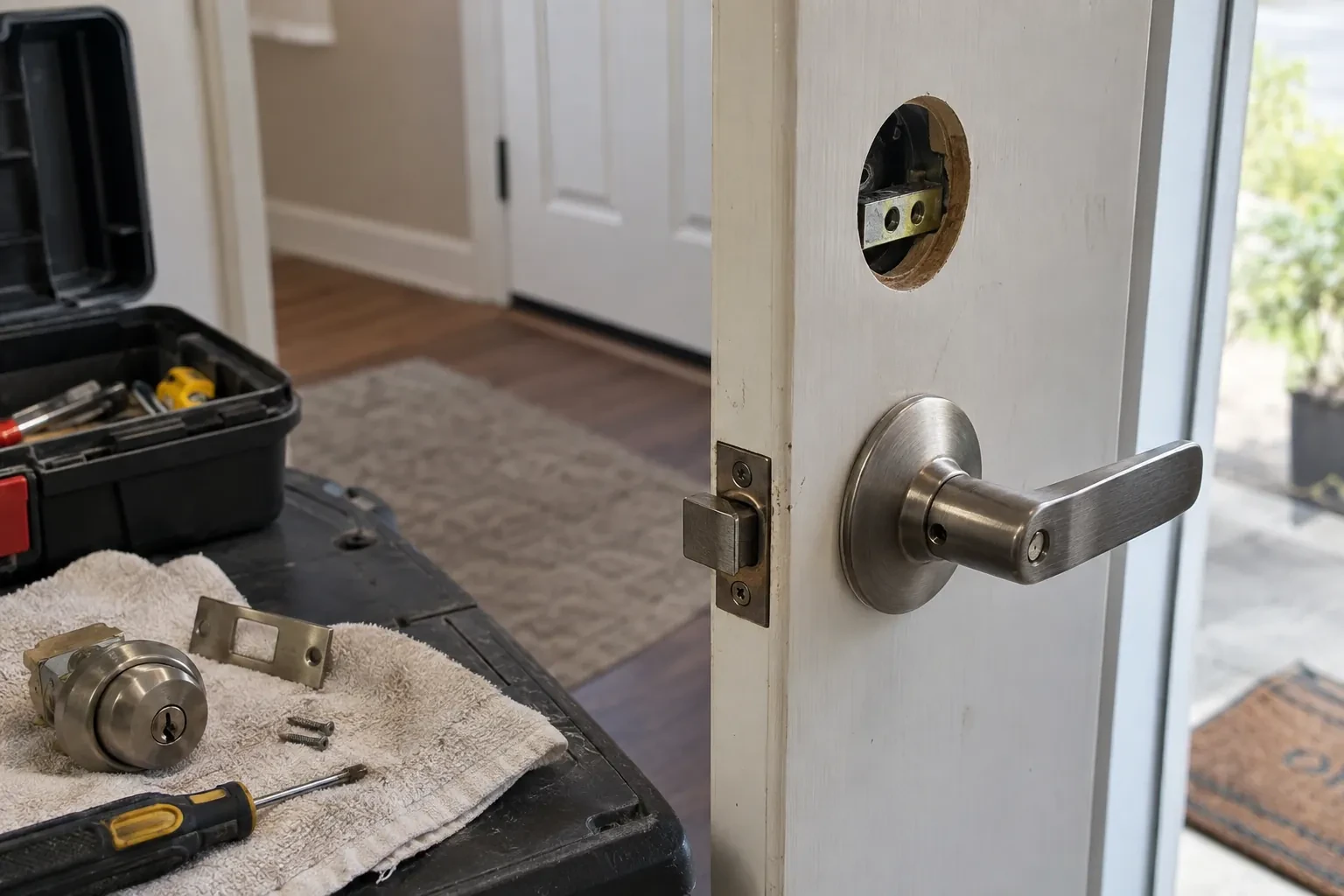
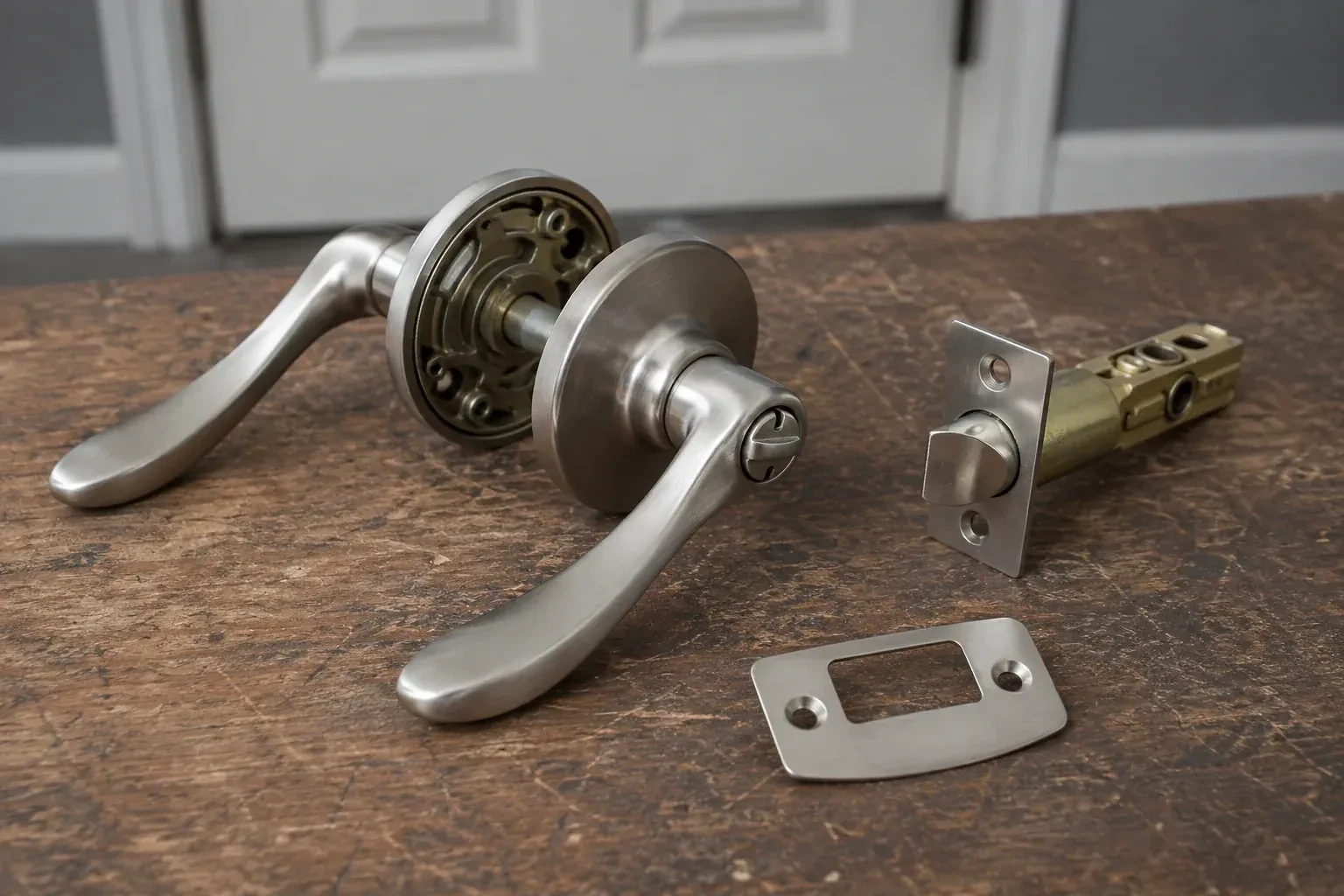
The lever on the side door droops toward the floor and rattles in your hand. The latch no longer springs back on its own, so the door drifts open behind you unless you pull it shut and check it twice.
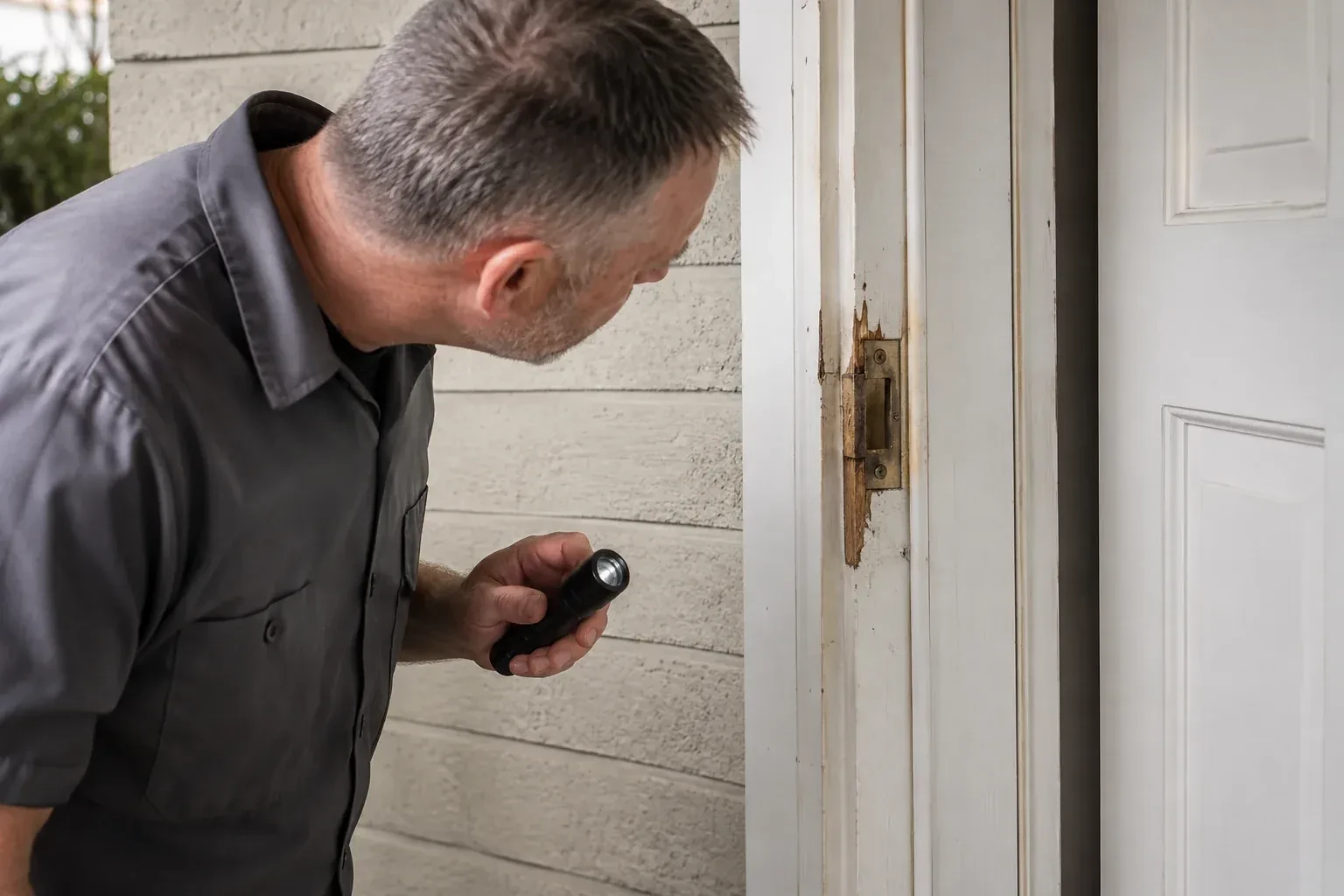
After the attempted break-in the police officer pointed at your door and said the strike plate was held by two short screws. Nobody got in, but you have looked at that door differently every evening since.
We describe cylinders by what they resist: picking, bumping, drilling, wrenching and pulling. We describe key systems by who can order a copy. Together those two descriptions tell you what a high security upgrade actually changes for your door.
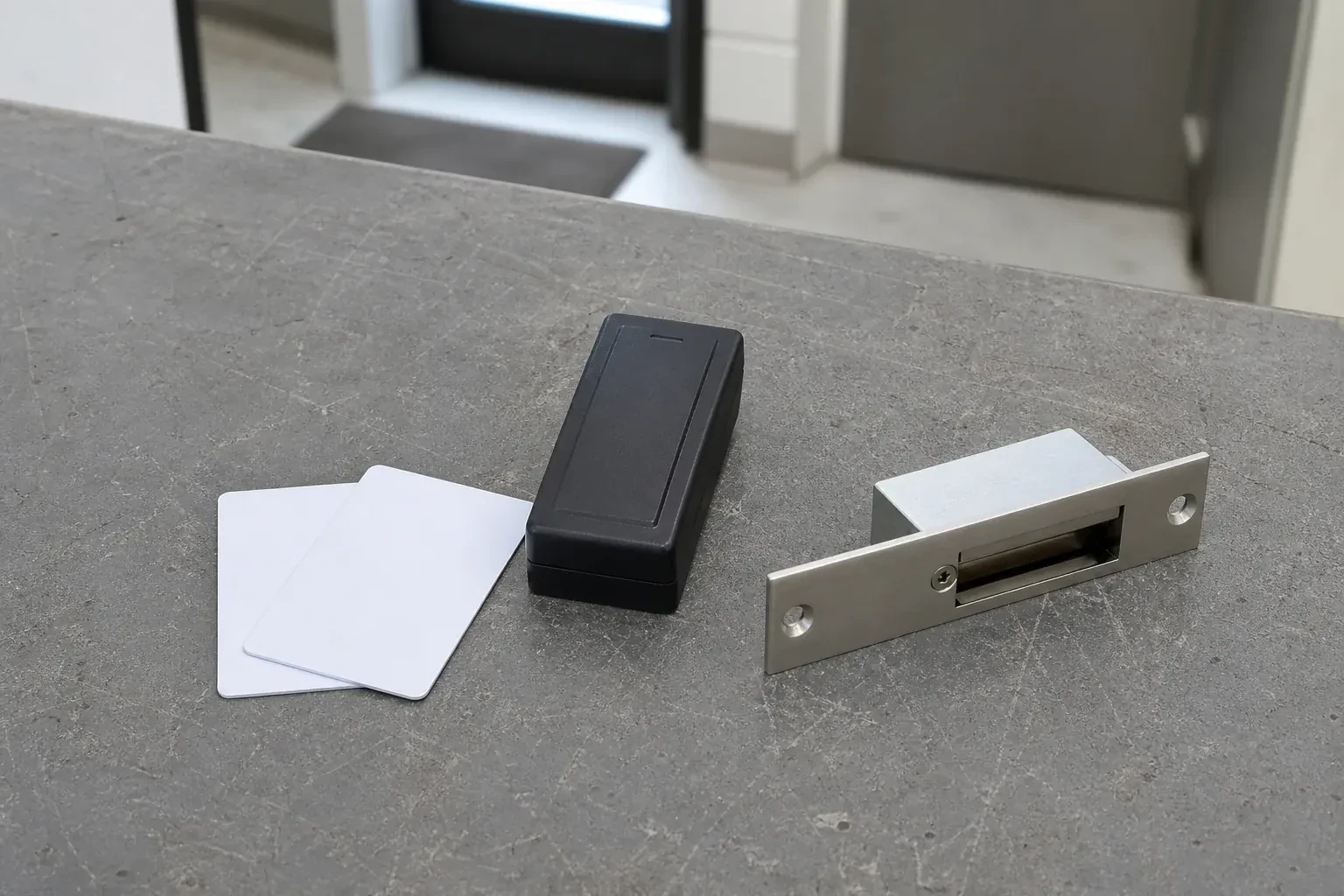
Access control does not have to mean a control room. For a small office it can be a single keypad on the staff door with a code that changes whenever a staff member moves on. These pages start small and scale up with the building.
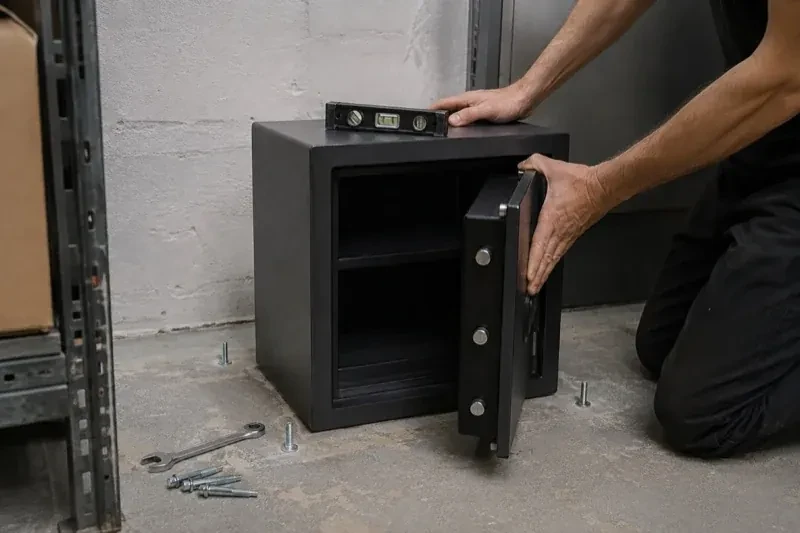
A community group counts the weekend's raffle and bake-sale cash on a kitchen table, then carries it home in a tote bag until the bank opens Monday, because there has never been anywhere safer to leave it.
Which fix fits?
Your condo suite lock is builder's grade and feels flimsy.
WhyThe cylinder is re-pinned so only your new keys work; any building access key is preserved.
Head office wants every branch keyed alike under one system, and half the locations are still running whatever lockset the original contractor happened to install years ago.
WhyWhere a home lockout is mostly about getting one door open again, a commercial lock replacement is mostly a decision about a system: how this one door's hardware fits into every other lock the business already manages.
Someone pushed the privacy button on the bathroom door and pulled it shut behind them, leaving the room locked and empty.
You signed the lease on the unit last week and the landlord handed over possession, but the previous tenant's locks are still on both doors and no keys came with them.
About 49% of homes in Kitchener were built in 1980 or earlier, according to the 2021 Census.
In an area of varied housing ages, rekeying is the one job that fits every door. Old cylinders and new ones both take fresh pins, so a household moving into either kind of home can start with keys that nobody else holds.
Single-detached houses make up about 48% of homes in Kitchener (2021 Census).
Where housing types are mixed, the same lost-key call means different things. In a house, rekey every door on the property. In an apartment, rekey the suite door and check with management about the common entrance. The locksmith asks which it is first.
This is more common than people expect, especially in older houses and at the change of seasons. A door that has swollen, sagged on its hinges or been pushed out of square by thick weatherstripping can pin the bolt against the strike so it will not draw back even with the right key. The locksmith relieves the pressure to free the bolt, then adjusts the strike, hinges or seal so the door closes and locks without a shoulder.
What is the difference between rekeying and replacing a lock?
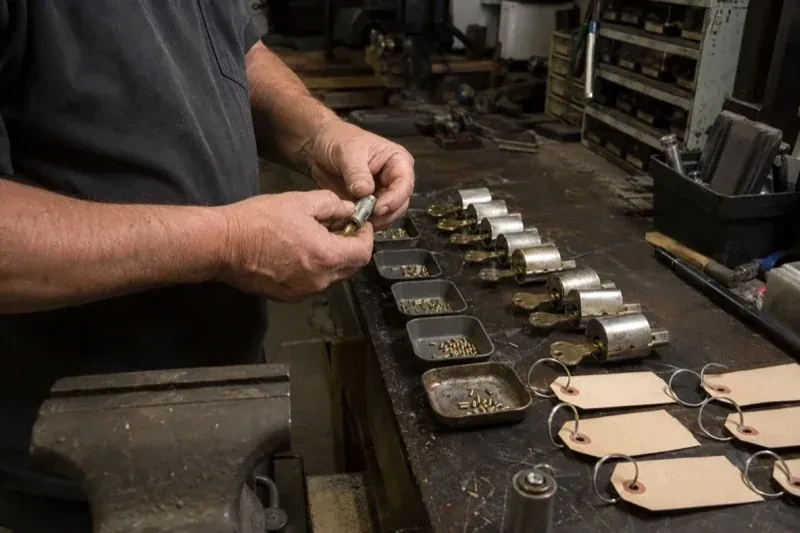
Rekeying keeps the lock you have and changes only the pins inside the cylinder so a new key operates it and the old one no longer does. It suits hardware that is in good shape and simply needs a fresh key. Replacing swaps the whole lock or cylinder for new hardware, which makes sense when the existing lock is worn, damaged, of low grade, or when you want a different style or a keypad. Either can be done during a lockout visit.
Can you also open a storm door, garage side door or backyard gate?
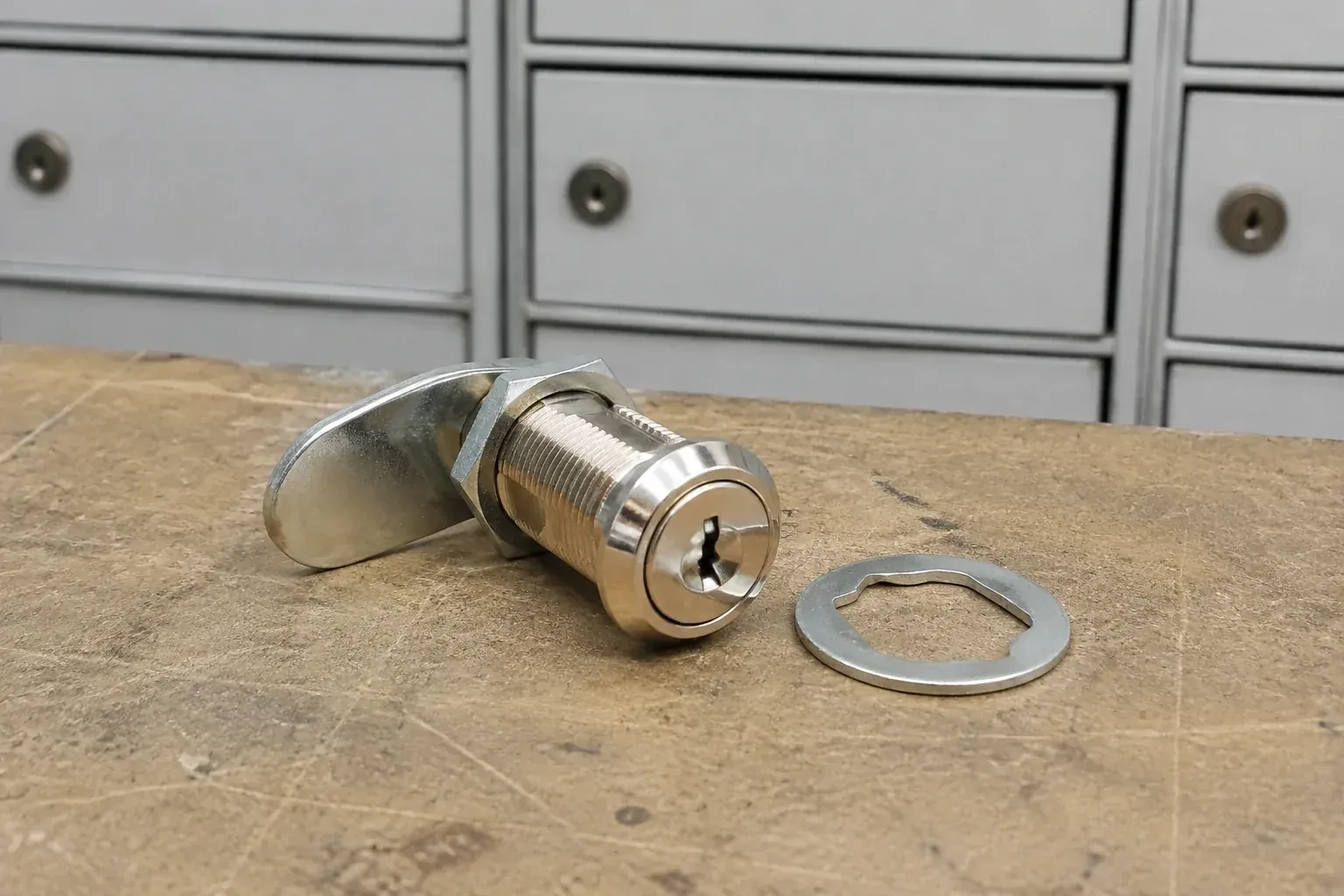
Yes. The same skills apply to any residential lock: a storm door that self-latched on the porch, the man-door into the garage, a shed, a gate with a padlock or a keyed latch, and a mailbox or storage locker in a condo building. Tell the locksmith about every opening involved so the right tools are in the van. Several small locks opened in one visit is common, especially after a move when keys were never handed over.
Why does the locksmith care so much about the strike plate?
Because that is where a kicked door fails. The bolt is strong, but it sits in a pocket in the jamb held by a thin plate and short screws, and a boot splits the wood around it. A reinforced strike or box strike fastened with three-inch screws into the wall framing spreads the blow along the frame. It is the least visible part of the upgrade and often the one that does the most.
Request a visit
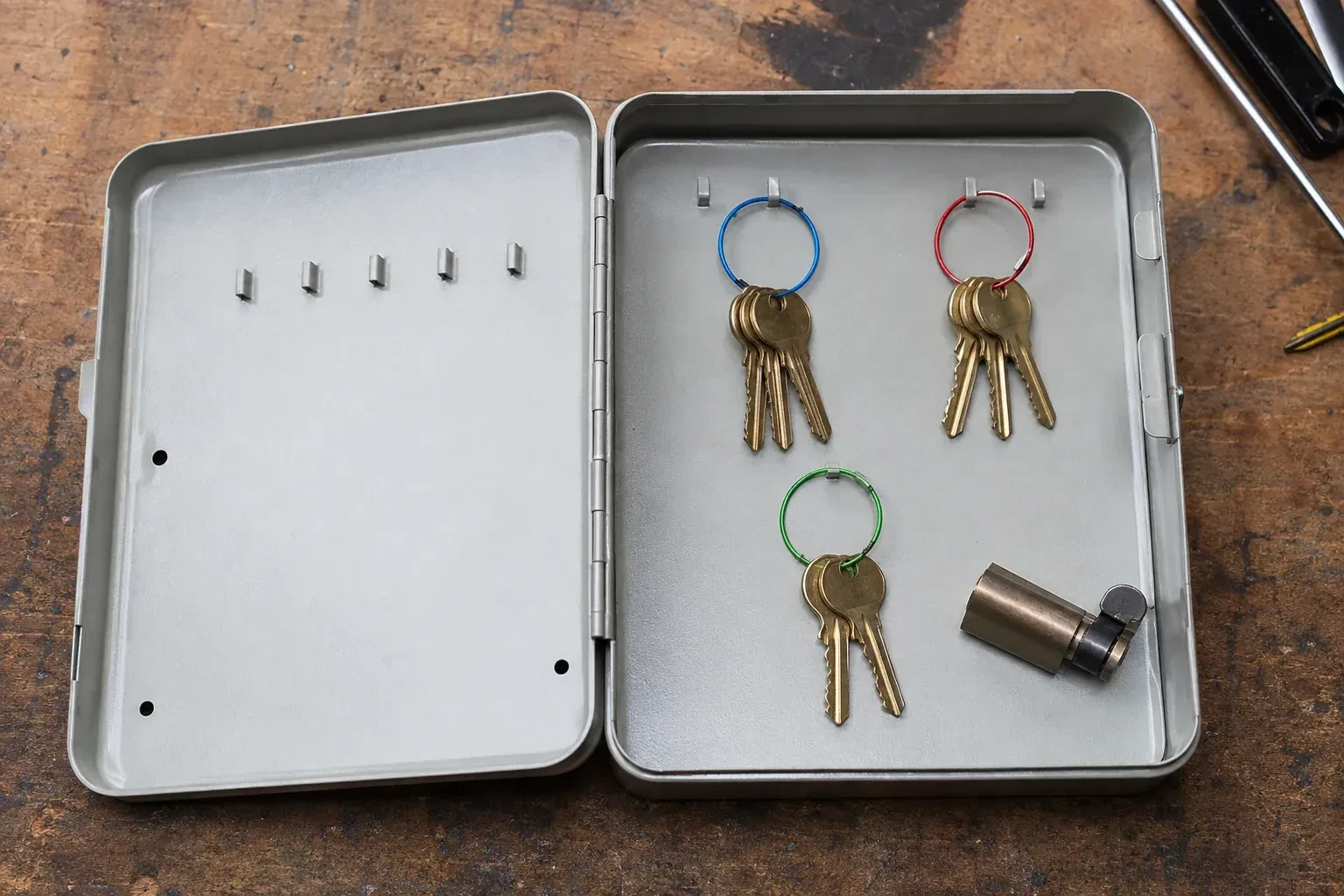
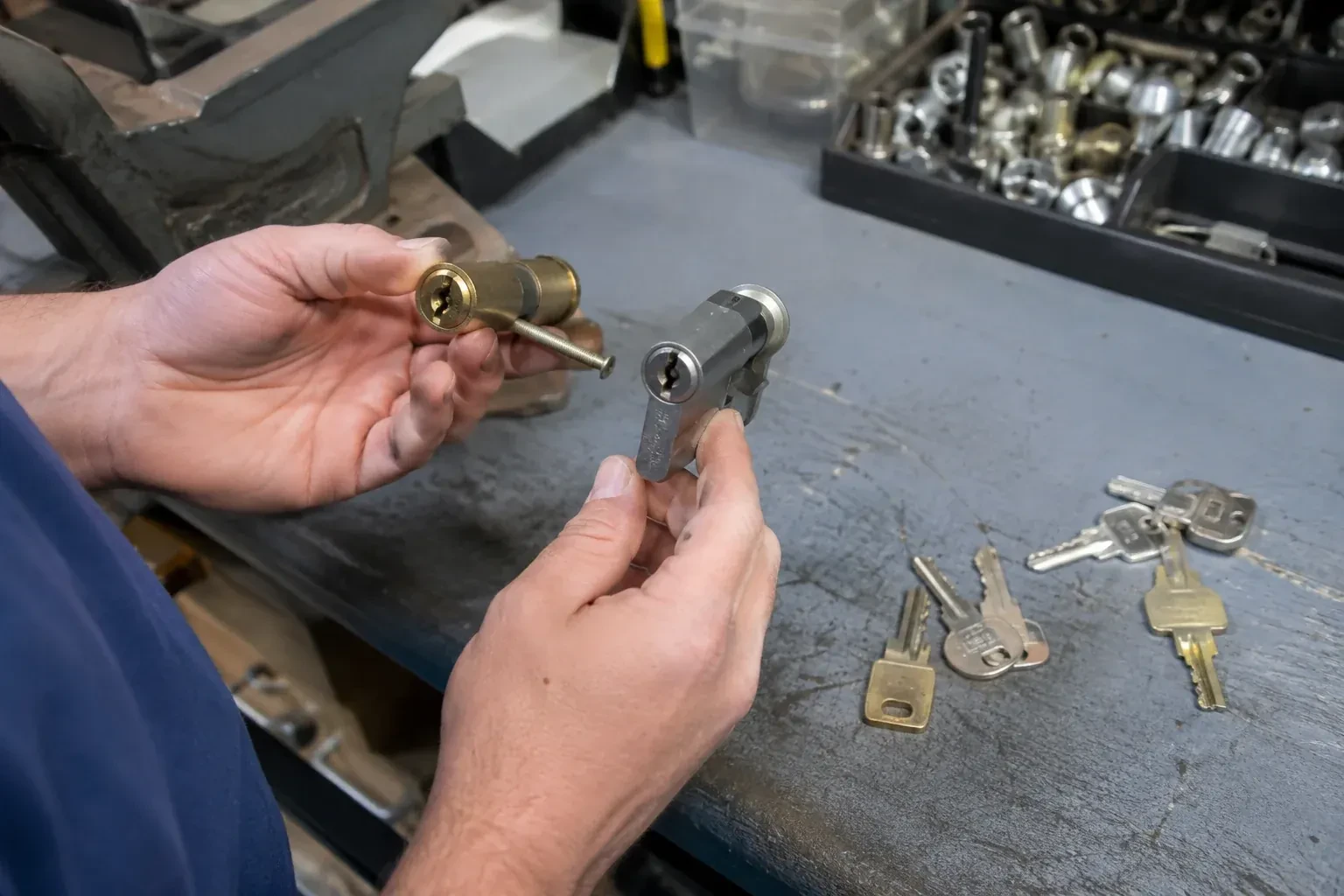
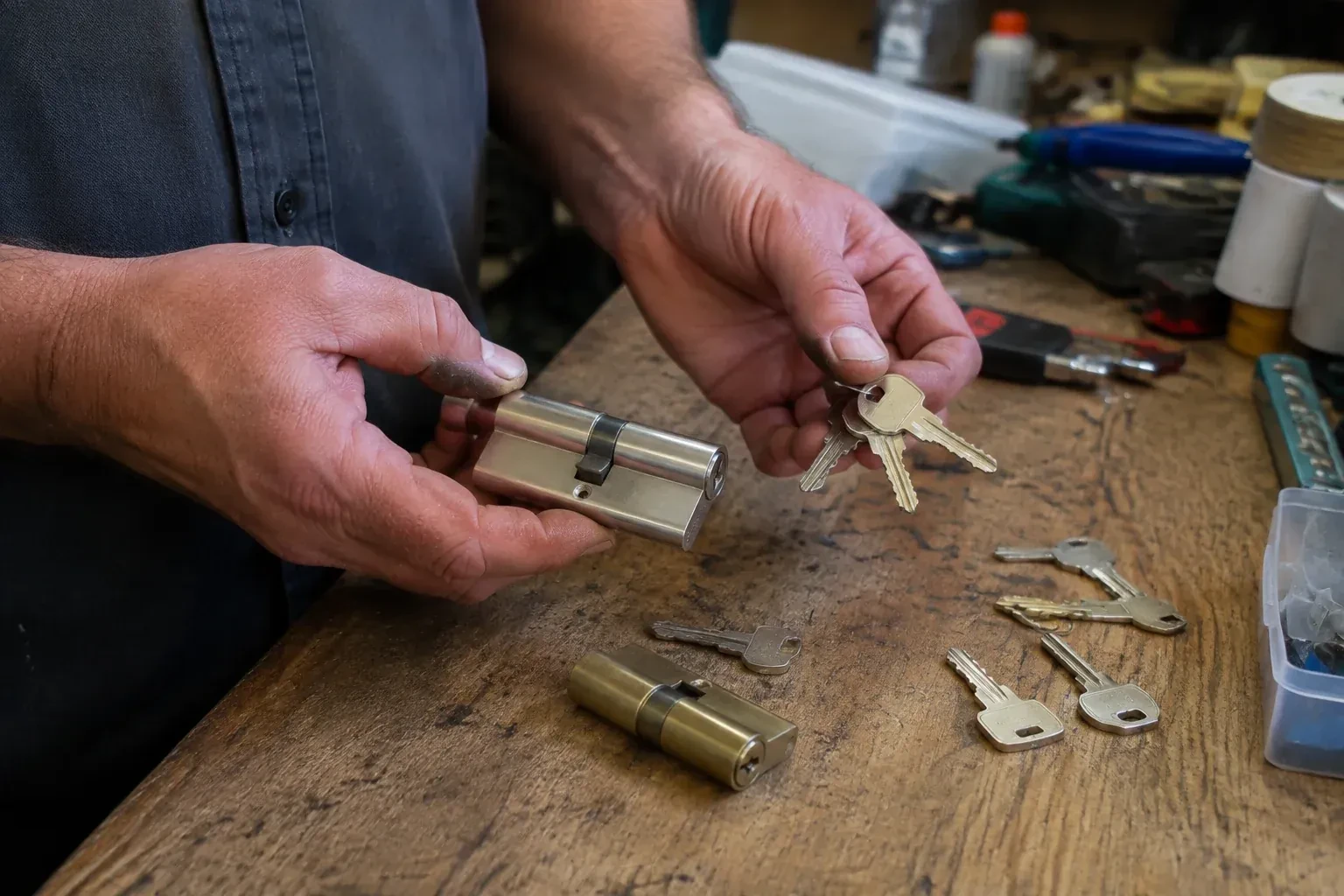
Rekeying is our favourite answer in Kitchener because it keeps good hardware in service. The lock stays, the pins change, the old keys stop working and the new ones are cut on the spot. It suits a move, a lost key or a staff change, costs less than replacement, and leaves the door looking exactly as it did.