High security
High Security Locks
We describe cylinders by what they resist: picking, bumping, drilling, wrenching and pulling. We describe key systems by who can order a copy. Together those two descriptions tell you what a high security upgrade actually changes for your door.
Which one do I need?
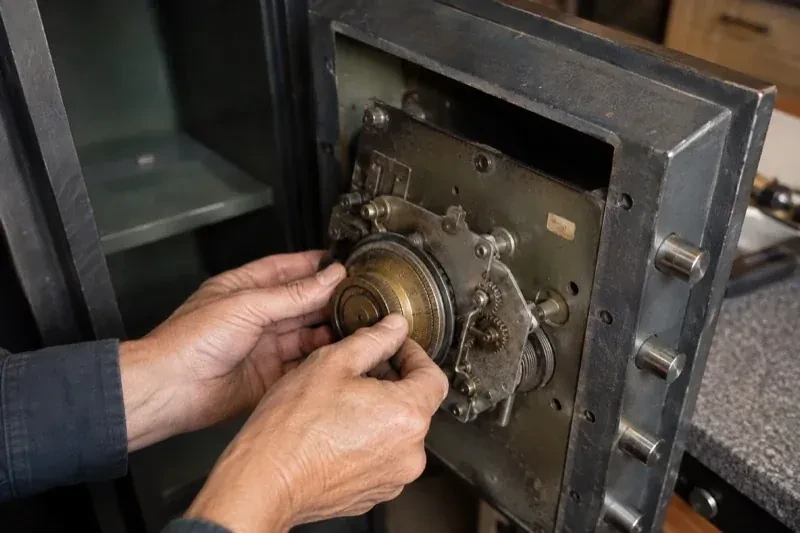
- A customer's rifle safe at the range has a dial that simply will not respond to the combination written on the sales receipt from years ago.Safe Opening & Combination Change
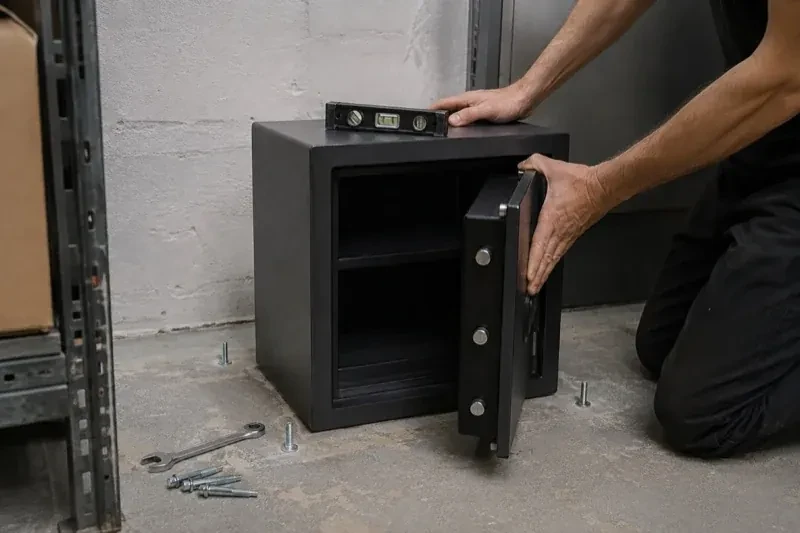
- A community group counts the weekend's raffle and bake-sale cash on a kitchen table, then carries it home in a tote bag until the bank opens Monday, because there has never been anywhere safer to leave it.Safe Installation & Servicing
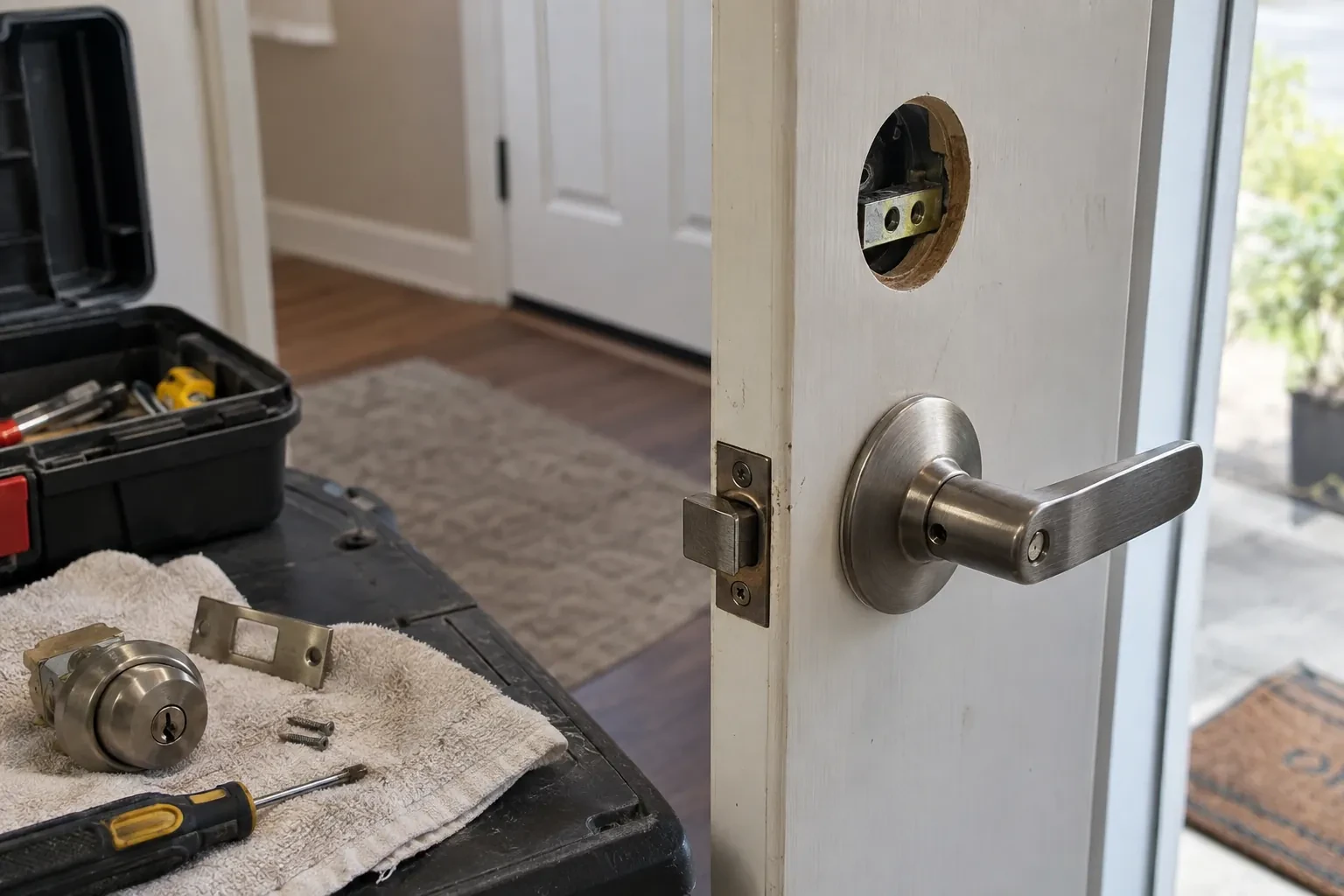
- You run a home office with client files and equipment, and your insurer has asked what kind of lock is on the door.High Security Locks
High Security Locks
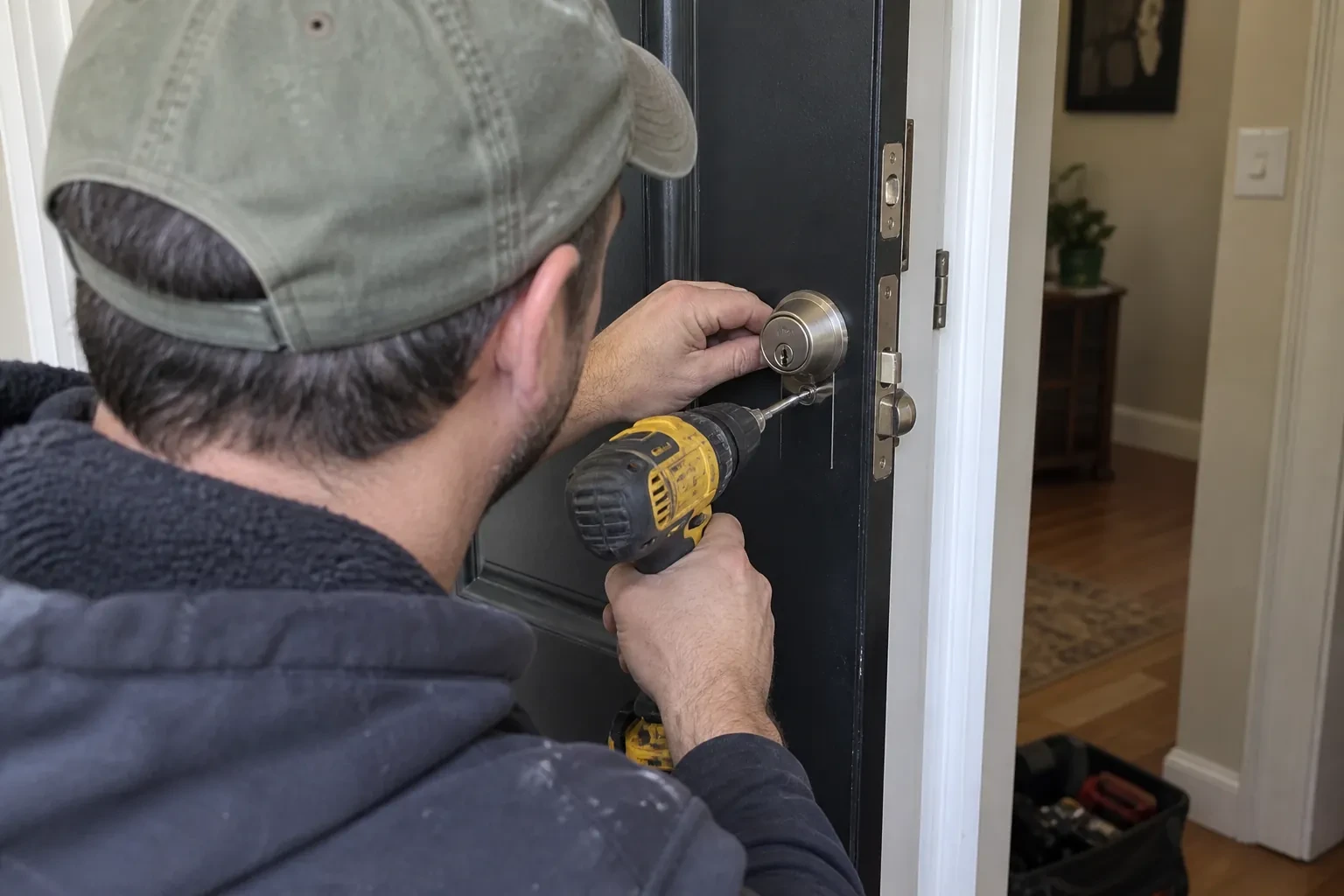
Cylinders and deadbolts built to resist picking, bumping and drilling, keys that cannot be copied without authorisation, and safes opened or installed.
Safe Opening & Combination Change
Reading the safe before touching it
Every safe carries clues about what is inside its lock. A manufacturer's data plate, usually on the door or inside the frame, often names the brand, model and sometimes the lock's own security rating. The dial style, the keypad's shape and buttons, and whether a key cylinder sits alongside the combination lock all narrow down the lock family before a single tool is used.
Older safes without a legible plate are identified from the case shape, the handle style and the dial ring instead. Getting this identification right decides which manipulation technique, which reset procedure or which manufacturer tool applies, and it is the difference between a clean opening and a guess.