Lockouts · Kitchener
Home Lockout Service
After a week of humid weather the back door has swollen in its frame.
In plain words
Winter creates its own kind of lockout. Meltwater runs into a keyway during the day and freezes overnight, a weather-exposed cylinder stiffens in the cold, and a door that shrank in January may drop its bolt out of line with the strike. A home lockout visit in these conditions is as much about the door as the lock: the locksmith thaws and frees the cylinder without forcing it, checks whether the bolt or the frame is the real obstacle, and opens the door in a way that leaves the hardware sound. A little dry lubricant and a tube of de-icer usually finish the job.
How the visit goesSomeone pushed the privacy button on the bathroom door and pulled it shut behind them, leaving the room locked and empty. The little emergency slot on the outside is stripped, and the tiny release key that came with the handle disappeared years ago.
Home Lockout Service
How the visit goes
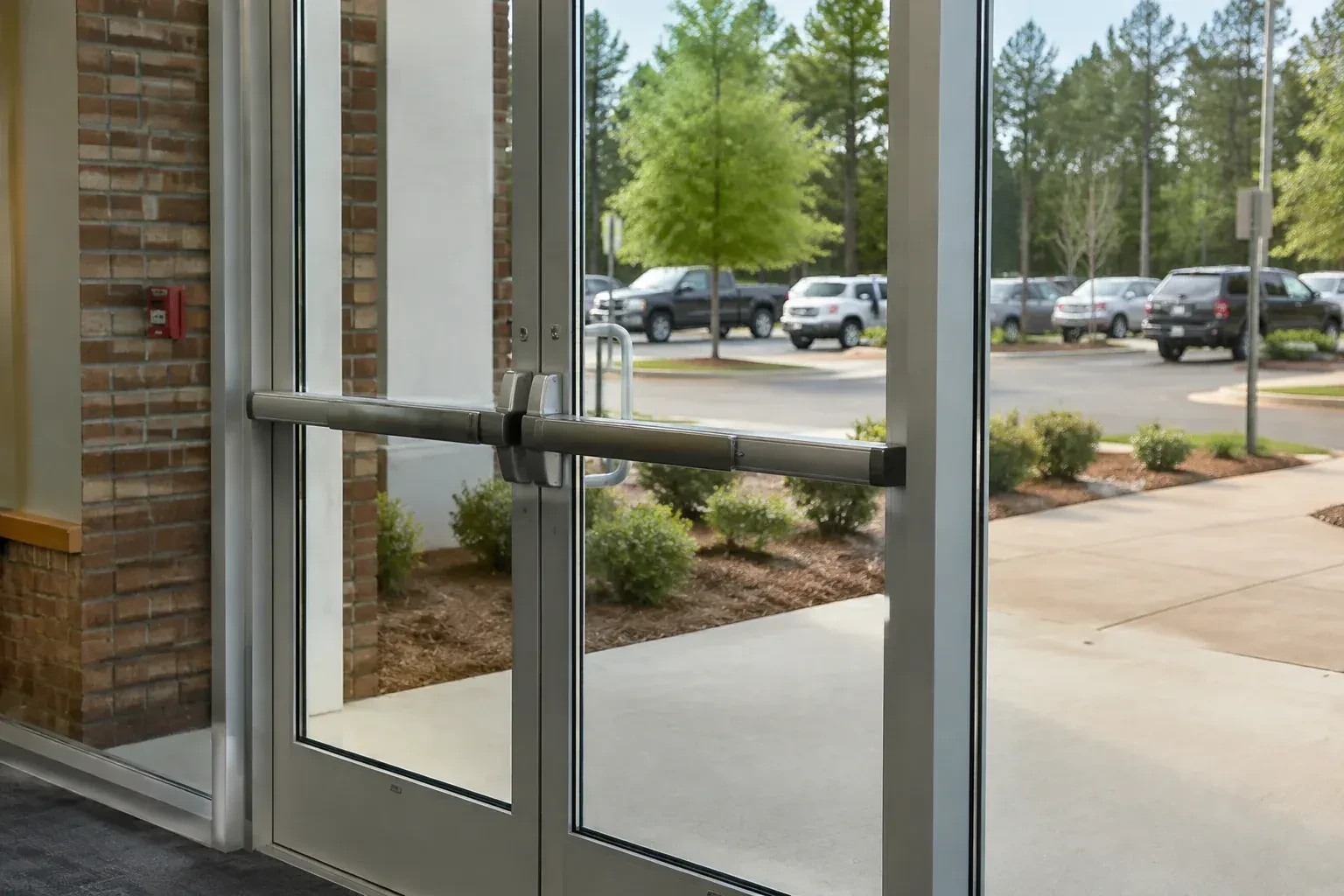
Confirming you belong at the door
Before any tool comes out, the locksmith confirms that the person asking for entry has the right to it. Photo identification with the address on it is the simplest route. When the card shows an old address, a lease, a property tax notice, a utility bill on your phone or a call to the property manager fills the gap. If everything that proves it is inside, the locksmith notes that and completes the check once the door is open, before leaving. This is a courtesy to every household on the street as much as to you, and good locksmiths treat it as the first step of the job rather than an obstacle.
Working a deadbolt open
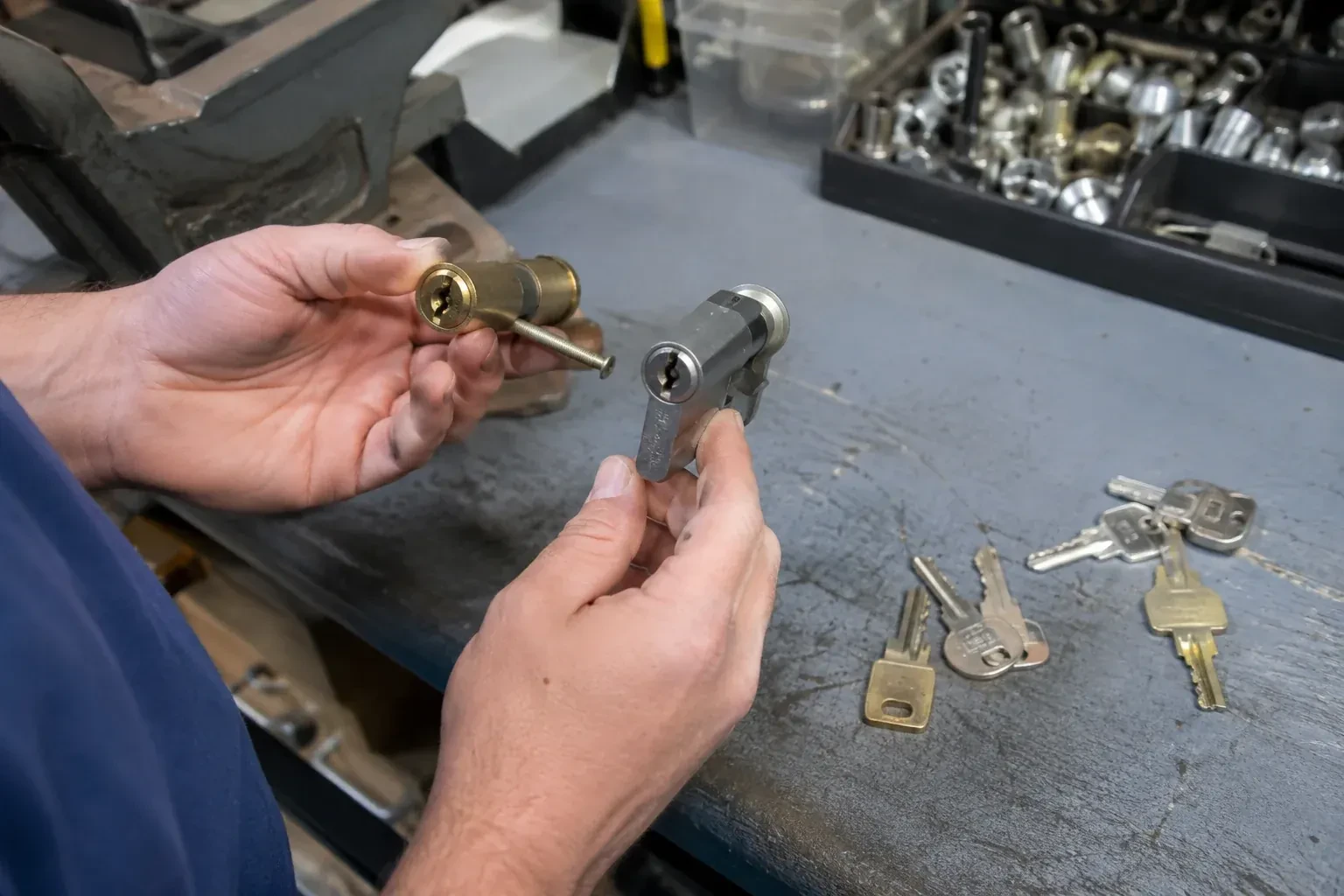
A thrown deadbolt has no bevel to exploit, so the cylinder itself has to be persuaded. The locksmith applies light rotational tension to the plug and sets each pin to the shear line, or reads the pin heights with a decoder and cuts a key that matches. Some cylinders let the plug turn one way only; a plug spinner flicks it past the point where the tailpiece engages so the bolt can retract. Security pins slow the process rather than stop it. The bolt draws back, the door opens, and the cylinder is cycled with your key afterwards to confirm nothing inside was disturbed by the work.
A clear record of what was done
You should know exactly what happened to your door, so the visit closes with a plain account: which lock was opened, by what method, whether any cylinder was drilled and replaced, what hardware was fitted, how many keys were cut and whether other doors were rekeyed to match. For tenants this note is useful to pass to a landlord or building manager, since the rules about changing locks in a rental expect both sides to know what hardware is on the door. For owners it is a handy line in the home file for the next time someone asks which key opens what. It also makes any later service a simpler conversation.
Home Lockout Service
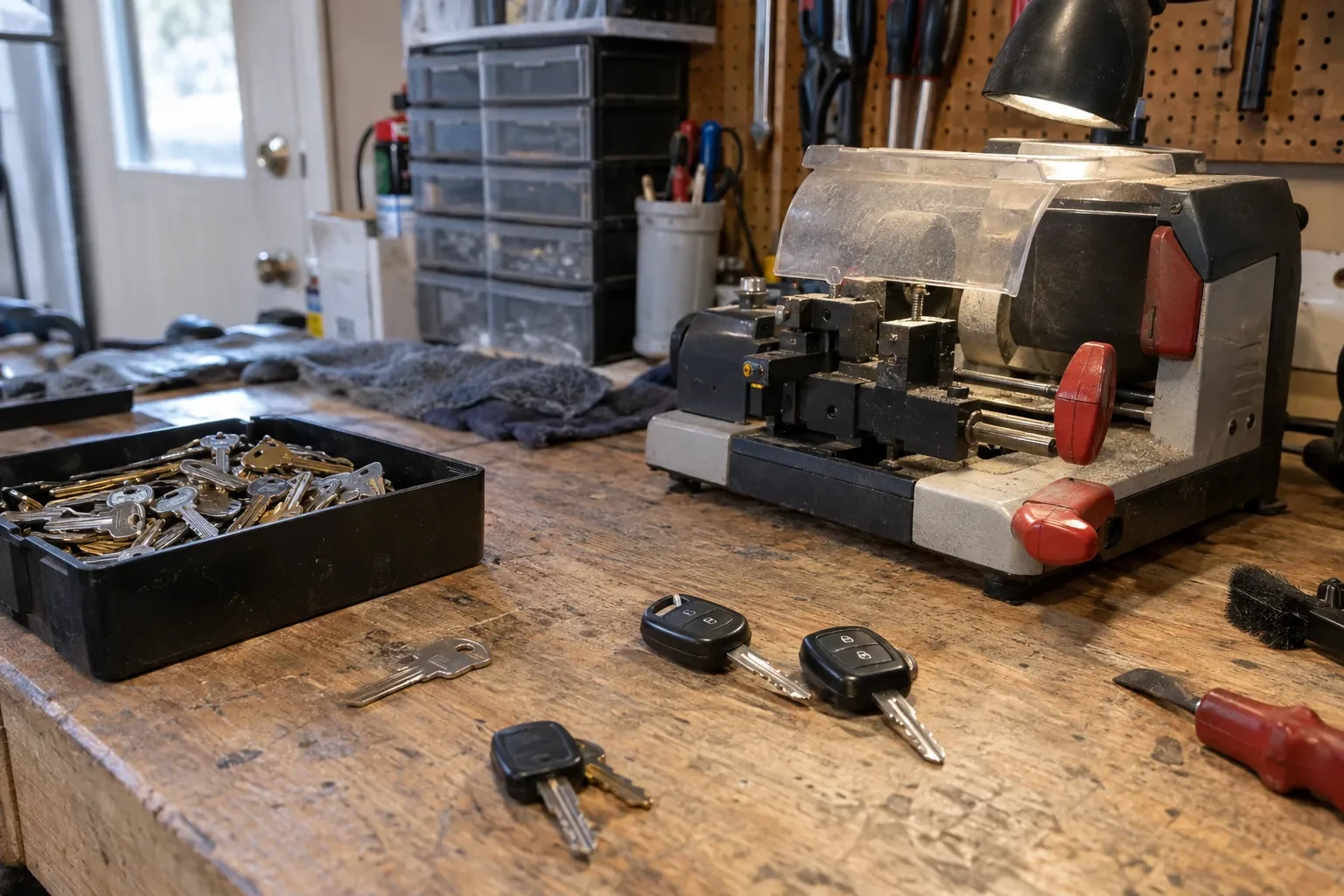
In the van
Broken key extractors
Cylinder decoder
Strike plate and long hinge screws
Pick and tension tools
Plug spinner
Home Lockout Service
What affects the quote
Whether the key is inside or lost
If the key is inside, the visit ends when the door opens. If it was lost out in the world, rekeying and fresh keys usually follow, and that is separate work priced on its own.
Number of new keys cut
Keys cut on site are counted into the quote individually. Two for a couple, five for a family with teenagers and a dog walker: say how many you want and the total follows.
Restricted or high-security keyways
Security pins, sidebars and patented keyways take longer to open and, if replaced, cost more as hardware than a standard cylinder. Restricted keys also have to be cut from the system's records rather than duplicated.
What to have ready
- Which door are you locked out of, and what kind of lock is on it?
- Is the door swollen, sagging or hard to close even when it is unlocked?
- Has the lock been stiff, sticky or hard to turn in recent weeks?
Home Lockout Service: questions
QuestionsWhat if my wallet and every document are locked inside?
That is the most common version of a lockout, and there is a routine for it. Tell the locksmith on the phone so the plan is agreed before arrival. Often a neighbour can confirm you live there, a digital copy of a lease or bill is on your phone, or a property manager can vouch for you. Where none of that is available, the locksmith opens the door and completes the identification check with the documents inside before leaving.
What happens if my identification is not convincing enough on the spot?
The work pauses rather than proceeds, and the locksmith helps you find another route: a neighbour or building manager who can confirm you live there, a document on your phone, a family member who can bring paperwork, or completing the check inside after entry when the documents are behind the door. Verification protects you as much as anyone, because the same standard applies to whoever might one day claim to live at your address.
Can you get me in if my smart lock has died?
Yes, usually. Backup access on a keypad or app-controlled deadbolt depends on the model. Many carry small external terminals that wake the lock when a fresh nine-volt battery is touched to them, long enough to enter your code; some also keep a conventional keyed override behind a cover, which a locksmith can pick or decode like any other cylinder, while other current models have no cylinder at all and rely only on their own recovery method. Once inside, the batteries are replaced and your codes are checked.