Locksmith in Kitchener, OntarioRekeying forhomes and businesses in Kitchener
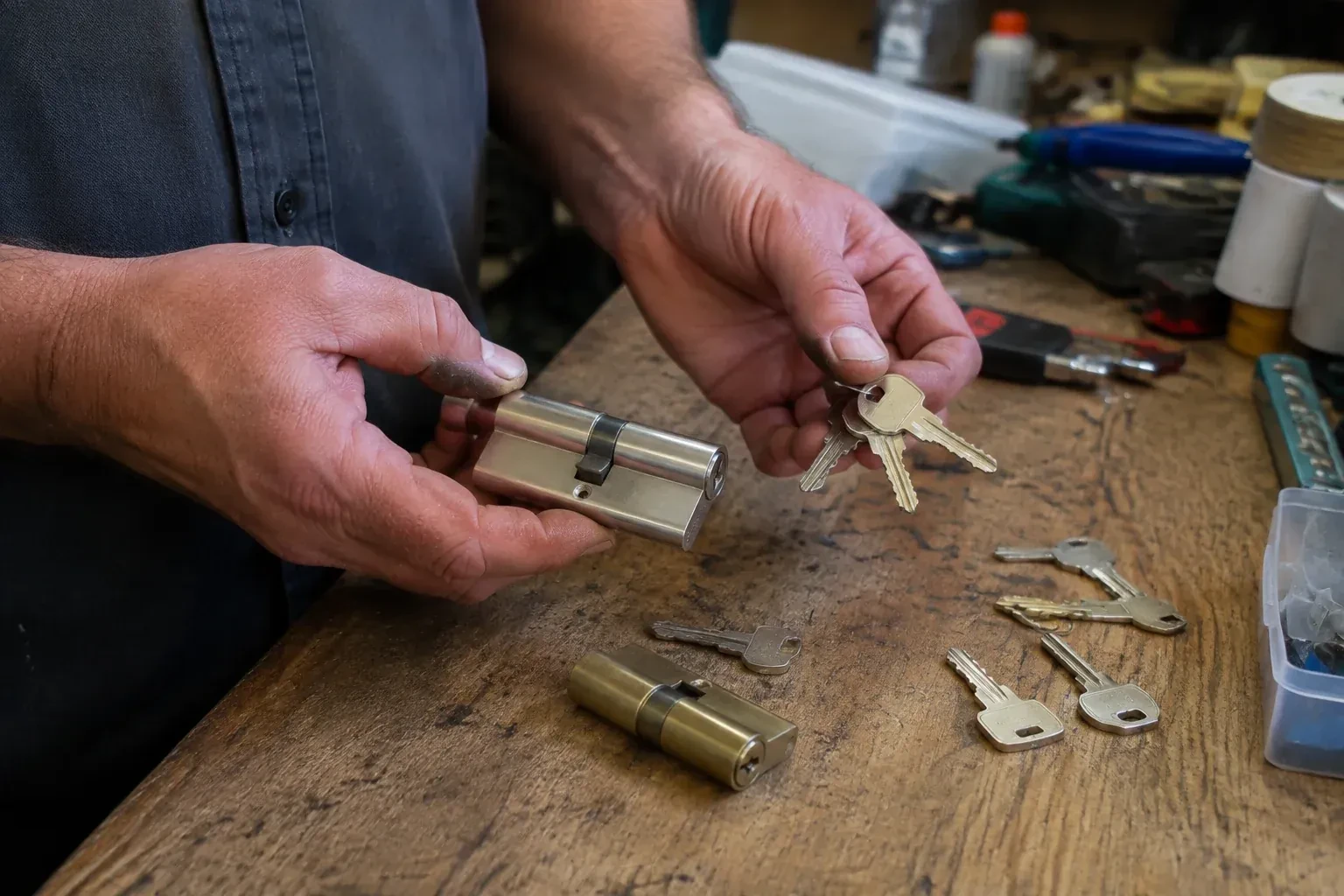
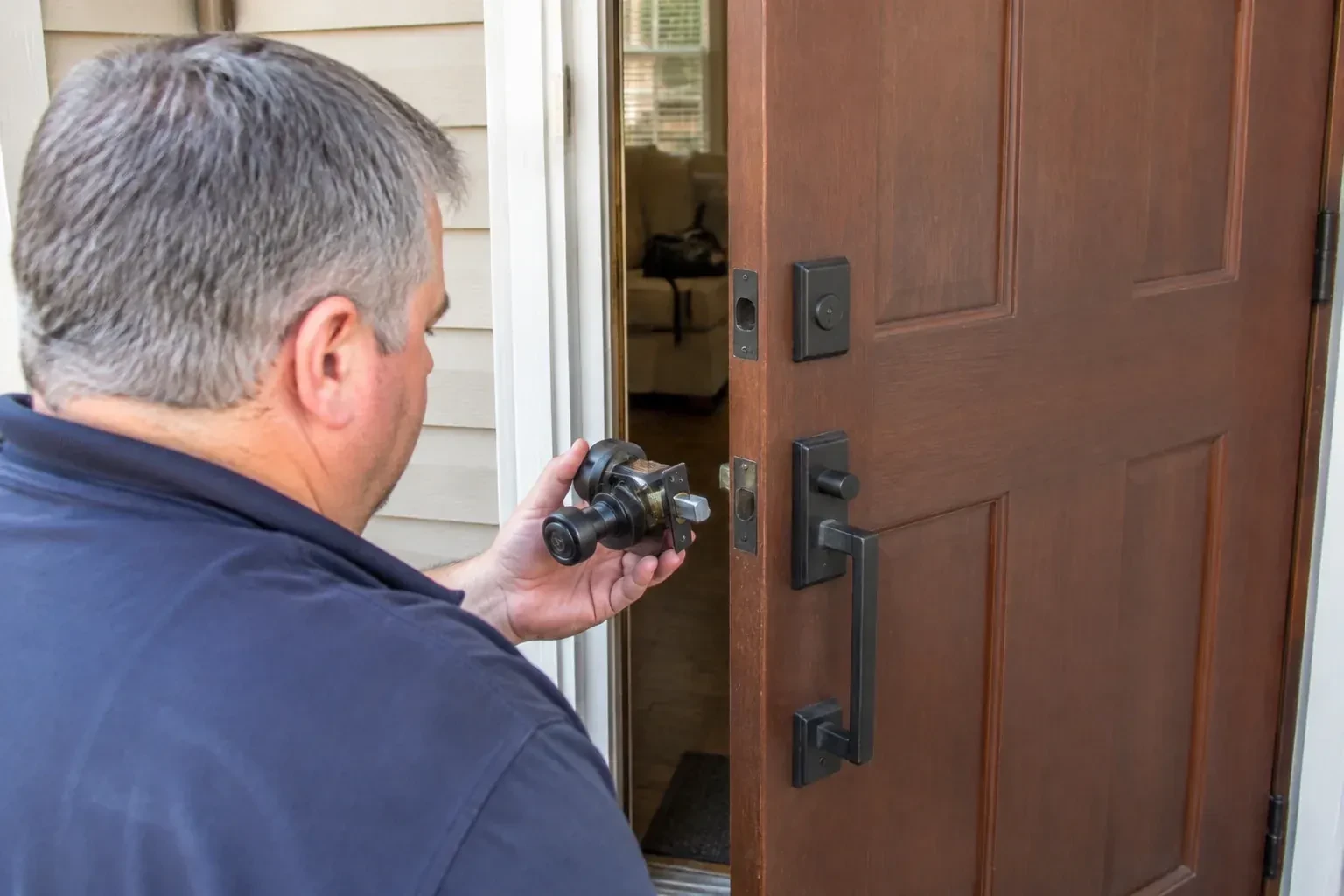
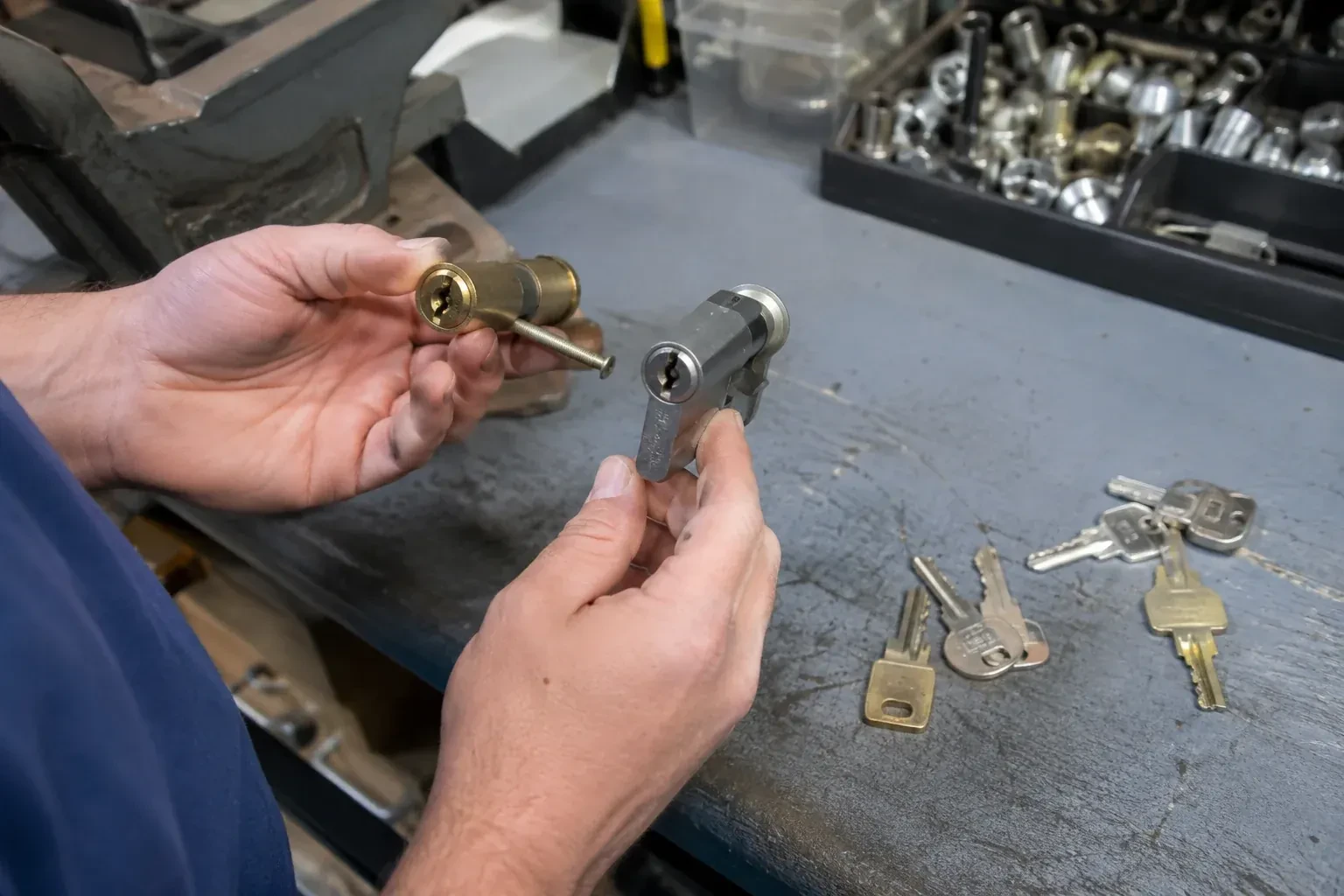
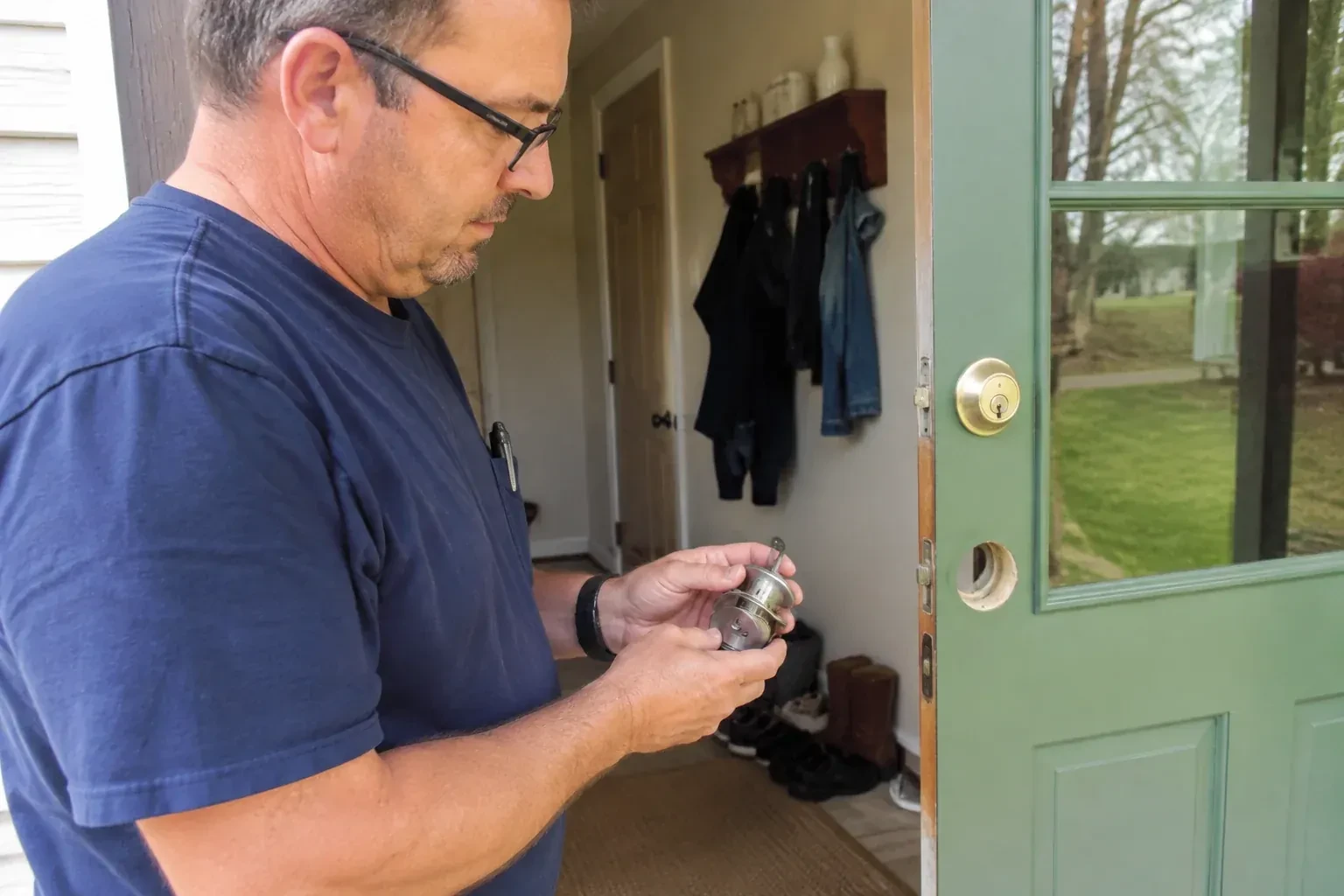
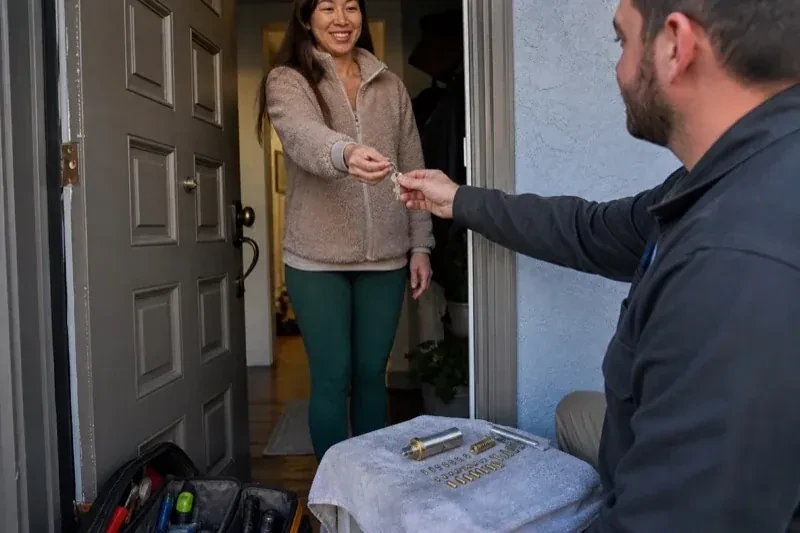
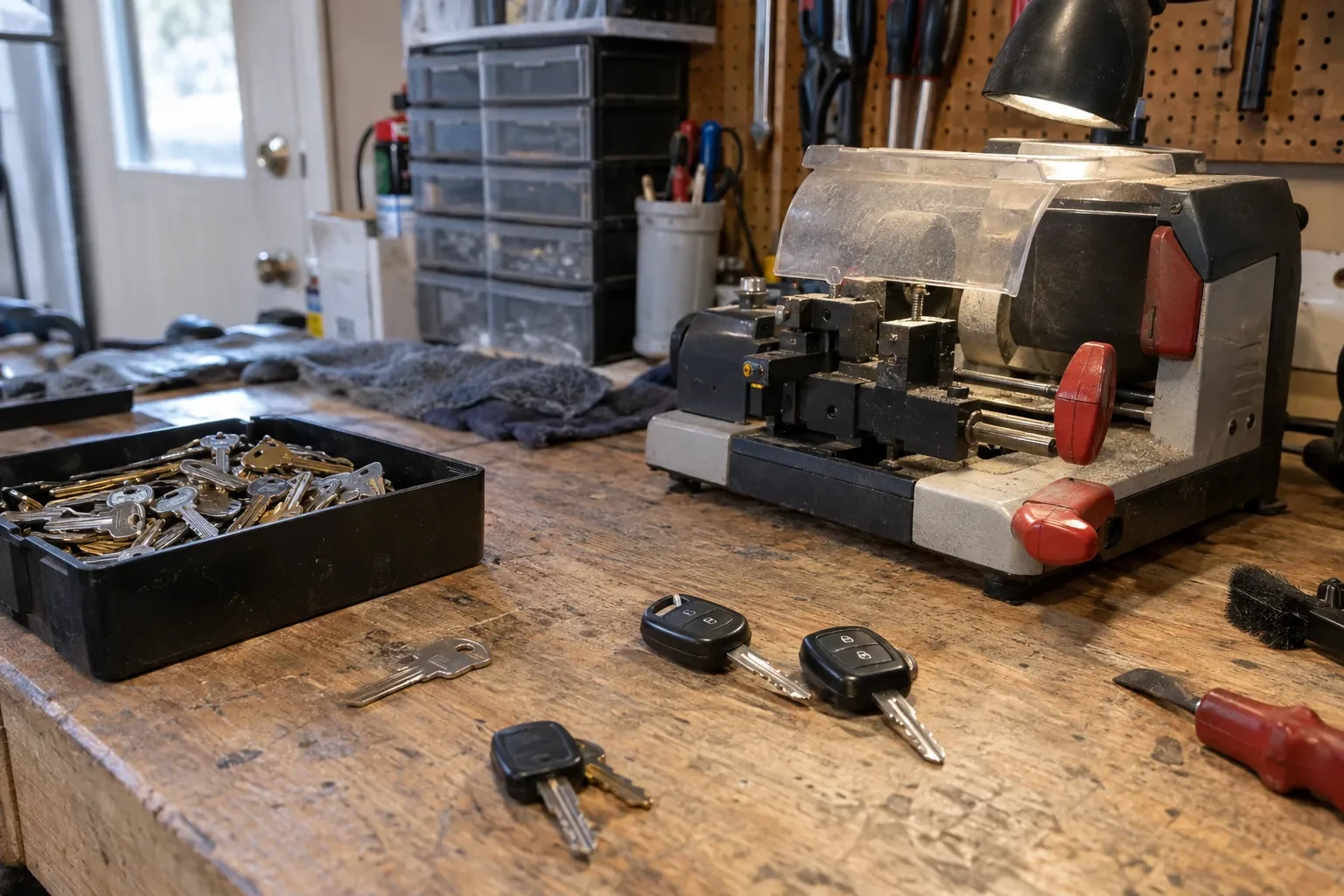
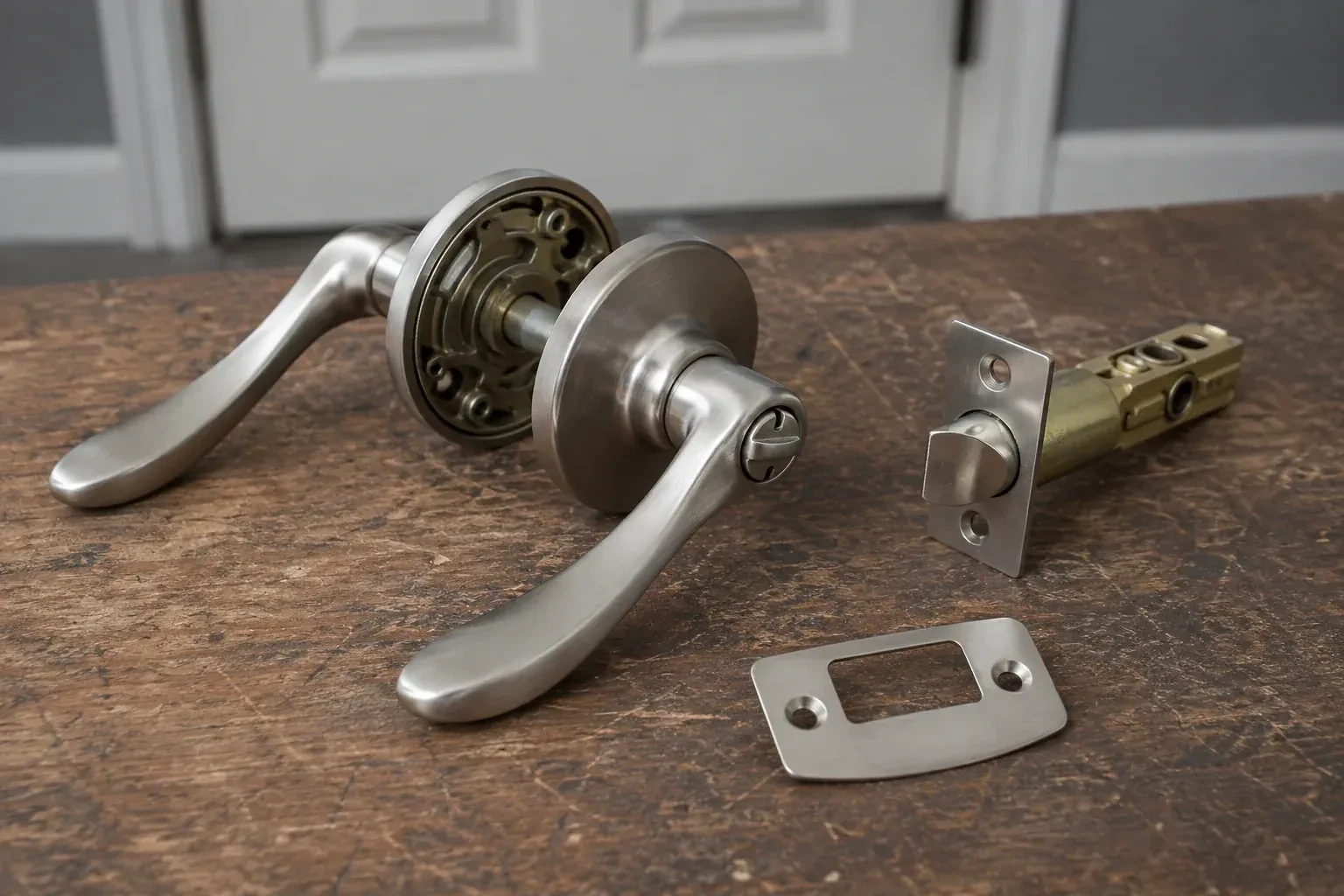
Rekeying keeps the lock you already own and changes which key opens it, which makes it the tidy answer to a lost key, a departed roommate or a staff change. Across Kitchener we rekey single doors, whole houses and small commercial buildings, and cut the new keys on the spot.
Rekeying keeps the lock you already own and changes which key opens it, which makes it the tidy answer to a lost key, a departed roommate or a staff change. Across Kitchener we rekey single doors, whole houses and small commercial buildings, and cut the new keys on the spot.
Locks, keys and doors, done properly.
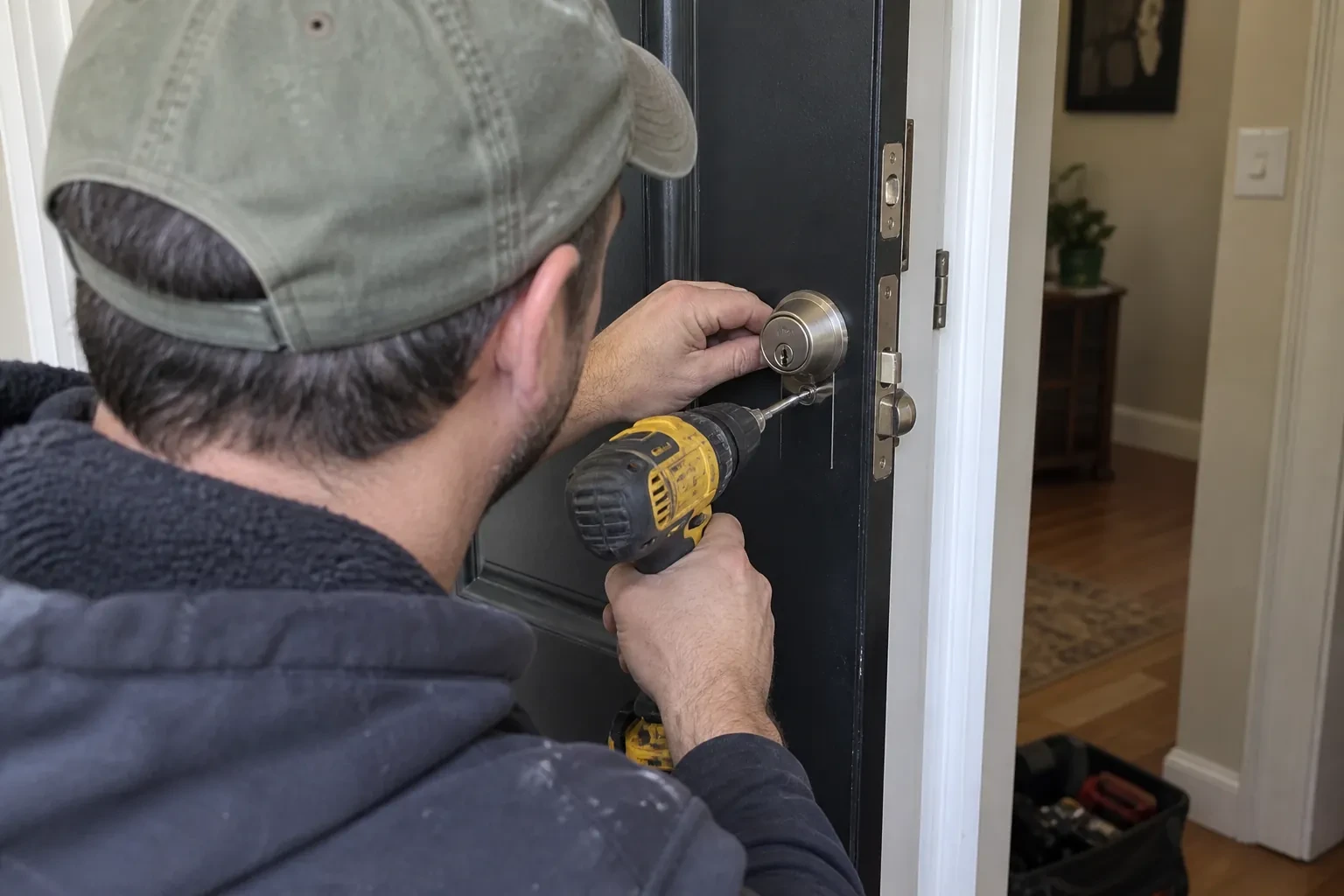
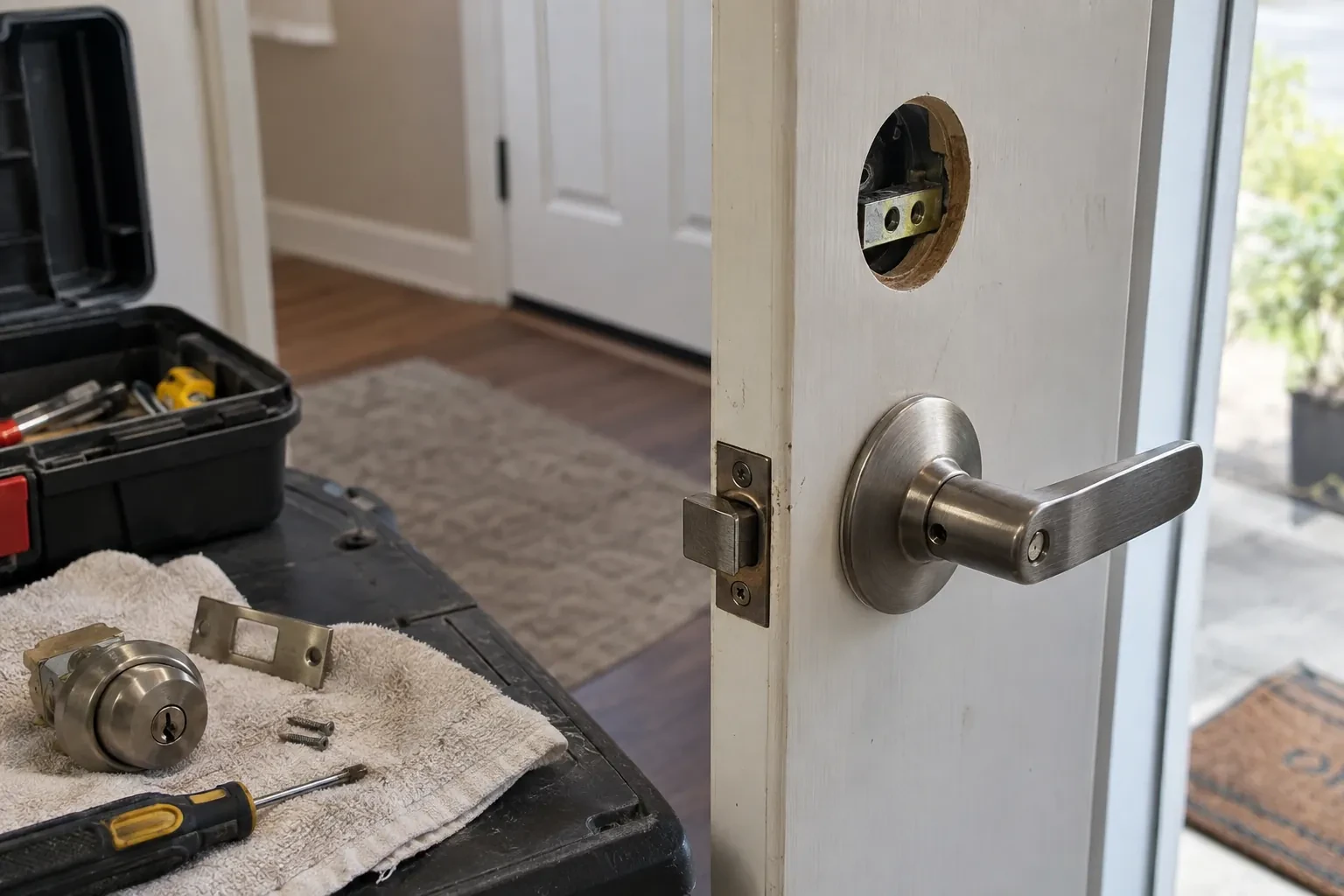
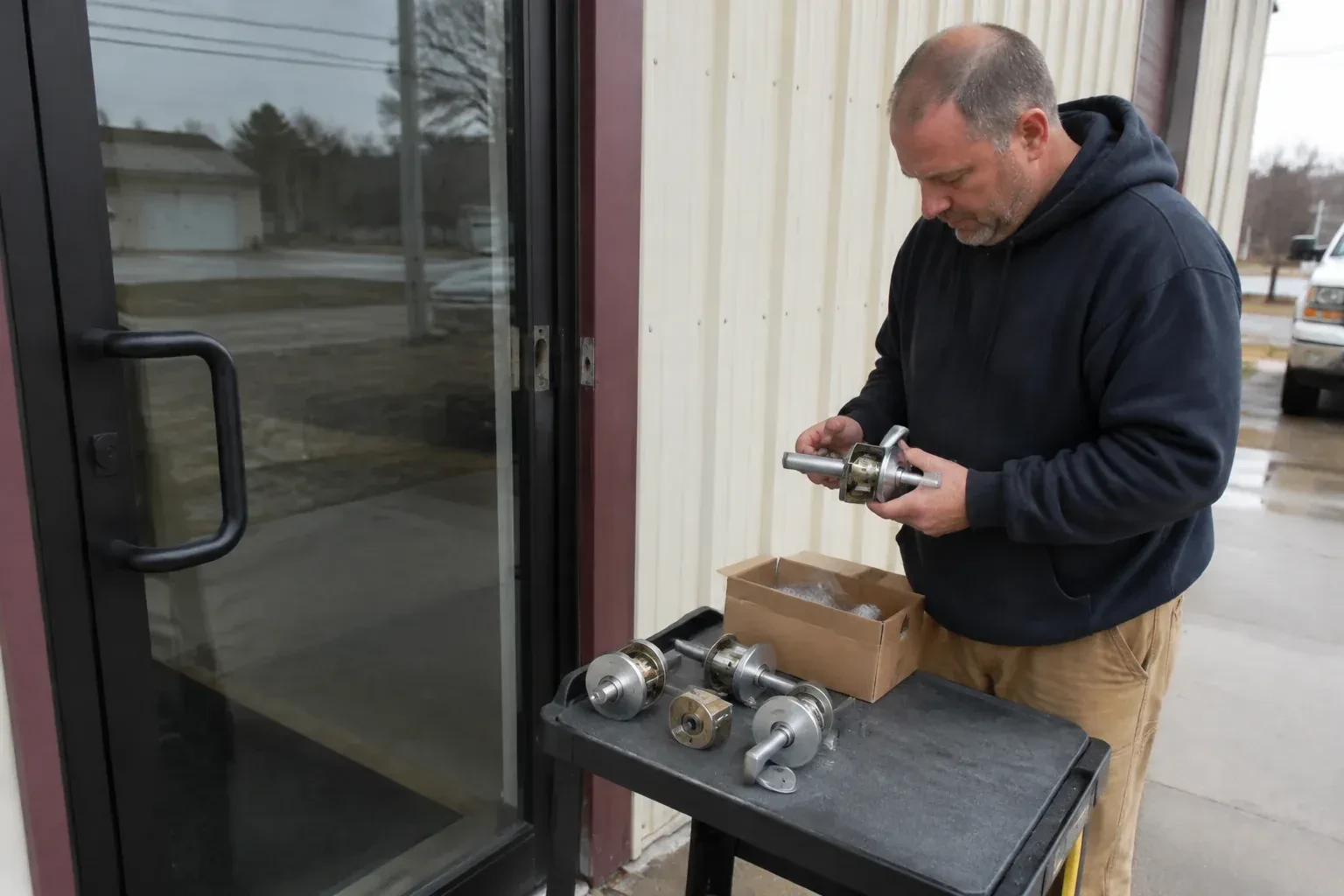
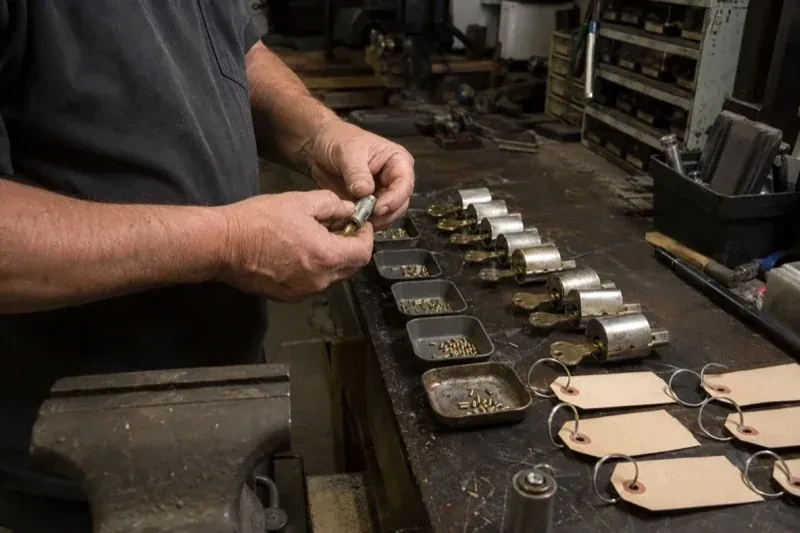
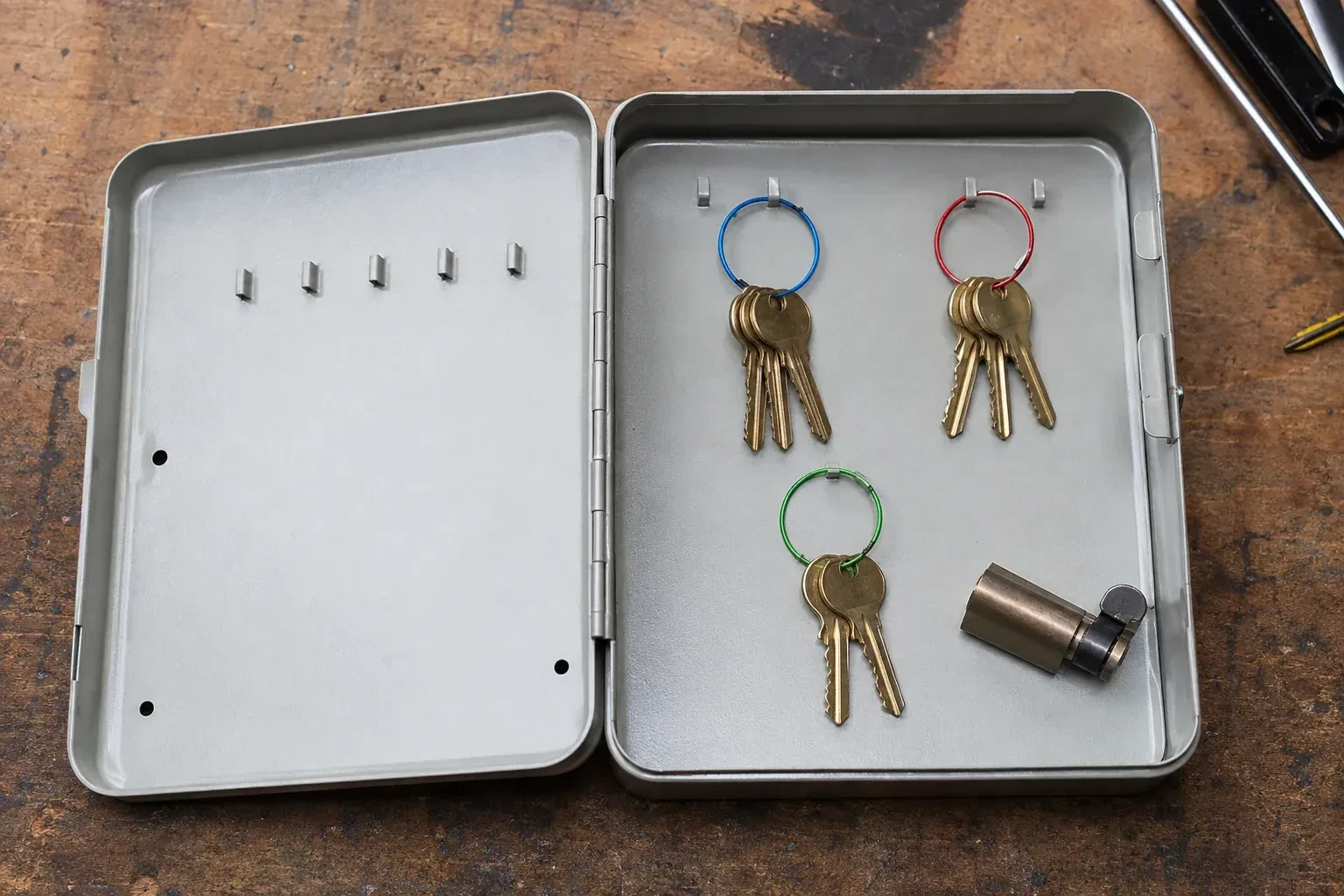
Rekeying is our favourite answer in Kitchener because it keeps good hardware in service. The lock stays, the pins change, the old keys stop working and the new ones are cut on the spot. It suits a move, a lost key or a staff change, costs less than replacement, and leaves the door looking exactly as it did.
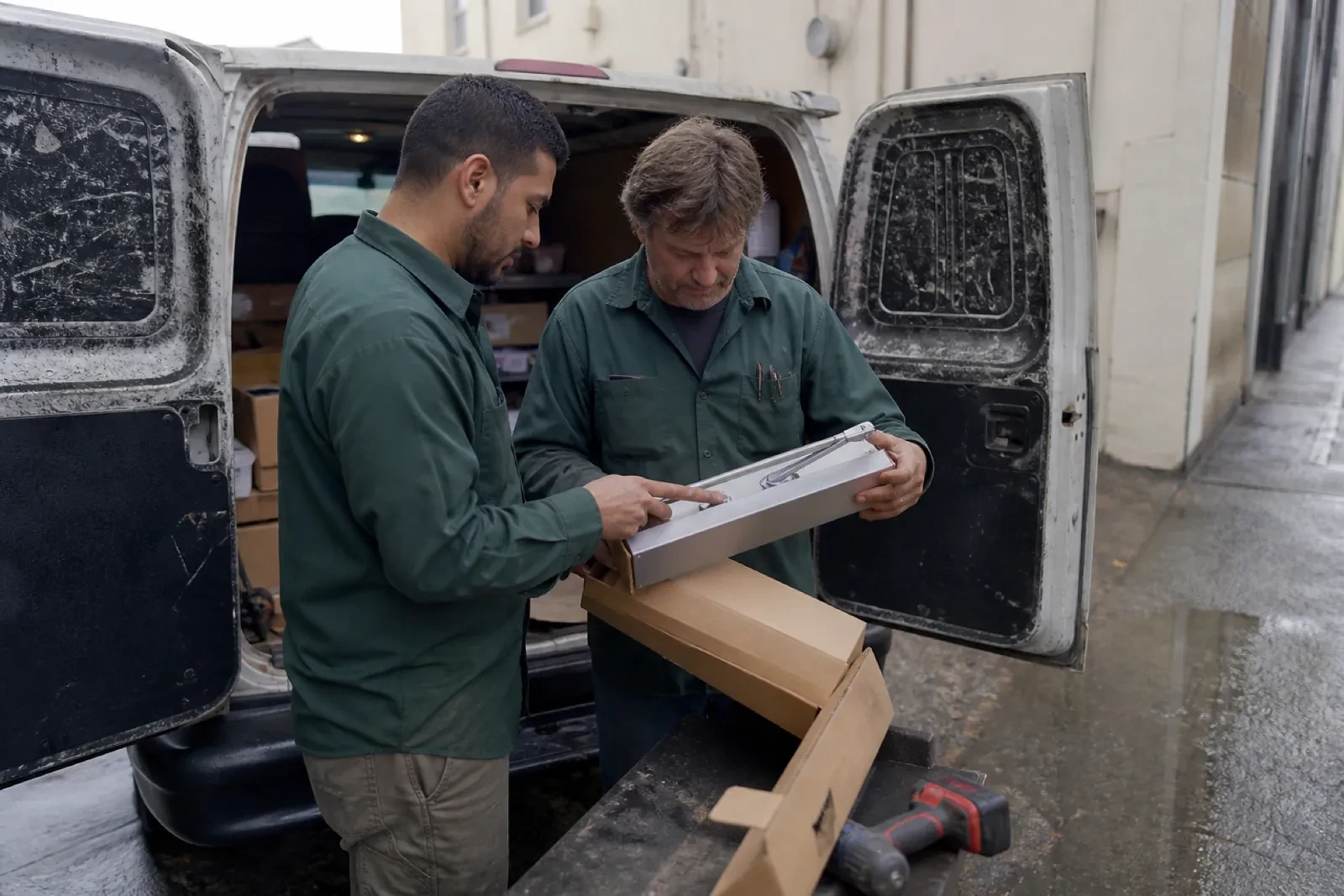
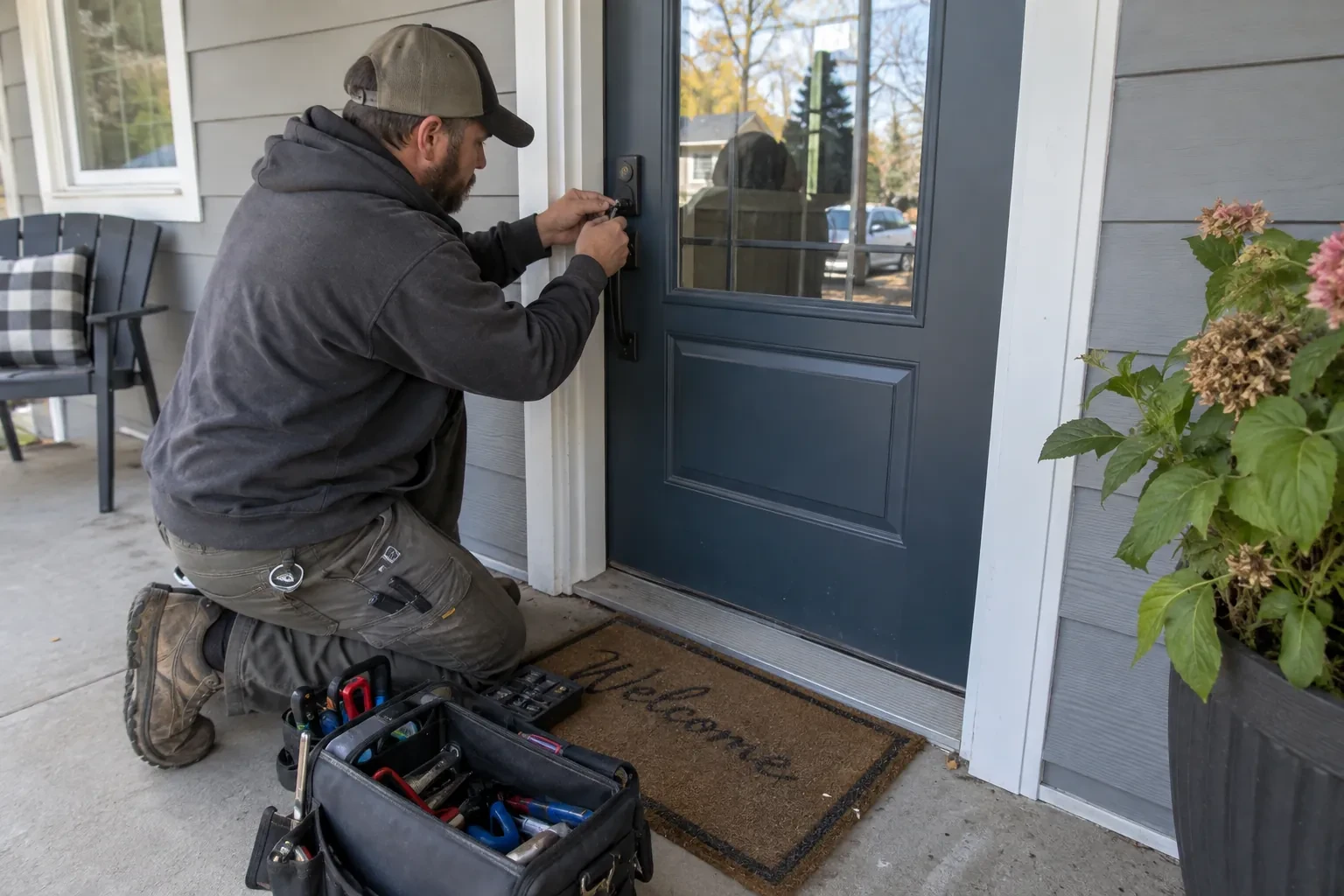
We think of Kitchener as home ground, and we work there the way we would want a tradesperson to work in our own house: arrive prepared, explain first, respect the place, leave it tidy and make sure everything works before going. Homes, businesses and vehicles get that same care, whether the job is a lockout, a rekey or a new set of keys.
31years in business
24/7open every day
No surprises on the doorstep. What we described on the phone is what we plan to do. If the door tells us something different when we see it, we stop and talk before going further.
Helping you choose well. Hardware ranges from basic to heavy-duty and simple to electronic. We explain the differences that actually matter for your door and leave the choice with you.
Neat work, neatly finished. Holes drilled cleanly, hardware aligned, nothing crooked or forced. A lock should look like it belongs on the door, and we take the time to make sure it does.
Below, each lock and key service we offer in Kitchener gets its own page, with a description that assumes no prior knowledge. Start anywhere. Many customers arrive for a lockout and leave knowing exactly why the strike plate on the back door has bothered them for years.
About 49% of homes in Kitchener were built in 1980 or earlier, according to the 2021 Census.
In an area of varied housing ages, rekeying is the one job that fits every door. Old cylinders and new ones both take fresh pins, so a household moving into either kind of home can start with keys that nobody else holds.
Single-detached houses make up about 48% of homes in Kitchener (2021 Census).
Where housing types are mixed, the same lost-key call means different things. In a house, rekey every door on the property. In an apartment, rekey the suite door and check with management about the common entrance. The locksmith asks which it is first.
The manager who holds the only set of office keys is on a plane. The team is gathered in the corridor outside the suite, the landlord's office does not open for another hour, and the client meeting is at nine-thirty.
The shop's aluminum door has a bent meeting stile and the hookbolt is jammed half out. The alarm did its job and the display is untouched, but the entrance will not close properly and opening time is hours away.
One key for the front door, another for the back, a third for the side door into the garage, and a fourth for the shed. You stand on the step every evening flipping through them in the dark, trying each one until something turns.
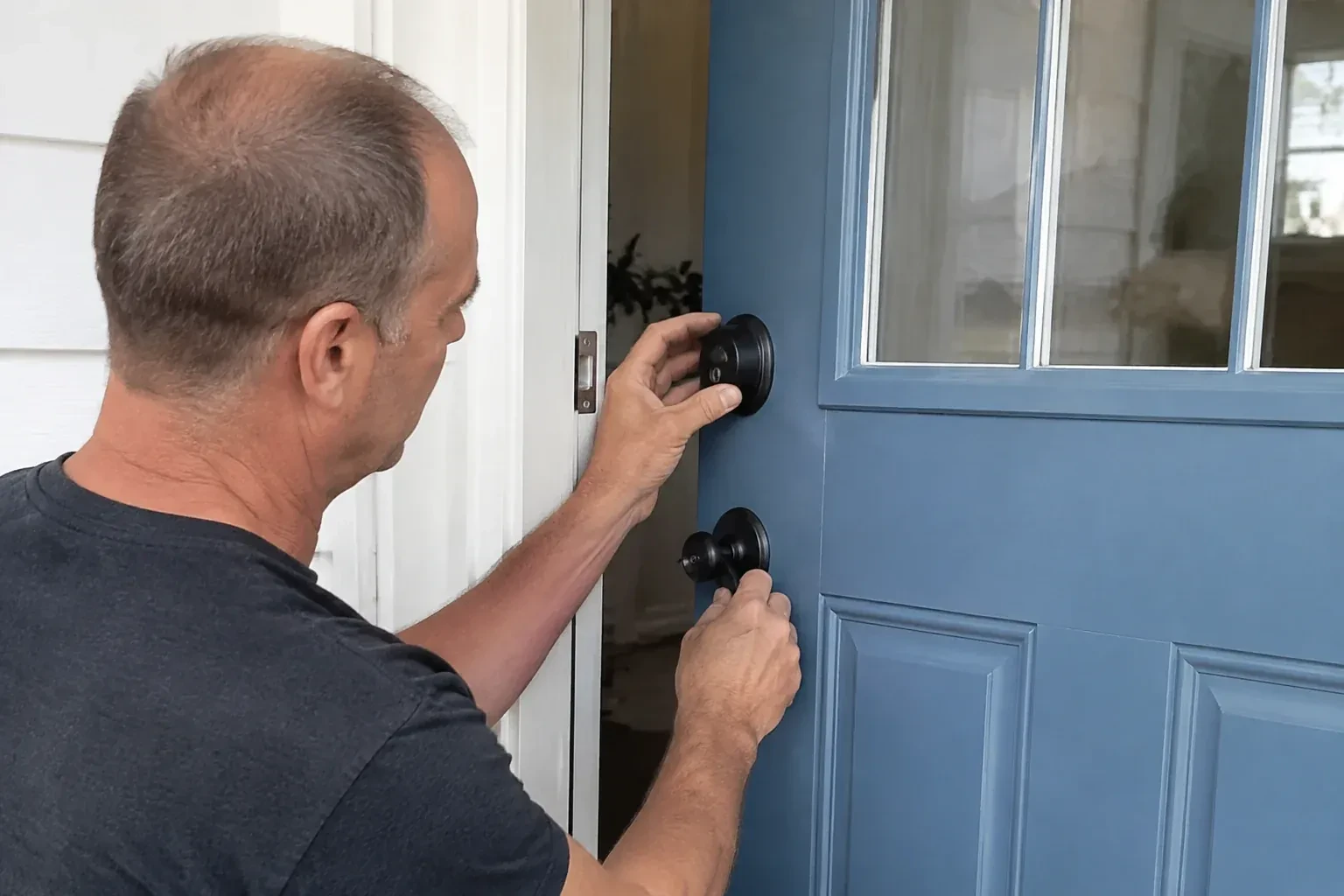
The old deadbolt has grown lazy. You turn the thumb-turn and the bolt creeps out halfway, then needs a second push with the door pulled tight. Some mornings the key has to be jiggled before it will come back out.
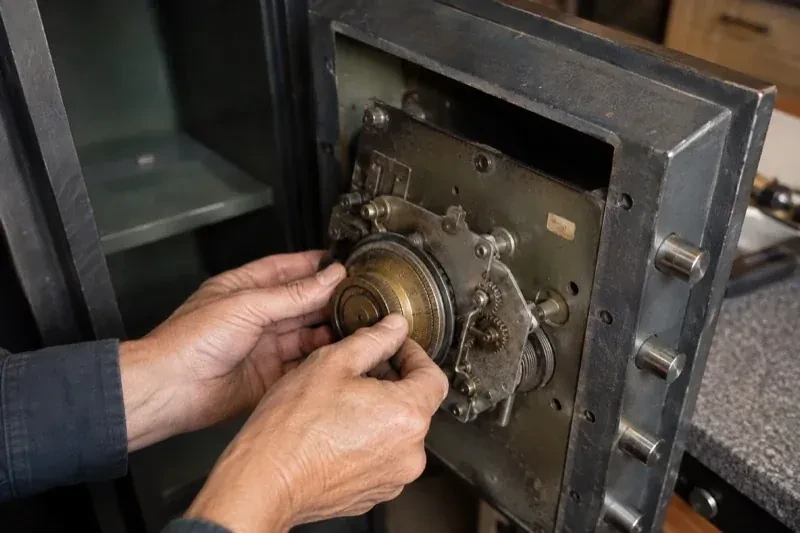
The new manager took over the shop last month and only now needs the back-office safe open, but the combination the previous owner was supposed to leave in writing never turned up anywhere in the handover file.
Your shop has had four employees leave in two years and each one had a key. Rekeying every time is getting old, and the hardware store will cut a copy for anyone who walks in with the original.
Another employee left and the keys never came back. You changed the locks again, cut copies for everyone who stayed, and paid for a job that repeats itself the next time someone quits, taking a working key out the door with them.
The daycare wants the yard gate and the classroom door alarmed so a staff member hears the moment it opens, without turning either into something a child could be shut behind.
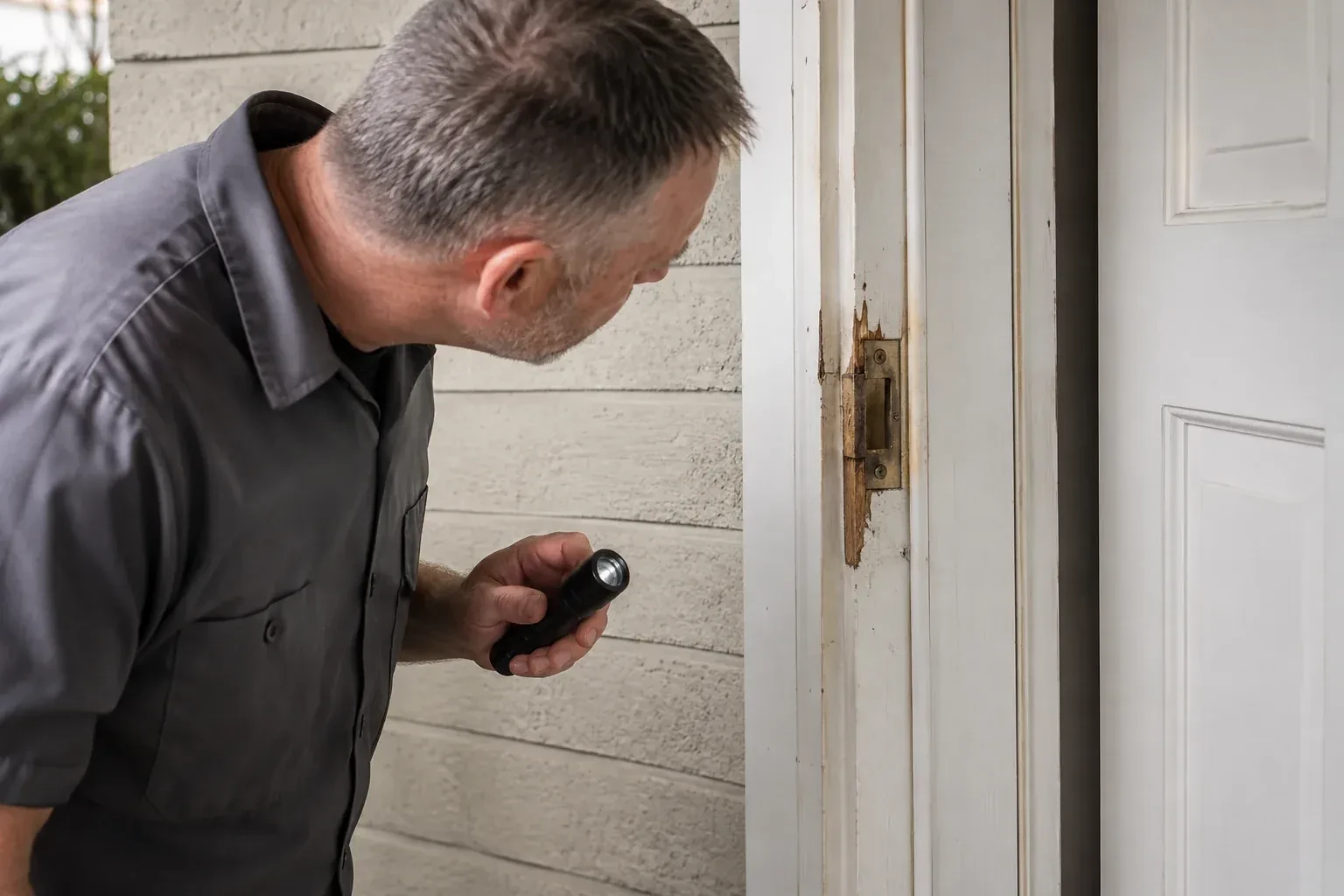
Overnight someone forced the back door, and the cylinder face is scarred, the metal around the strike has pulled loose from the frame, and the latch no longer sits flush.
We describe cylinders by what they resist: picking, bumping, drilling, wrenching and pulling. We describe key systems by who can order a copy. Together those two descriptions tell you what a high security upgrade actually changes for your door.
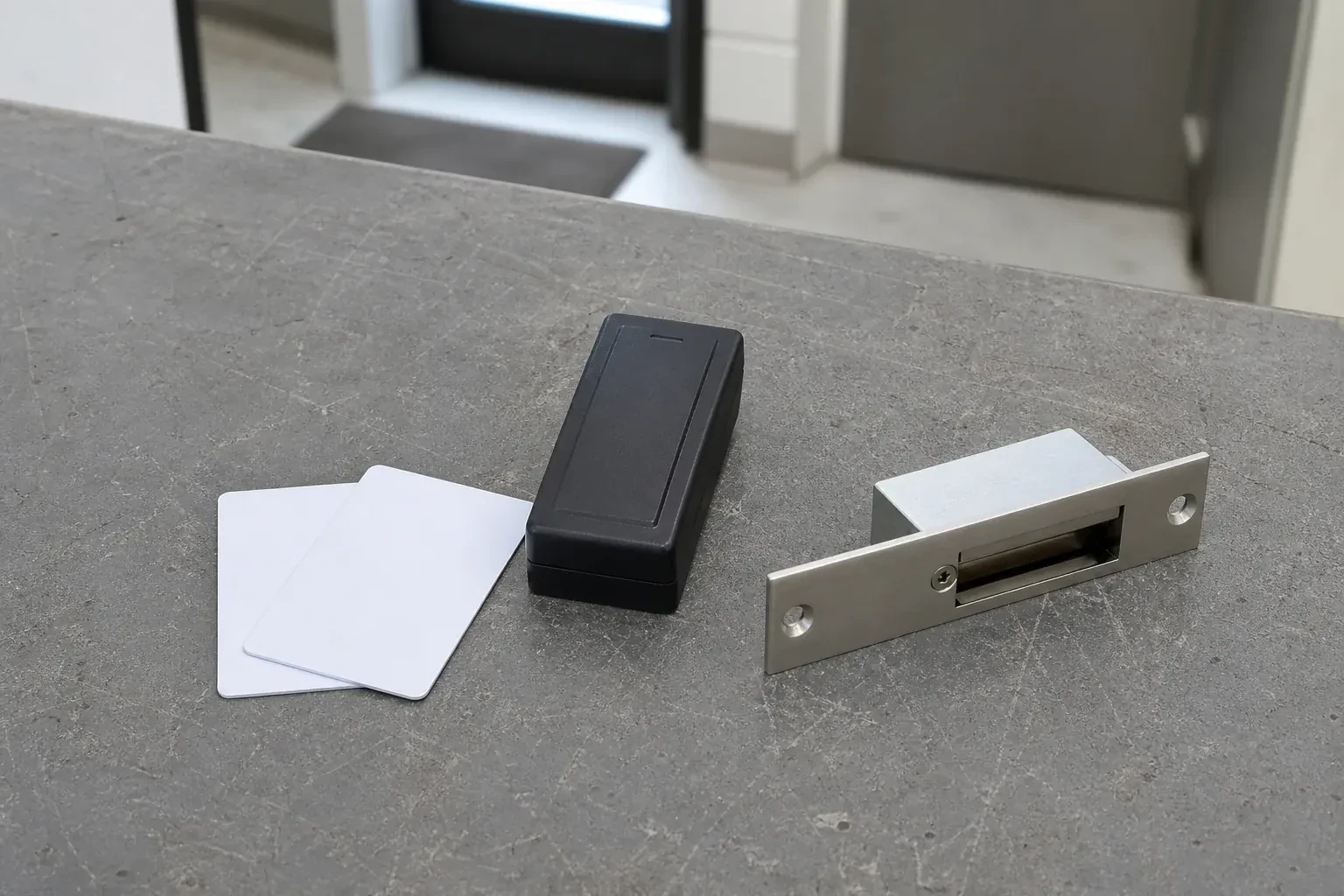
Access control does not have to mean a control room. For a small office it can be a single keypad on the staff door with a code that changes whenever a staff member moves on. These pages start small and scale up with the building.
WhyDeadbolt installation puts a solid bolt lock on a door that either has none or has one that is past its useful life.
The new manager took over the shop last month and only now needs the back-office safe open, but the combination the previous owner was supposed to leave in writing never turned up anywhere in the handover file.
WhyA building already running an intrusion alarm or a camera system gains from an access control installation that speaks to them rather than sitting apart from them: an arm-and-disarm event that lines up with the person who unlocked the door, a camera clip tagged to a specific credential instead of a blank time stamp.
The daycare wants the yard gate and the classroom door alarmed so a staff member hears the moment it opens, without turning either into something a child could be shut behind.
WhyA code trigger usually starts the conversation: an occupant load over a threshold, a fire inspector's note, or a new use for a room that used to hold far fewer people.
Overnight someone forced the back door, and the cylinder face is scarred, the metal around the strike has pulled loose from the frame, and the latch no longer sits flush.
Our alarm is armed. What happens when you open the door?
The opening is planned around it. Before any work, the person with the alarm code is ready to disarm, and where a monitoring company is involved they can be told to expect an entry at that address. If the contact trips anyway, the authorised person speaks to the station with the account password. Nothing about the alarm is bypassed; the door is opened, the system is disarmed normally, and the event is logged like any other.
How is a forced storefront door repaired?
Aluminum storefront doors are attacked at the narrow stile, which bends under a pry bar, or at the hookbolt and glass. The locksmith straightens or replaces the damaged section where possible, fits a new narrow-stile deadbolt or hookbolt with its strike, and adds a latch guard or anti-pry astragal along the meeting edge so a bar has no purchase. Cores are rekeyed and codes reviewed. The inside release stays a single motion so the exit route is unchanged.
What should I have ready before the locksmith arrives?
A list of the doors you want included, a working key for each lock if you have one, and a clear idea of whether you want everything on one key or some doors kept separate. Have your identification and something tying you to the address handy. If you rent, have your landlord's agreement ready to mention. Knowing roughly how many new keys the household needs saves a second trip to cut more.
What do lock grades mean when I am picking a deadbolt?
Residential deadbolts are graded under an industry standard in three categories, security, durability and finish, with letter grades from C through A, so a lock marked with three A grades has met the highest level in each. Heavier commercial-pattern bolts are graded 1, 2 or 3, with 1 the highest. The grades let you match hardware to a busy family door or an exposed side entrance without relying on the weight of the box.
My safe was in a fire or a flood. Does that change how it gets opened?
It can. Heat or water exposure sometimes trips a relocker or damages the bolt work independently of the combination lock, so the locksmith checks for that first rather than assuming the lock itself has failed. A safe with fire-rated insulation may also need that lining checked once open, separately from the lock work.
What about the glass panel next to my front door?
A sidelight within reach of the inside thumb-turn is the weak point of an otherwise strong door, since a broken pane lets a hand reach the turn. Options include moving the deadbolt further from the glass, a lock function that needs a key inside as well, or a laminated pane. Because everyone must still be able to leave easily, the locksmith talks through the trade-offs and helps you pick the arrangement that suits your household.
Will this work with our existing alarm or camera system?
In most cases, yes. An access control installation can be planned to share information with an existing alarm panel, so an arm-or-disarm event lines up with whoever unlocked the door, and with a camera system, so a recorded clip can be matched to a specific credential rather than only a timestamp. The exact integration depends on what the existing alarm and camera equipment support.
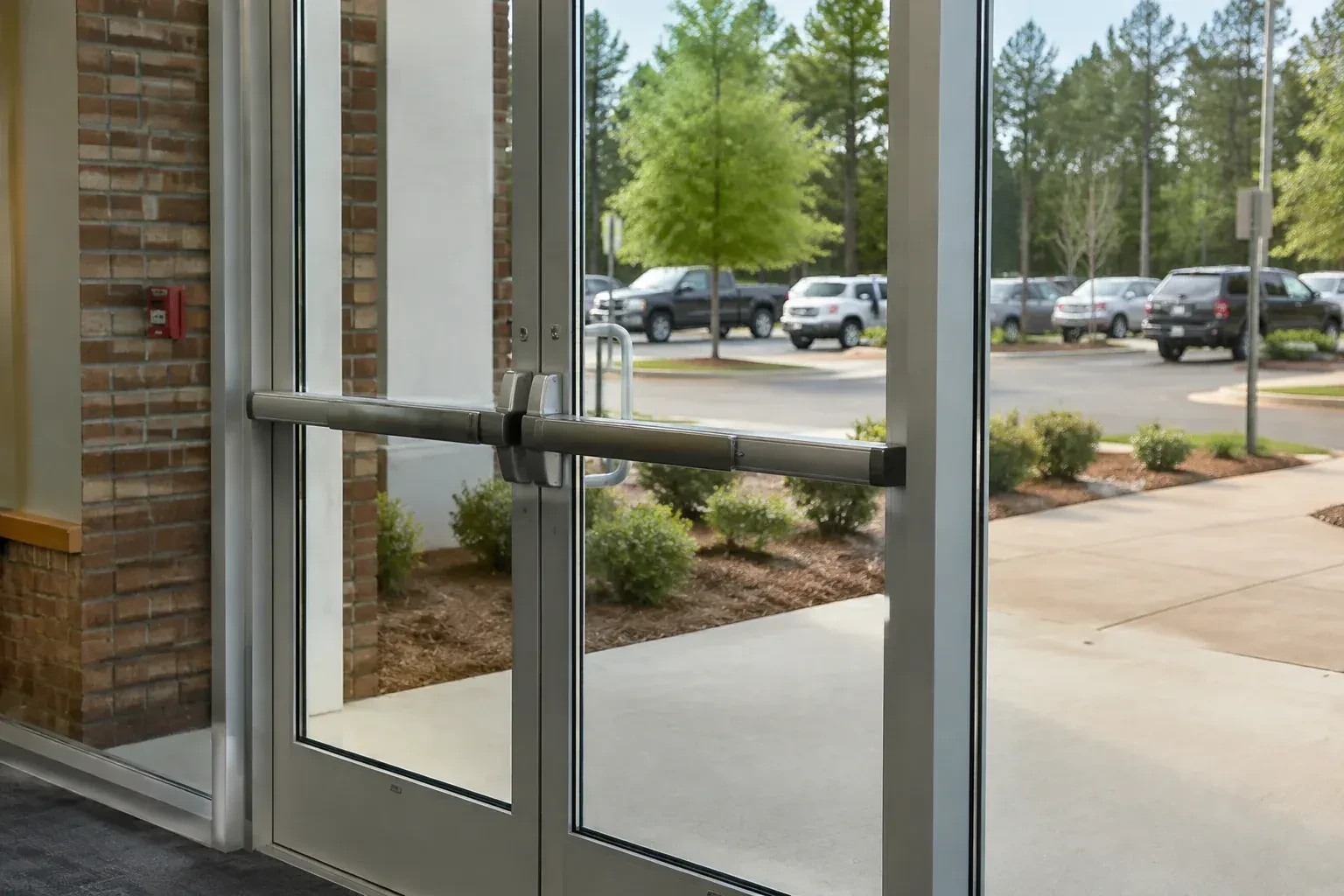
What is the difference between a rim, mortise and vertical-rod device?
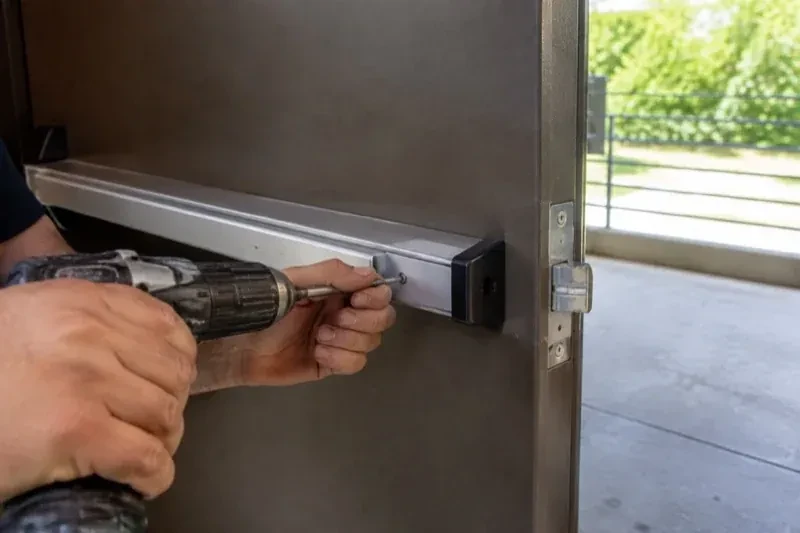
A rim device sits on the surface of the door and suits most single openings, including many tall and fire-rated doors on their own. A mortise device fits into a pocket cut in the door's edge and is chosen where a heavier case or a particular trim style is wanted. A vertical-rod device runs rods to the top, or top and bottom, of the frame, which suits an opening that specifically needs latching at more than one point rather than height by itself.
How do you know if my door is part of a fire separation?
The door and frame usually carry a small metal label stating the assembly's rating, and the building's own fire safety plan or a previous inspection report will identify which doors are part of a fire separation. If a label is missing or unreadable, that is worth raising with your building's fire safety plan holder before hardware is chosen, since it changes what can legally go on the door.
Request a visit
Rekeying is our favourite answer in Kitchener because it keeps good hardware in service. The lock stays, the pins change, the old keys stop working and the new ones are cut on the spot. It suits a move, a lost key or a staff change, costs less than replacement, and leaves the door looking exactly as it did.