Locksmith in Parkway, OntarioRekeying forhomes and businesses in Parkway
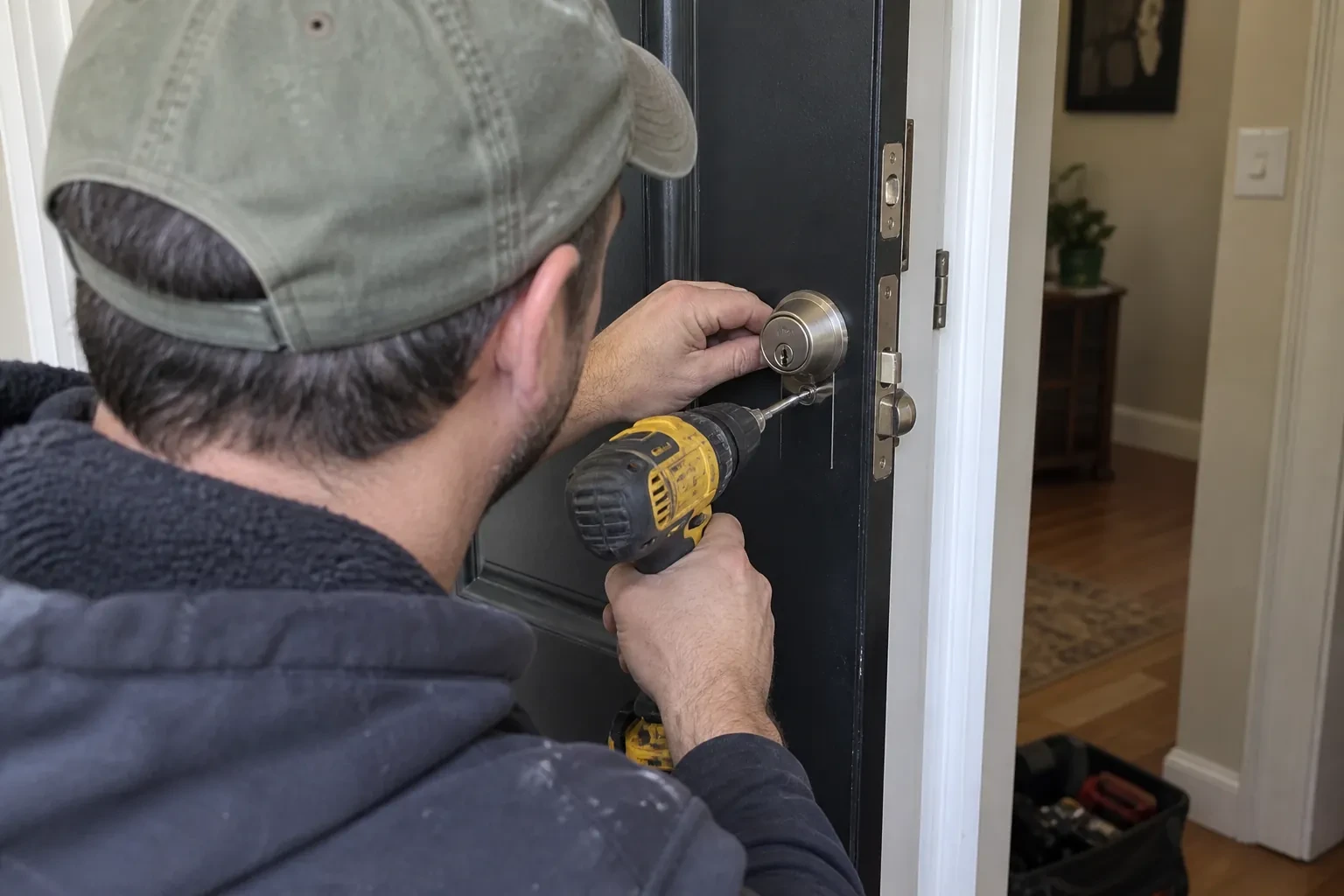
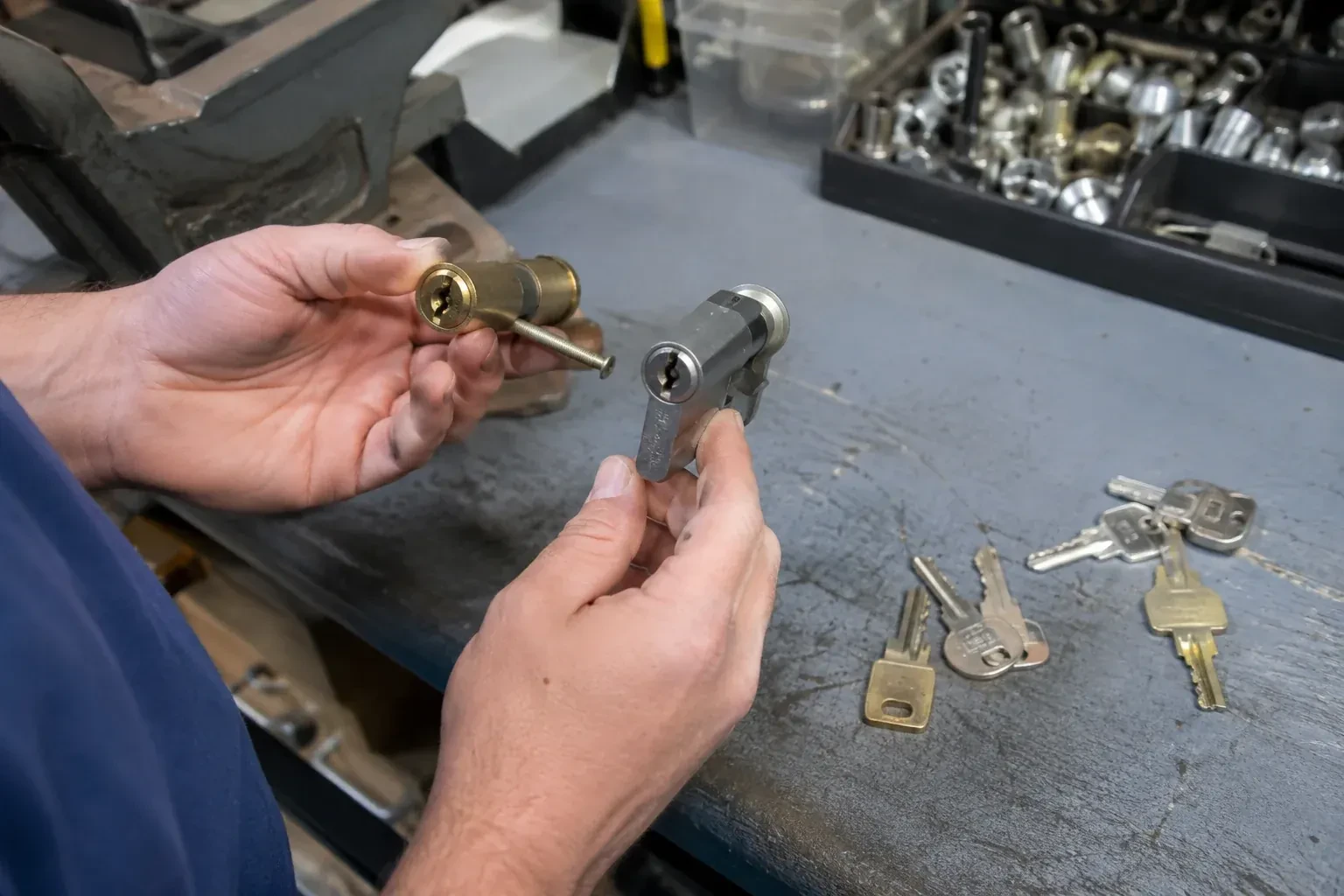
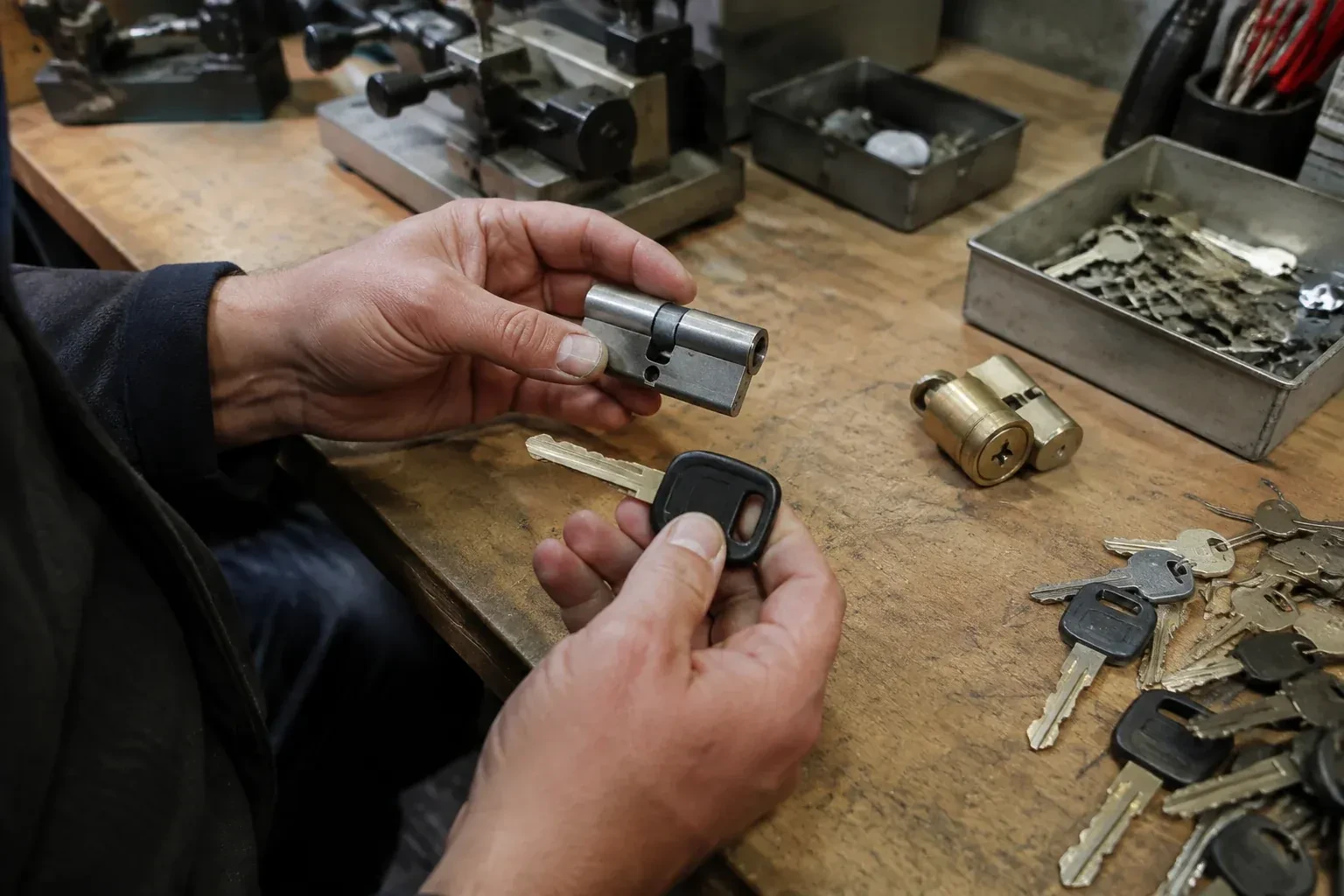
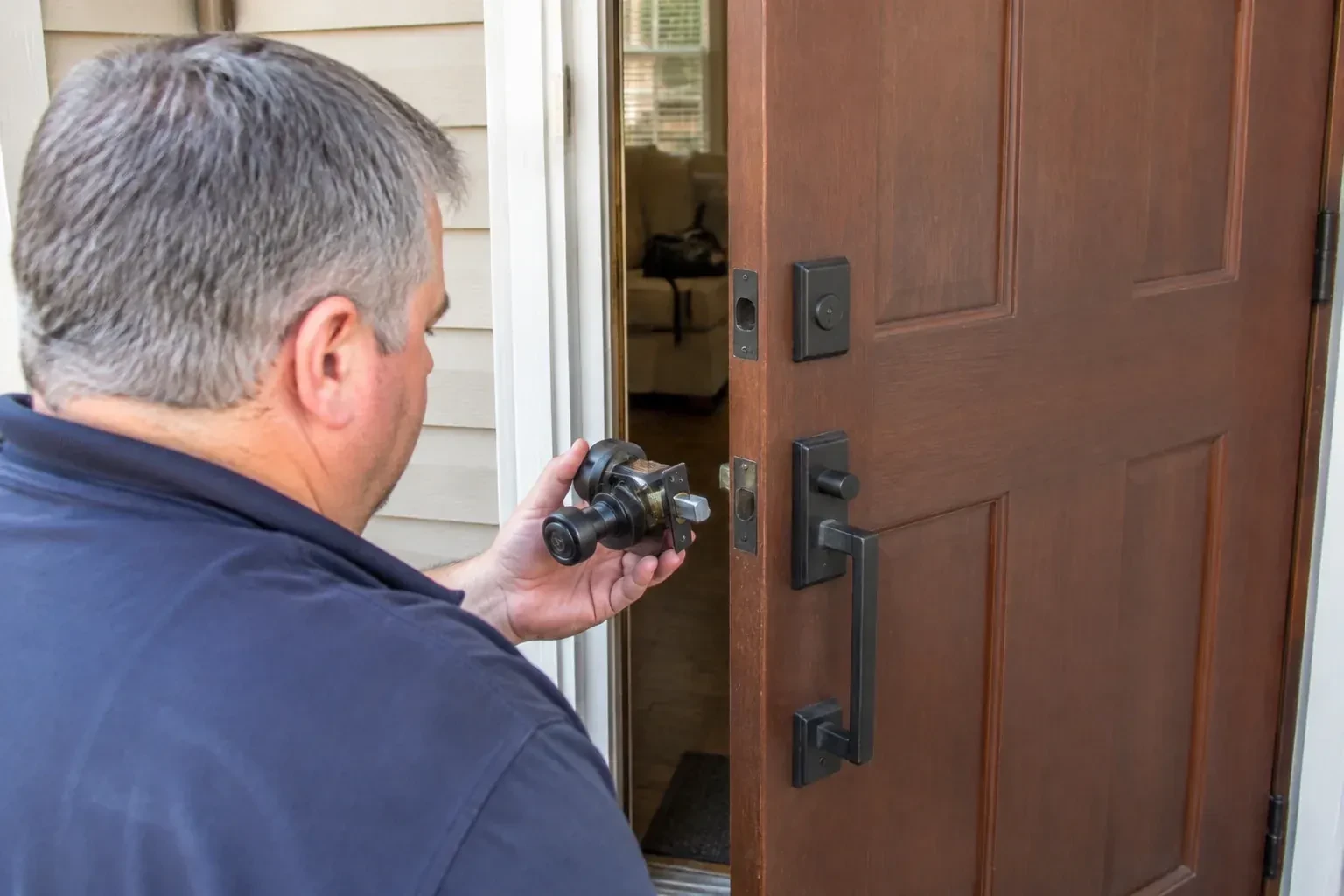
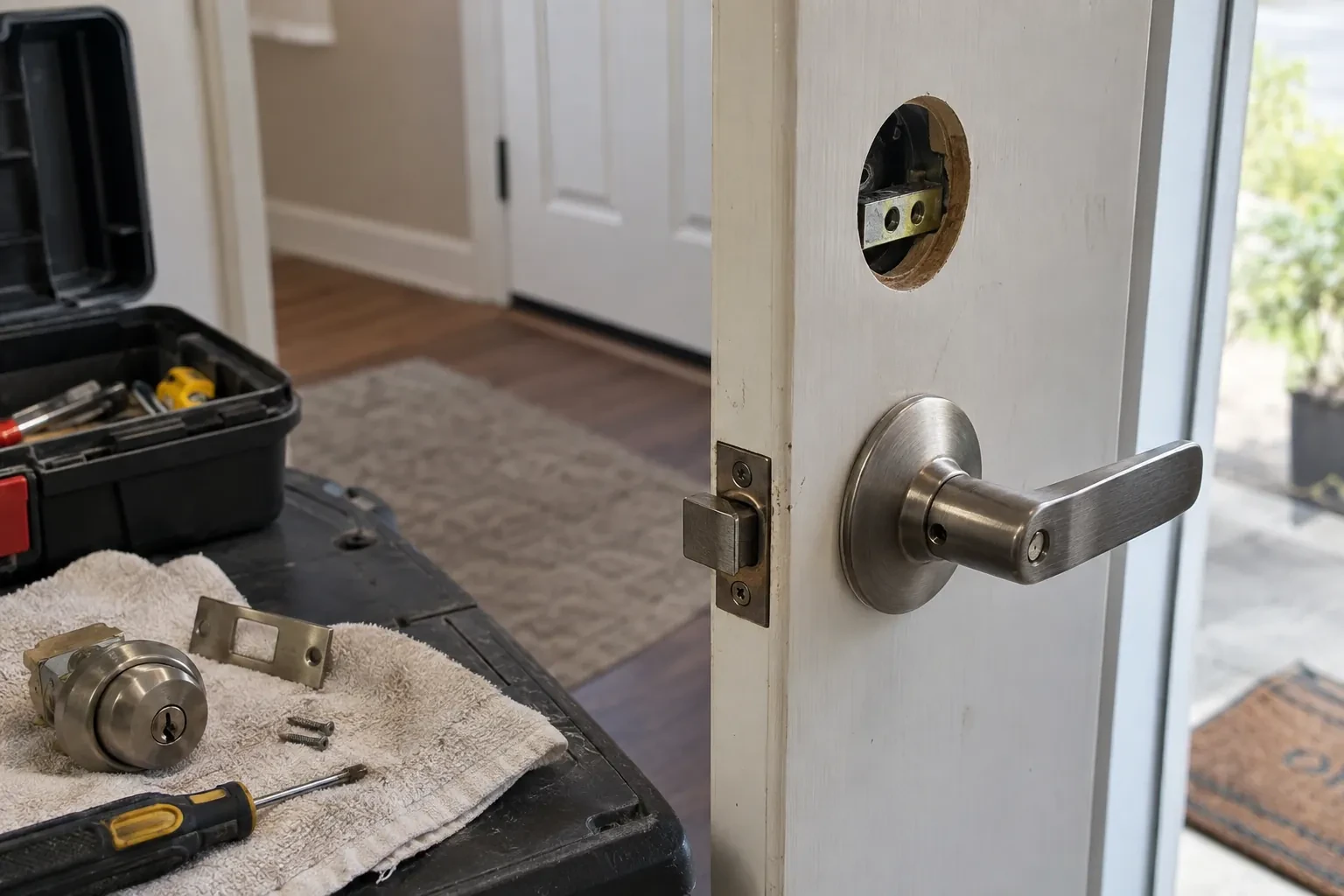
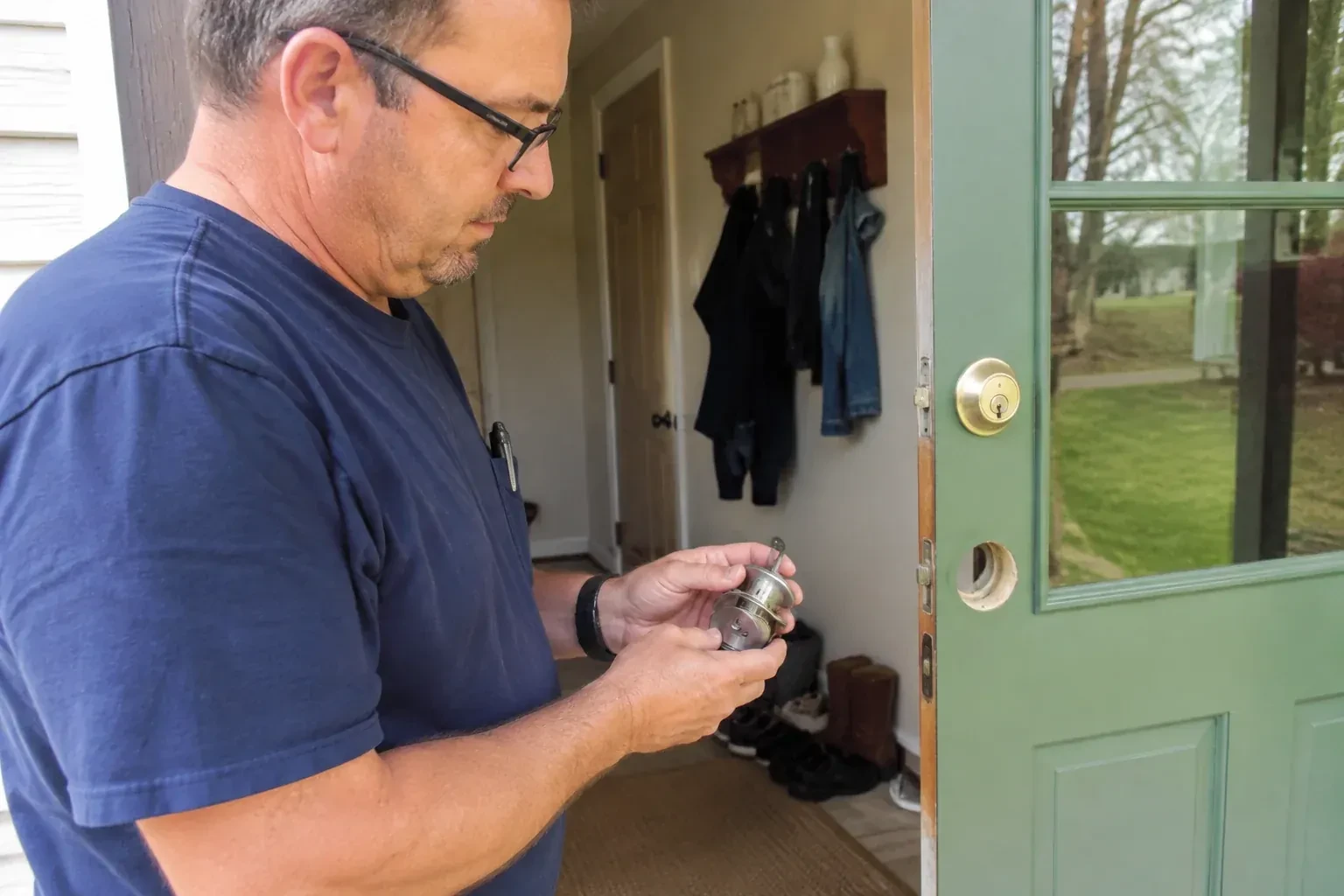
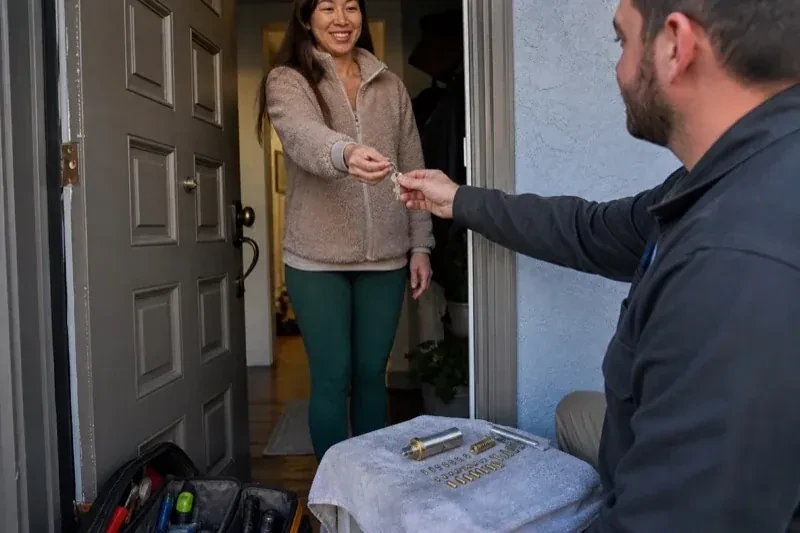
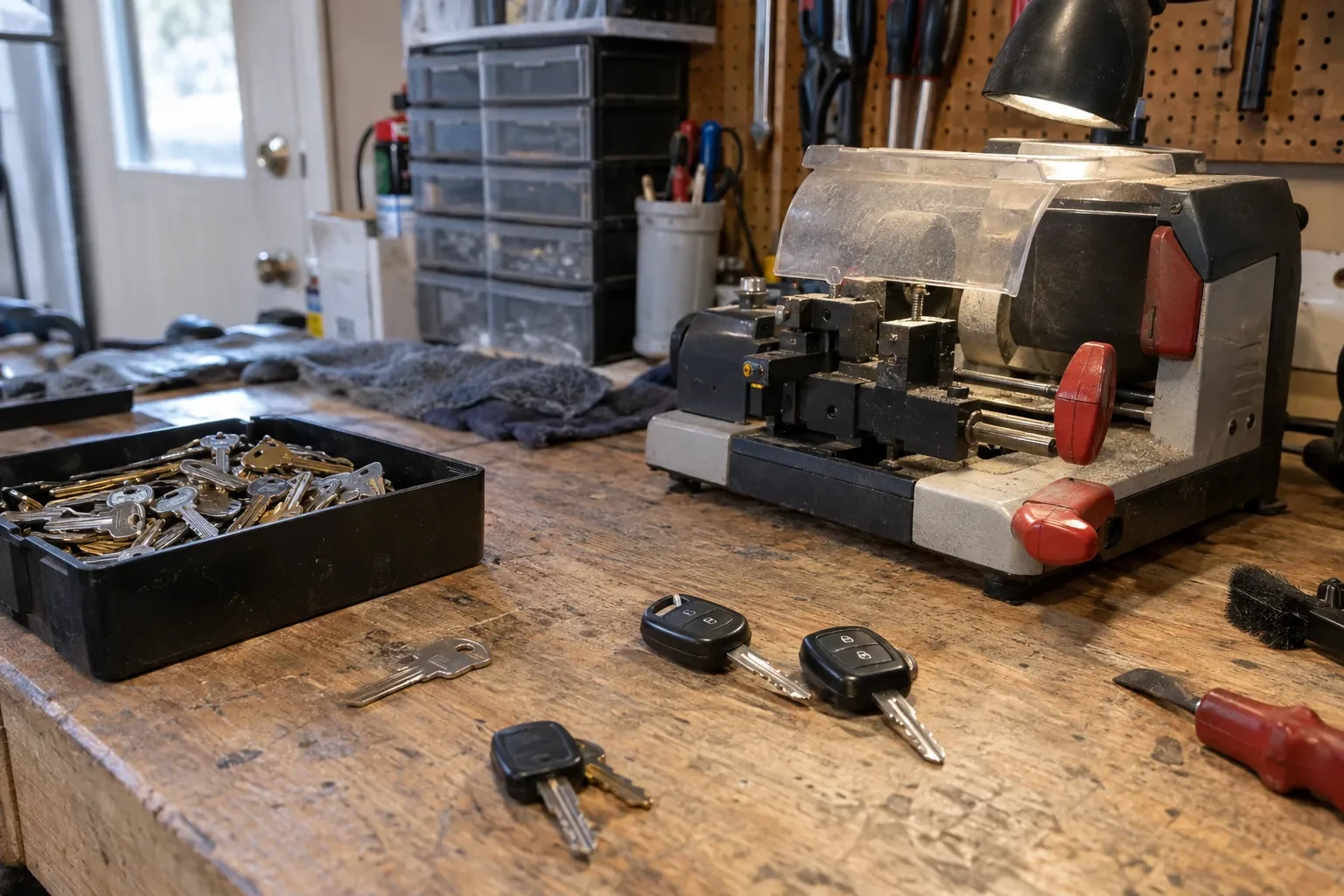
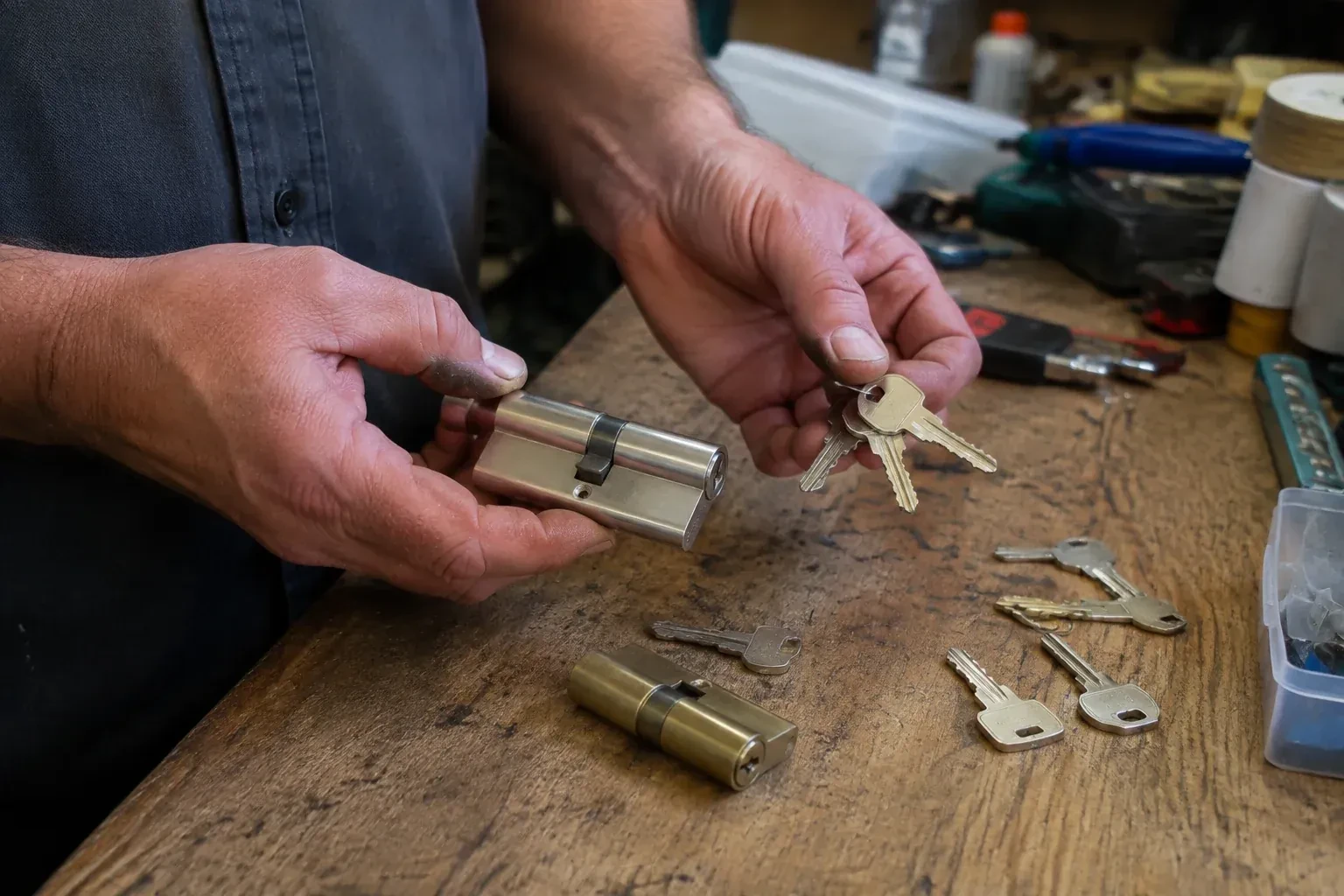
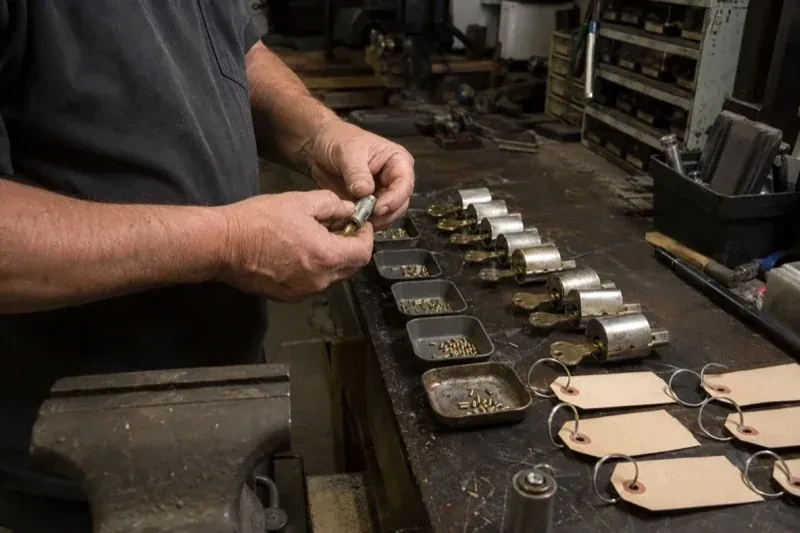
Rekeying keeps the lock you already own and changes which key opens it, which makes it the tidy answer to a lost key, a departed roommate or a staff change. Across Parkway we rekey single doors, whole houses and small commercial buildings, and cut the new keys on the spot. We serve Strasburg as well.
Rekeying keeps the lock you already own and changes which key opens it, which makes it the tidy answer to a lost key, a departed roommate or a staff change. Across Parkway we rekey single doors, whole houses and small commercial buildings, and cut the new keys on the spot. We serve Strasburg as well.
Locks, keys and doors, done properly.
The company covers Parkway around the clock, and the visit costs the same whenever it happens. The locksmith who arrives at midnight is the same one you would see at midday, with the same stocked van and the same habit of explaining first. A lockout is stressful enough without wondering whether the hour changed anything about the service.
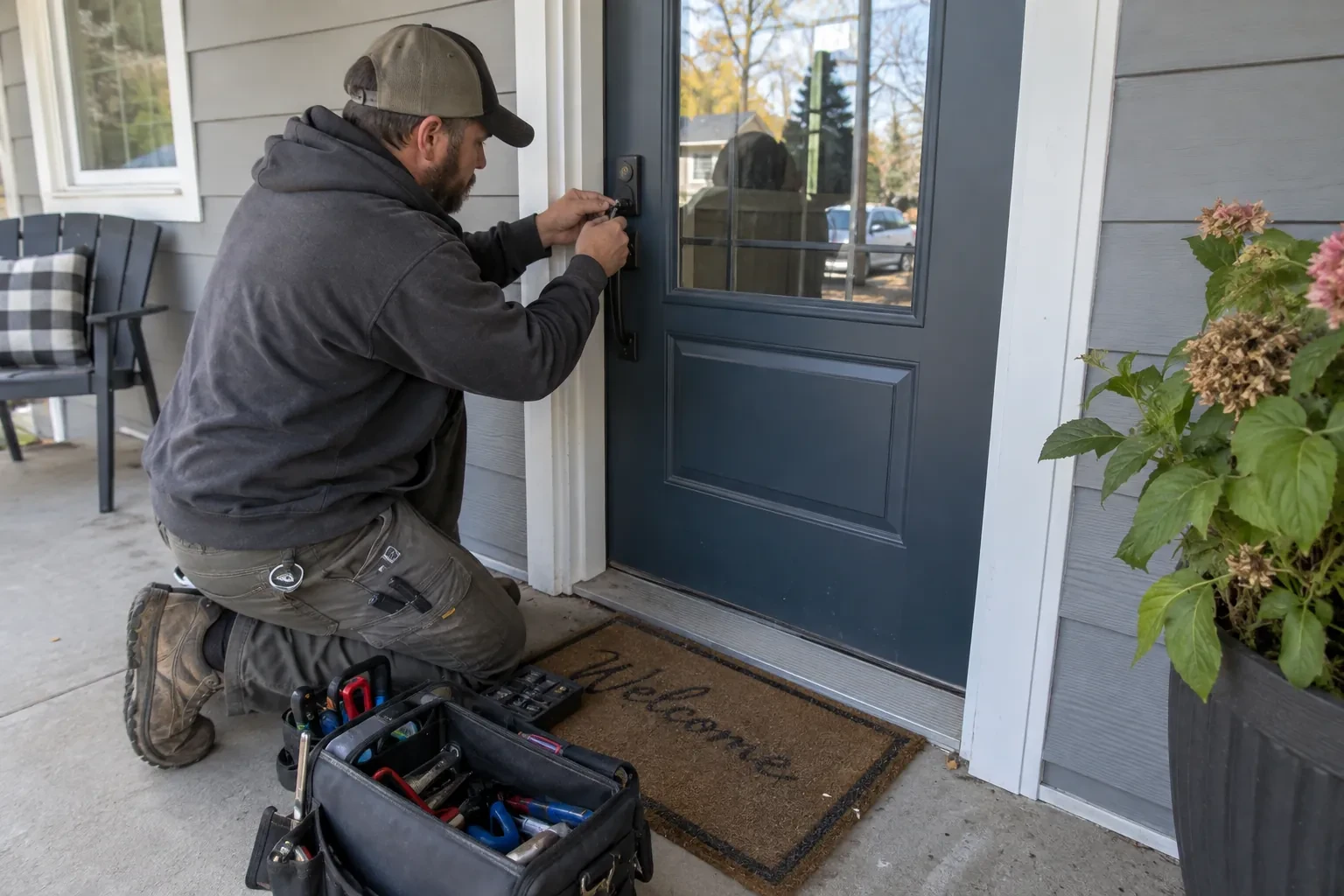
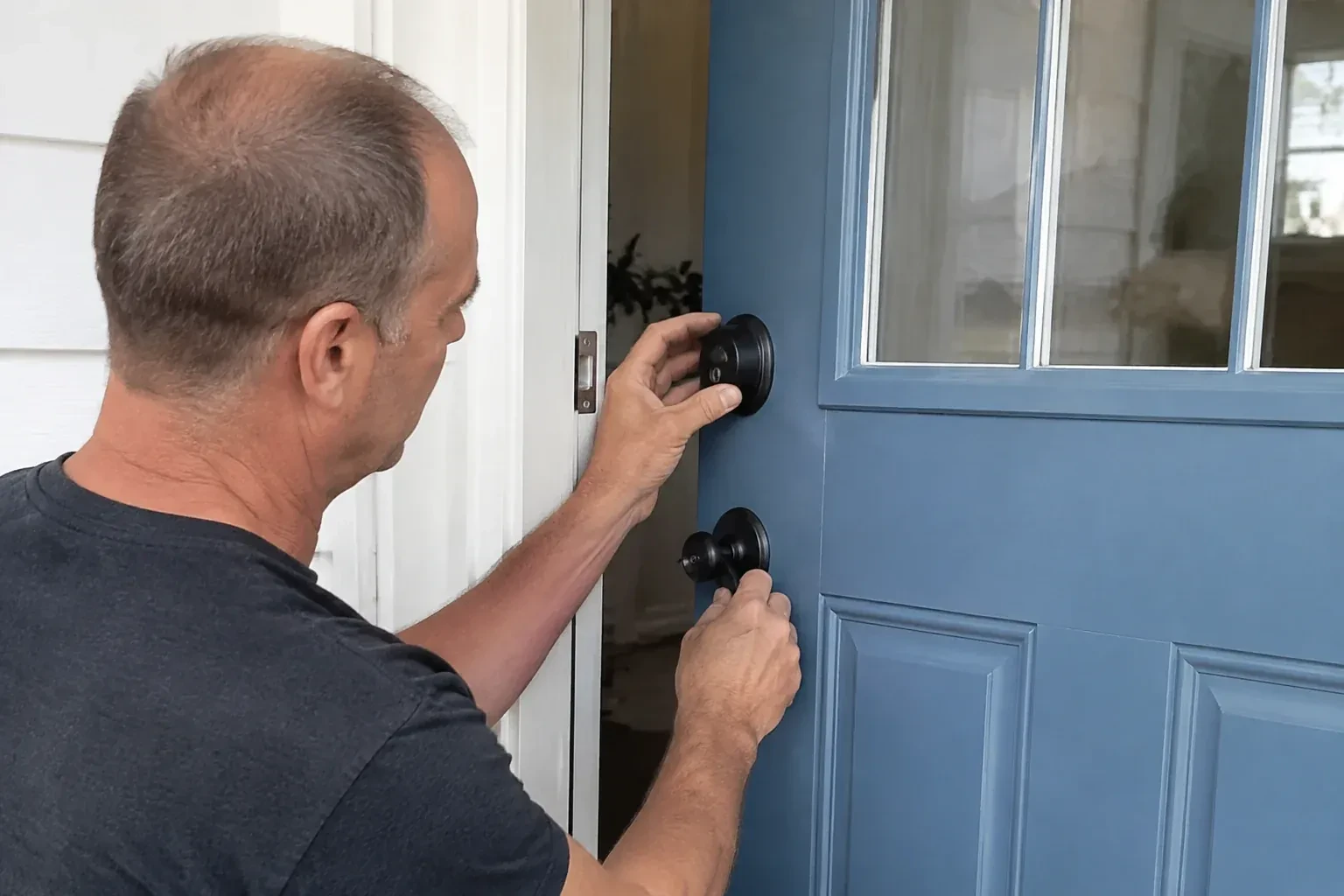
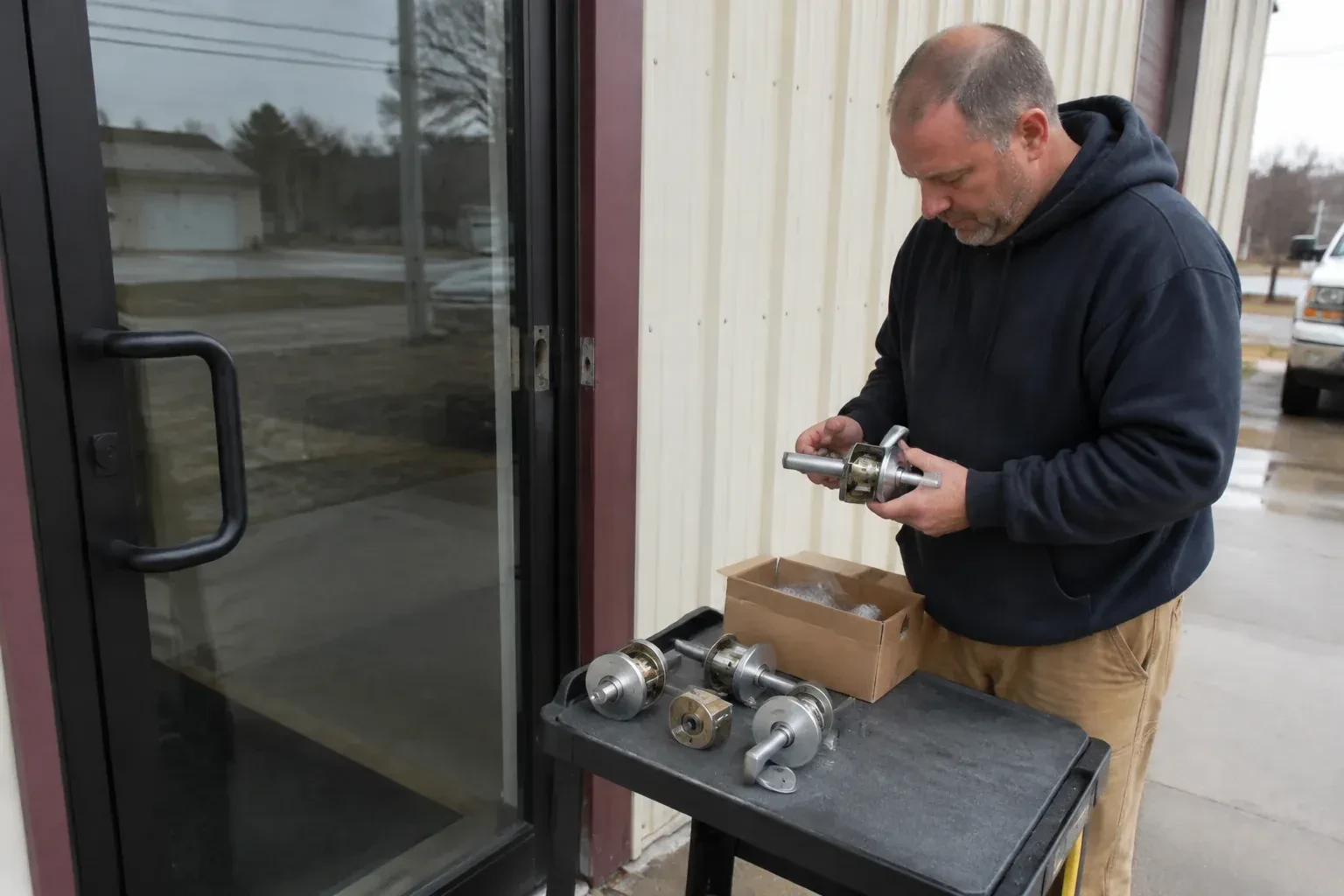
For families in Parkway, the goal is usually simple: a door that locks with one hand, keys that turn without a fight, and the peace of mind that nobody else holds a copy. We deliver that through rekeying, careful deadbolt installation and attention to the frame and hinges, and we show you everything before we leave.
31years in business
24/7open every day
No surprises on the doorstep. What we described on the phone is what we plan to do. If the door tells us something different when we see it, we stop and talk before going further.
Helping you choose well. Hardware ranges from basic to heavy-duty and simple to electronic. We explain the differences that actually matter for your door and leave the choice with you.
Neat work, neatly finished. Holes drilled cleanly, hardware aligned, nothing crooked or forced. A lock should look like it belongs on the door, and we take the time to make sure it does.
The services below cover most of what a door in Parkway can throw at you. Some are urgent, like a lockout or a snapped key. Others are planned, like upgrading to a high-security cylinder or setting up a master key system for a small building. Each one is explained in plain terms so you know what to expect.
About 49% of homes in Kitchener were built in 1980 or earlier, according to the 2021 Census.
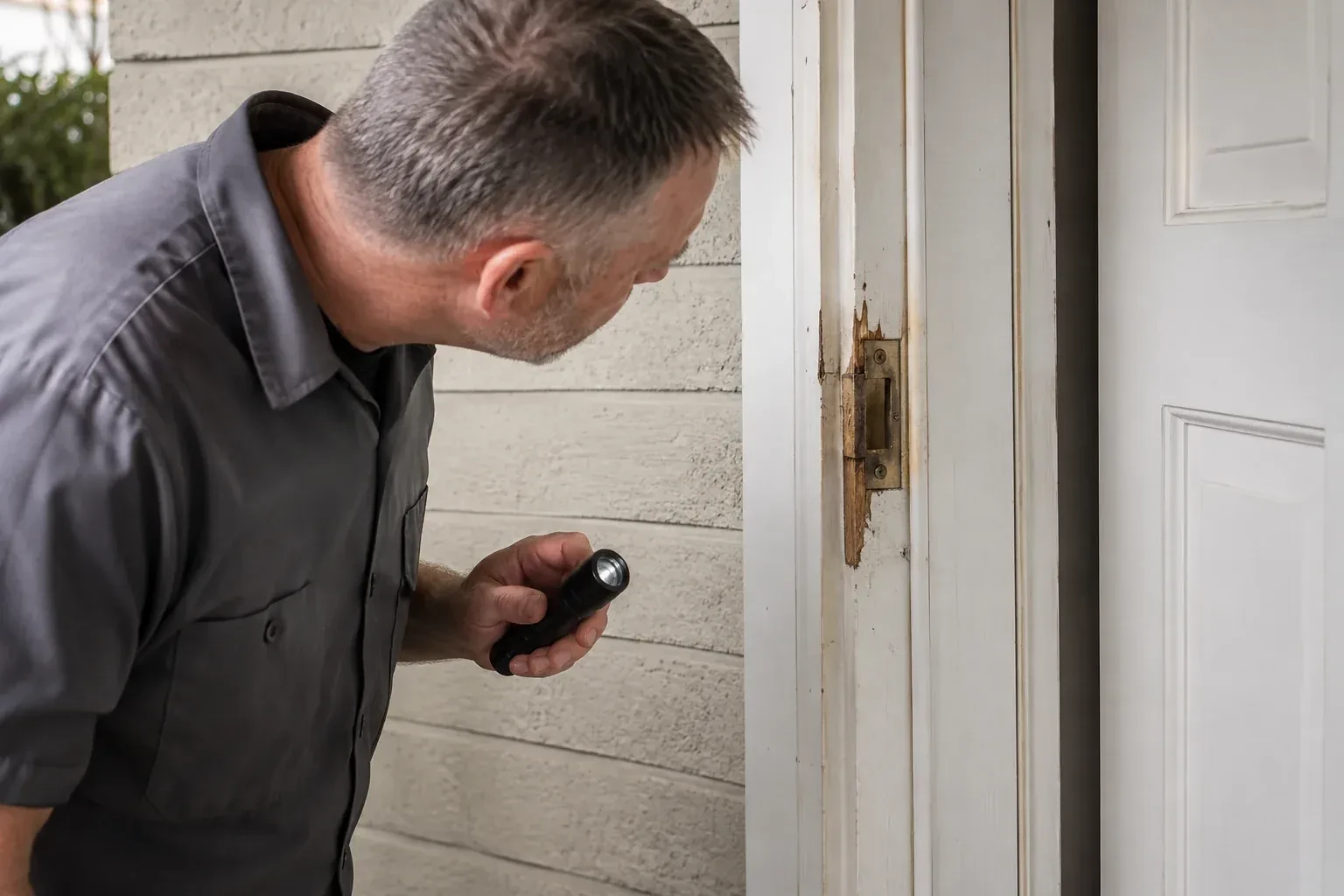
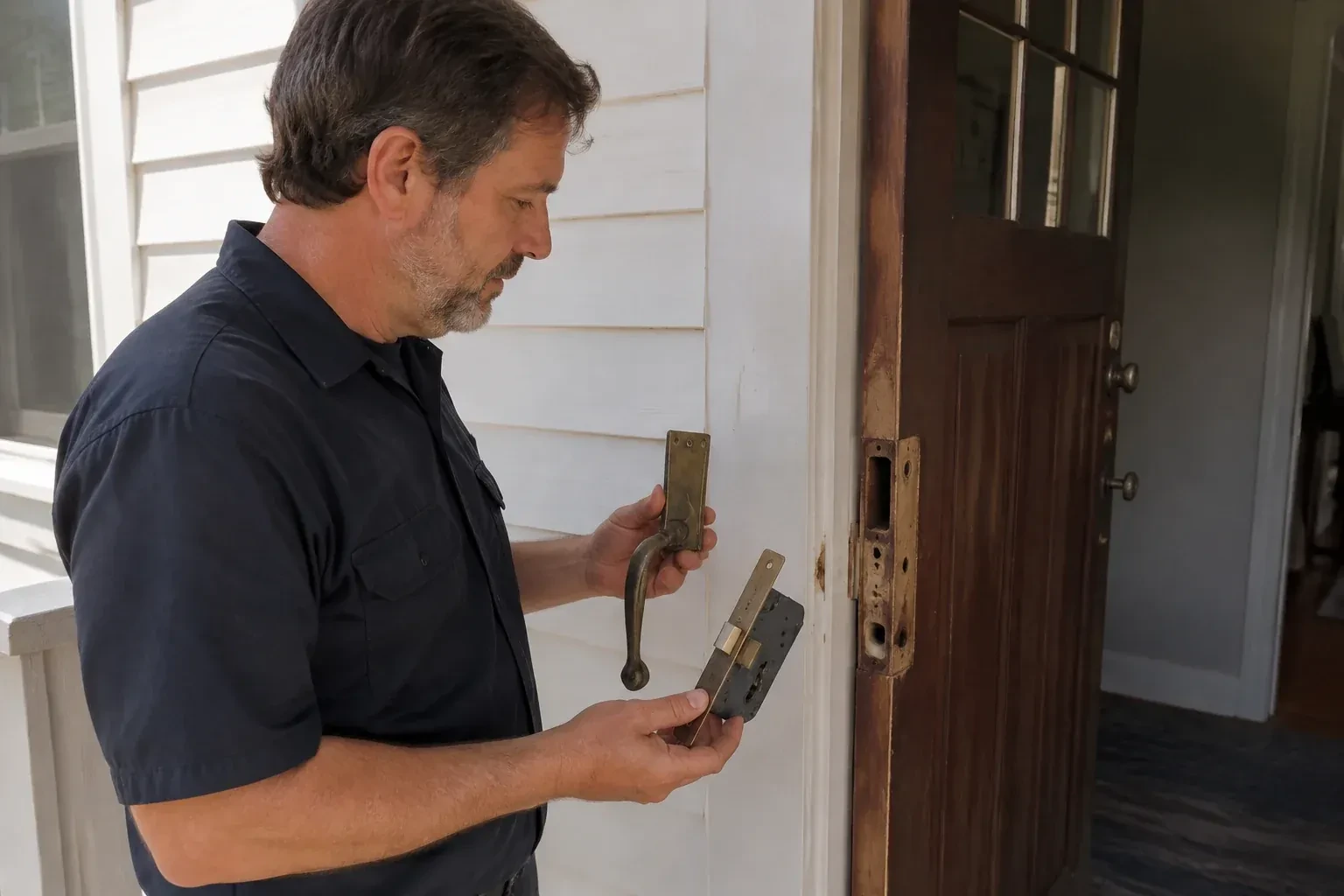
Where housing is mixed, doors that have been replaced sit beside doors that never were. A new door in an old frame, or an old door in a repaired frame, needs its strike and hinges checked together so the whole assembly works as one.
Single-detached houses make up about 48% of homes in Kitchener (2021 Census).
Where the housing is mixed, expectations about what can be changed differ. A homeowner in a house decides everything; a condo owner works within house rules on the outer face. The locksmith knows which conversation to have at which door.
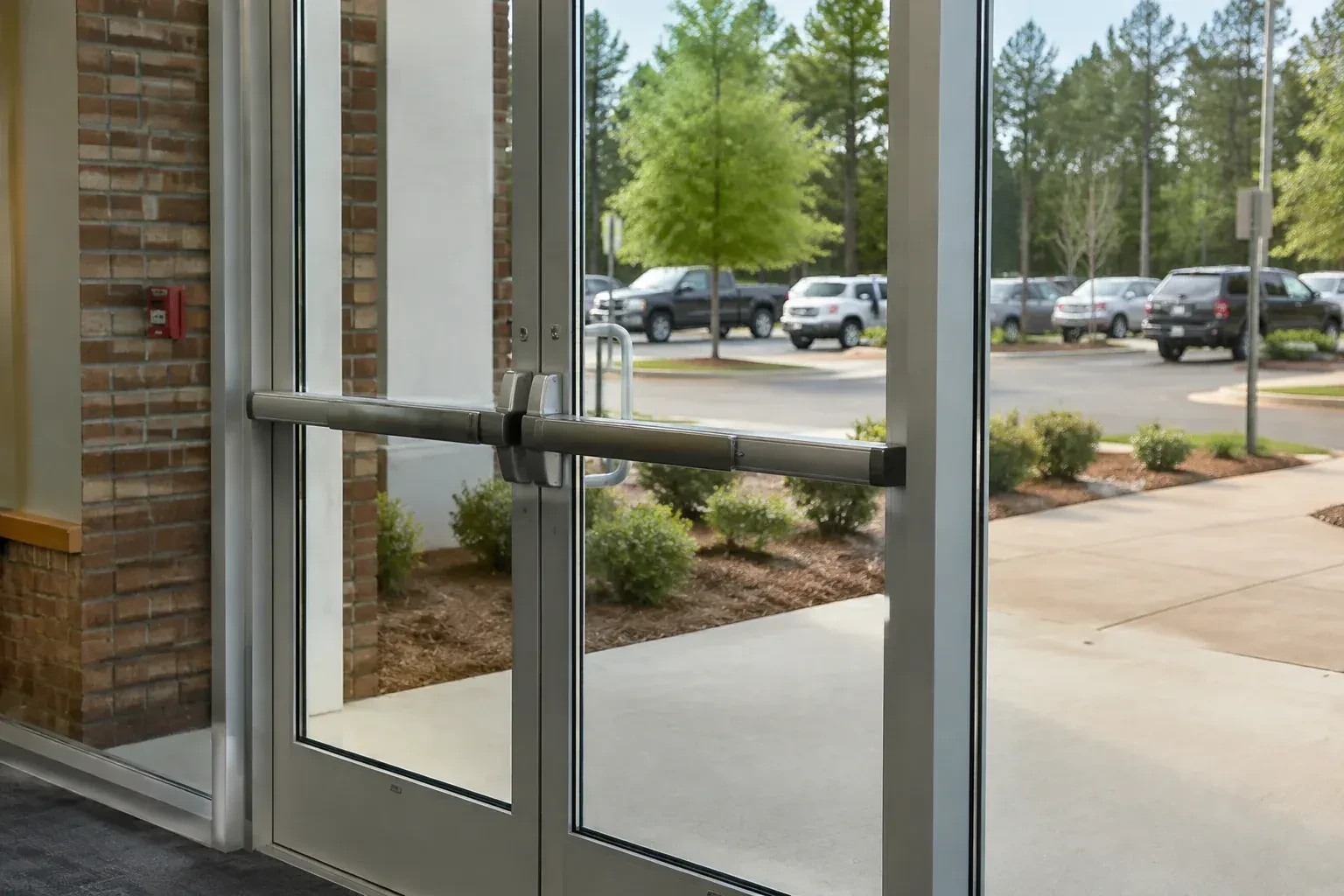
A cook stepped into the alley with the recycling and the rear door swung shut behind him. The push bar works from inside, but the outside handle has a keyed cylinder and the key is hanging in the kitchen office. The front door is locked too.
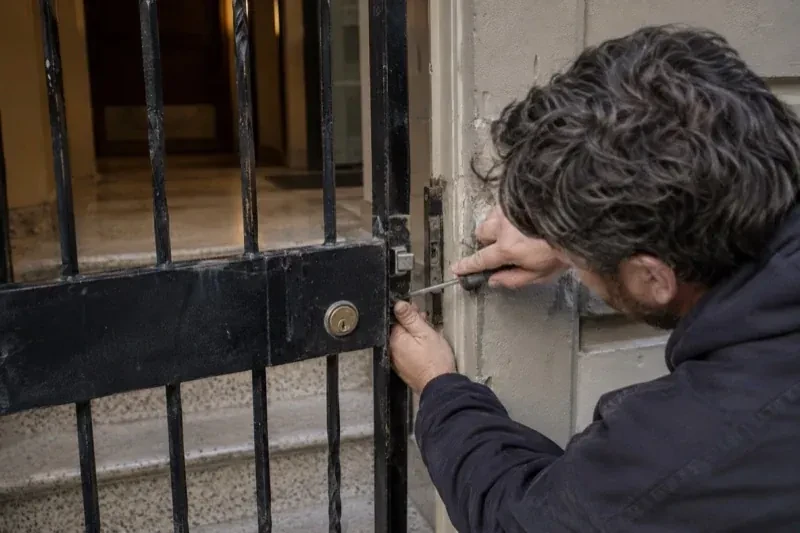
The apartment key snapped mid-turn, leaving the cylinder twisted halfway between locked and open. The building manager's spare is somewhere across town and nobody else has a copy. You are on the wrong side of the door.
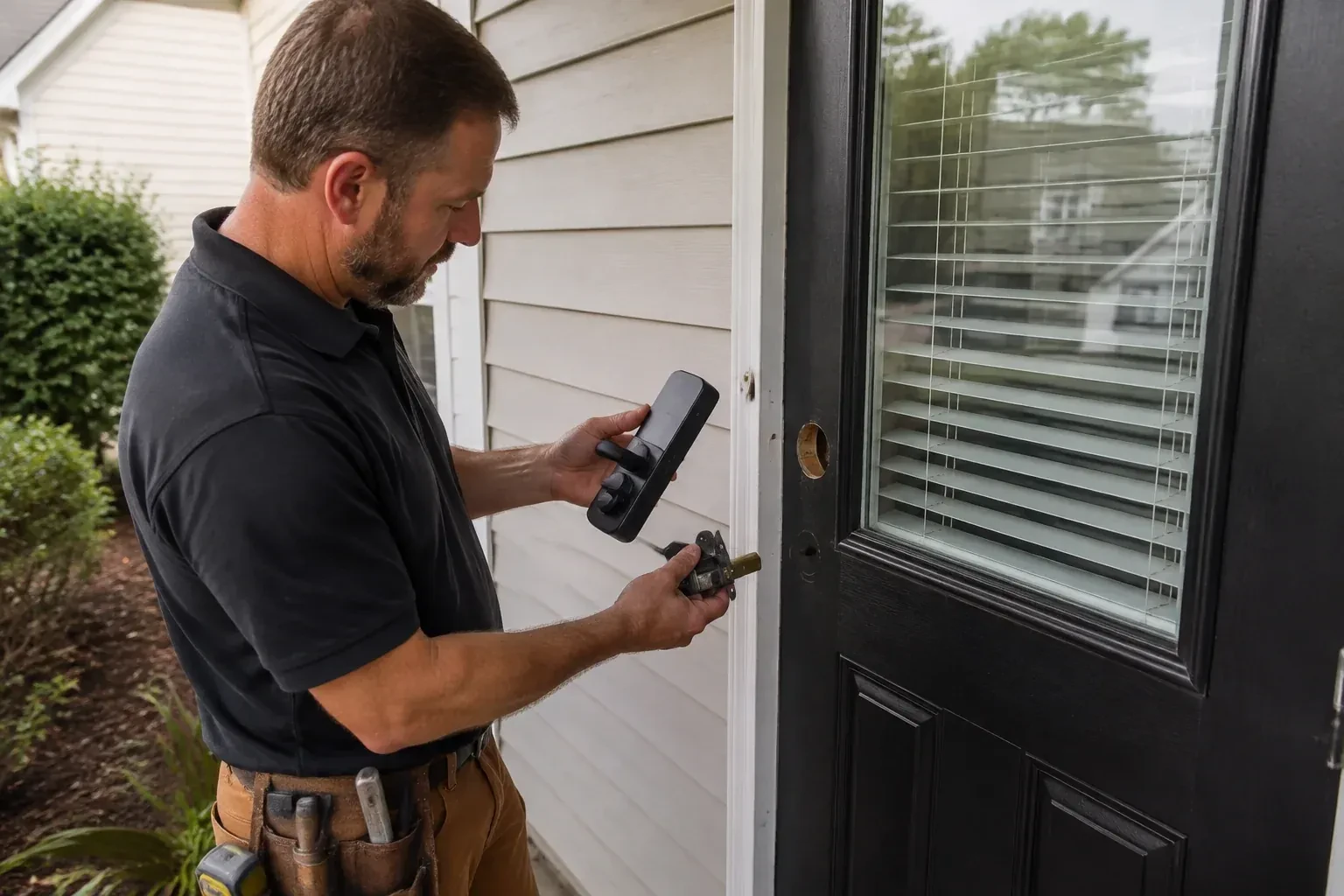
The rental turns over every few months and each time you drive across town to swap keys, then wonder whether copies were made. A lock with codes you can set and erase from your phone would end that cycle.
A visitor buzzes from the panel downstairs, someone presses the button by the door, and nothing happens. The electric strike on the lobby door used to click open on cue; now it stays silent, and residents are propping the entry with a folded flyer instead.
The pharmacy's drop safe has a keypad that finally lost power for good, and the little override key that was supposed to live behind the counter cannot be found anywhere.
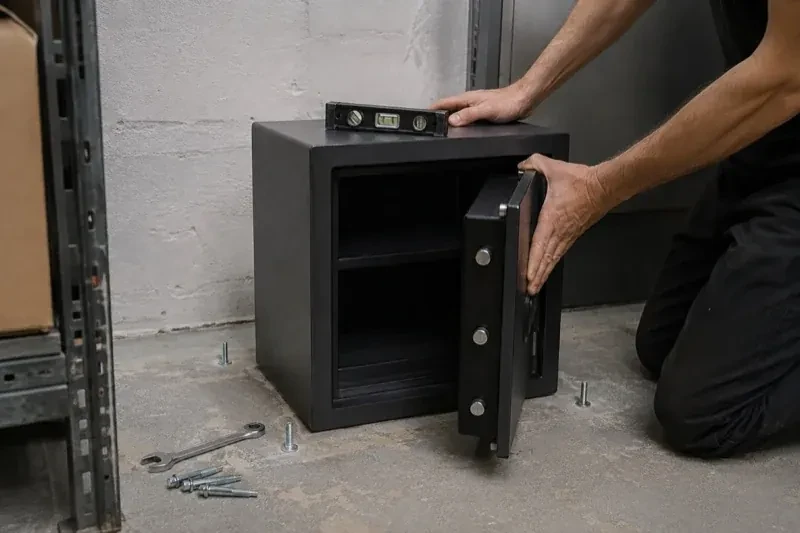
The office is moving three blocks over, and the old commercial safe that has sat bolted to the concrete for fifteen years now needs to come out, travel across town, and go back down just as solidly.
You reached the parking lot after a long hike and the pocket that held your car key is empty. Somewhere along ten kilometres of trail is the only key you own, and the car, your wallet and your dry clothes are all locked behind glass.
After fifteen years the blade has worn to a smooth sliver. It needs a jiggle in the ignition most mornings, this week it took three tries, and a copy cut from that same worn key would only carry the wear forward.
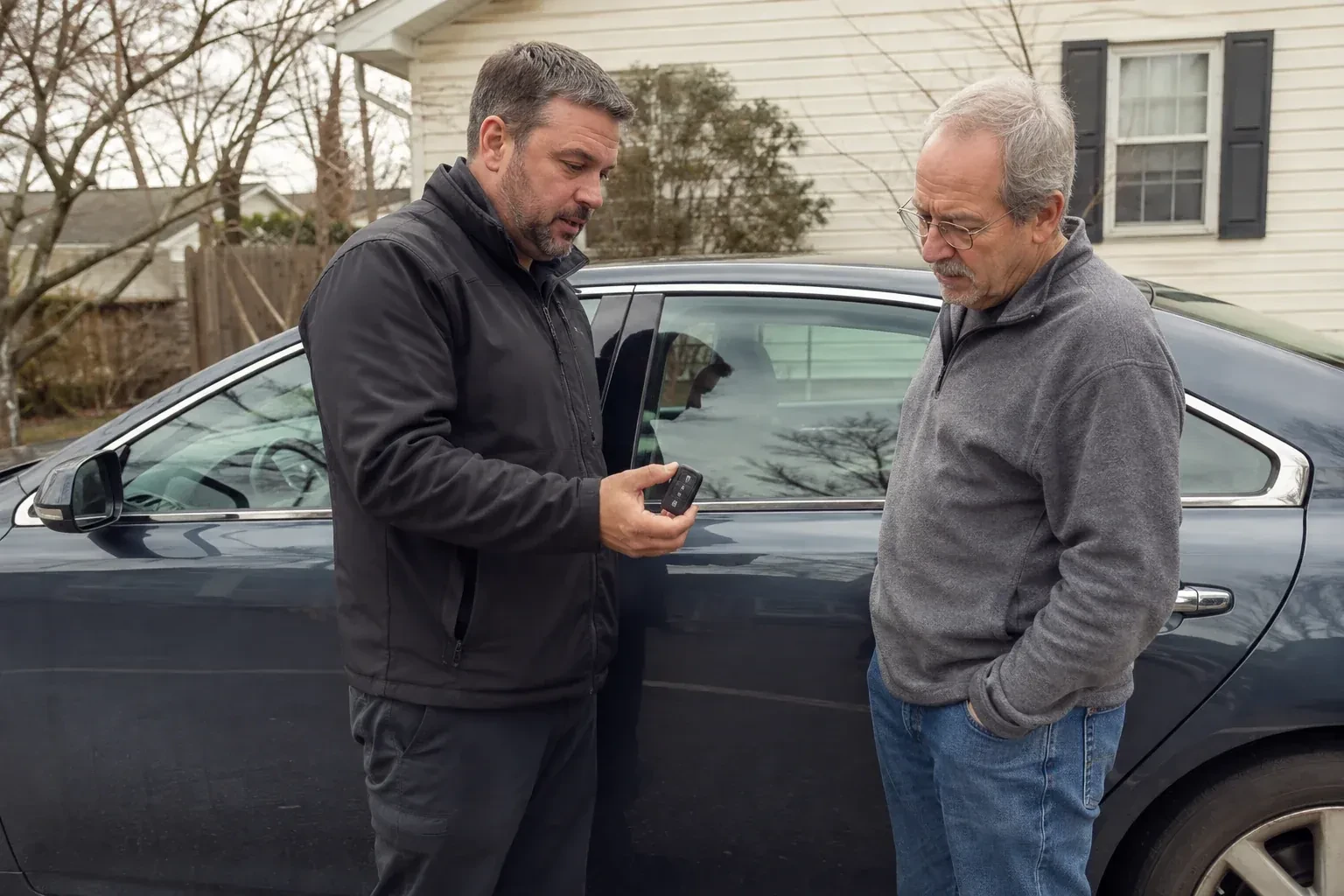
The blade on the everyday key has gone shiny and thin along one edge, and lately it needs a wiggle before the ignition catches. Nobody wants to be holding a failing original with nothing waiting in reserve if it finally gives out.
Access control does not have to mean a control room. For a small office it can be a single keypad on the staff door with a code that changes whenever a staff member moves on. These pages start small and scale up with the building.
A community group counts the weekend's raffle and bake-sale cash on a kitchen table, then carries it home in a tote bag until the bank opens Monday, because there has never been anywhere safer to leave it.
Which fix fits?
A cook stepped into the alley with the recycling and the rear door swung shut behind him.
WhyA smart lock fitted by a locksmith keeps a way in that works when the battery or network fails, a mechanical key on many models or an external battery contact on key-free ones.
A visitor buzzes from the panel downstairs, someone presses the button by the door, and nothing happens.
WhyGate hardware tends to struggle most in the season that stresses it hardest, and a cylinder or closer that has been sluggish all autumn rarely improves once the weather turns.
The pharmacy's drop safe has a keypad that finally lost power for good, and the little override key that was supposed to live behind the counter cannot be found anywhere.
WhyChanging a combination is not only for a safe that has stopped opening.
The office is moving three blocks over, and the old commercial safe that has sat bolted to the concrete for fifteen years now needs to come out, travel across town, and go back down just as solidly.
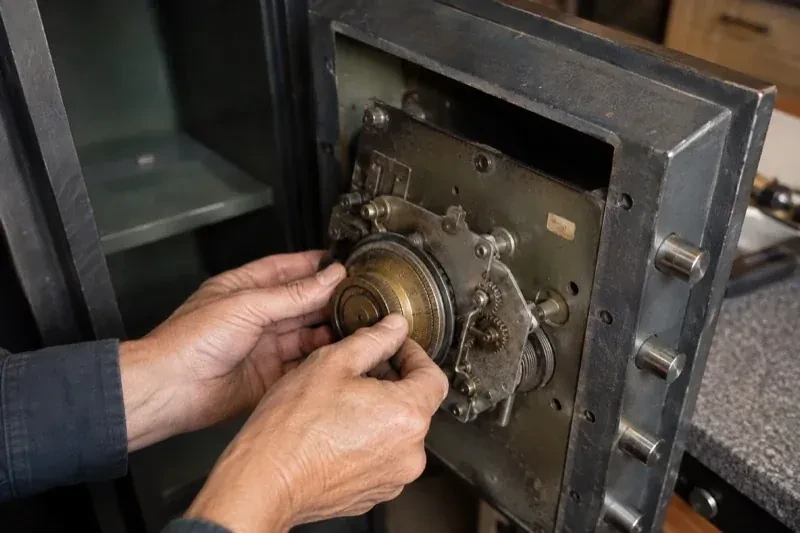
WhyThe lock on a safe is either a mechanical dial built around a wheel pack and gates, set and tested by a trained hand, or an electronic keypad running on batteries, and each has its own service needs.
You reached the parking lot after a long hike and the pocket that held your car key is empty.
Our alarm is armed. What happens when you open the door?
The opening is planned around it. Before any work, the person with the alarm code is ready to disarm, and where a monitoring company is involved they can be told to expect an entry at that address. If the contact trips anyway, the authorised person speaks to the station with the account password. Nothing about the alarm is bypassed; the door is opened, the system is disarmed normally, and the event is logged like any other.
My car key snapped in the door. Is that a locksmith job?
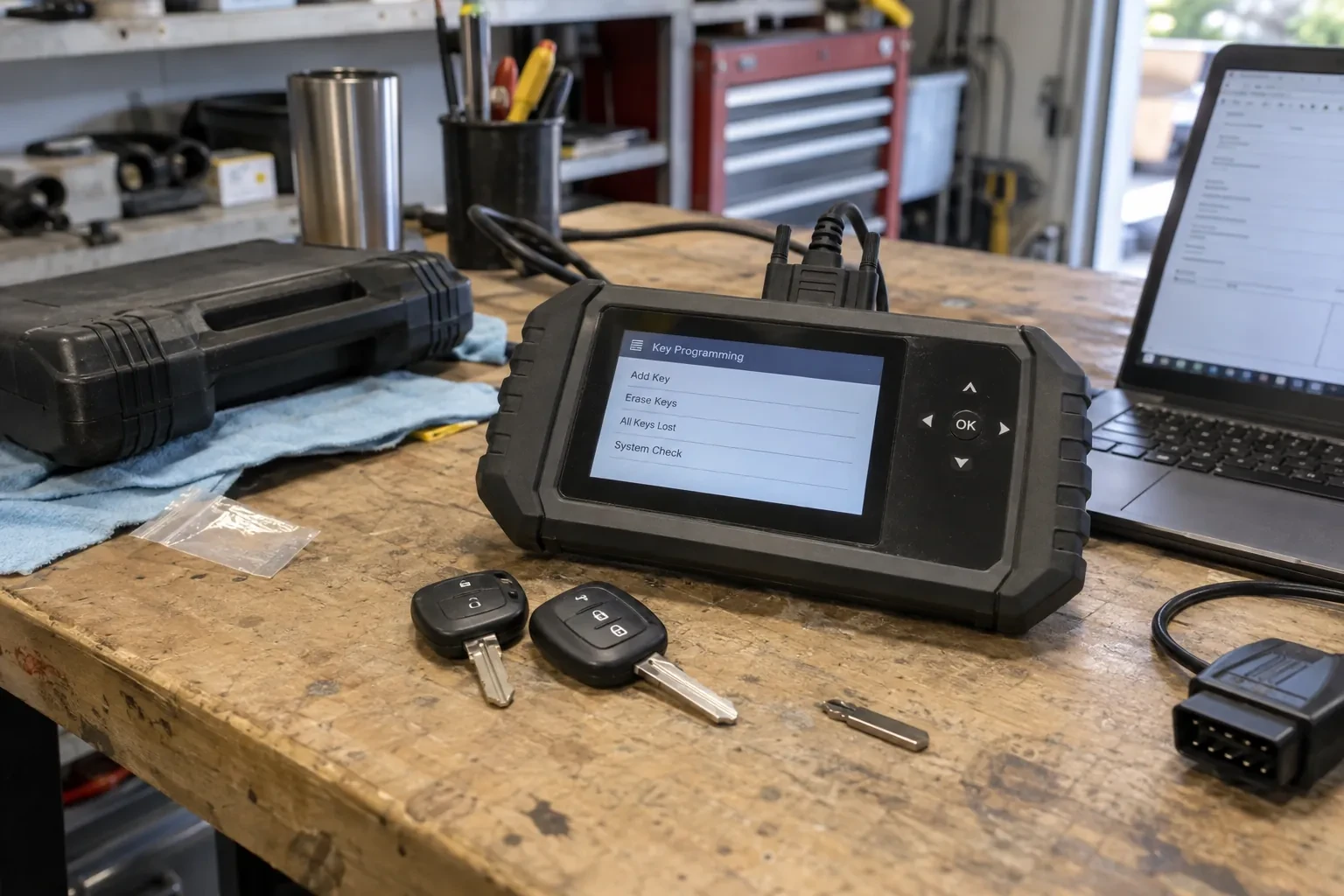
Yes. Vehicle door locks and ignitions use wafer cylinders that respond to the same extractor tools. Once the blade is out, the plastic head you are holding, which carries the transponder chip and any remote buttons, can usually take a freshly cut blade so the car keeps recognizing it. The ignition is checked as well, since a broken key sometimes disturbs the wafers.
Fingerprint, fob, code or phone: which is worth having?
It depends on who uses the door. Codes suit everyone and need nothing in hand. Fobs or cards are a favourite for children and for anyone who finds small buttons difficult, since a tap does it. Fingerprint readers are convenient for a household of adults but can be fussy with cold, wet or gloved hands in winter, so pair them with a code. Phone control is for whoever wants alerts and remote checks. Most families end up using two of these.
What can be done about salt and corrosion on outdoor gate hardware?
Choosing corrosion-resistant fasteners and a cylinder rated for weather exposure at the outset avoids most of the problem, since plain steel fittings near a driveway or walkway take the brunt of de-icing salt over a winter. For hardware that already shows early corrosion, cleaning and a dry lubricant can extend its working life, while pitted or seized parts are better replaced than fought with season after season. A rinse of the hardware after a heavy salt application is a simple habit that helps as well.
My safe was in a fire or a flood. Does that change how it gets opened?
It can. Heat or water exposure sometimes trips a relocker or damages the bolt work independently of the combination lock, so the locksmith checks for that first rather than assuming the lock itself has failed. A safe with fire-rated insulation may also need that lining checked once open, separately from the lock work.
Do you deliver and move the safe, or do I need to arrange that?
Delivery and the final move into position are part of the service, using equipment suited to the safe's actual weight rather than improvising with furniture dollies or straps meant for lighter loads. The route in is measured ahead of time so doorways, stairs, and tight turns are accounted for before the unit arrives, which avoids a surprise at the one hallway that turns out to be too narrow.
My keys are in the trunk. Do you have to open the trunk lock?
Almost never. Where the cabin has a usable path, it is opened first and the trunk released from inside using the release lever or the fold-down rear seat; the glowing emergency handle is mounted inside the trunk itself for a trapped occupant, and some vehicles have no cabin release at all. The lid is never forced. If the car has a valet setting that isolates the trunk, the trunk cylinder is decoded and turned like a door cylinder, again without marks.
The fob died in the cold. Is that a battery or the key?
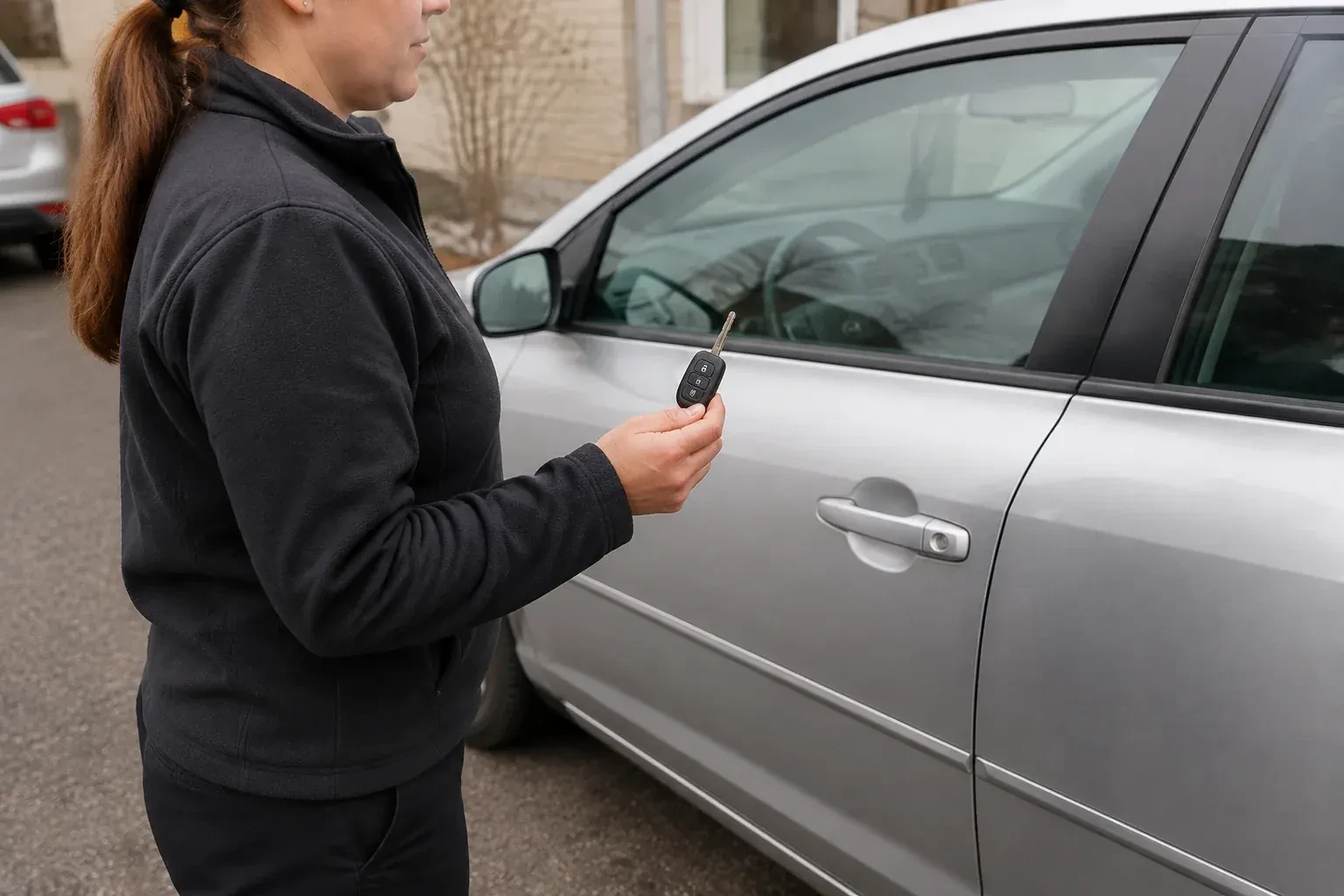
Almost always the battery. Coin cells deliver less in deep cold, and a cell that was already weak goes quiet on the first bitter morning. Most cars still start with a flat fob if it is pressed to the start button or laid in a marked slot, and the emergency blade opens the door. Replace the cell, and if the fob stays silent with a fresh one, the remote board or a corroded contact is the next thing to look at.
Can one key work for two vehicles?
Sometimes, when both vehicles share a compatible lock family and immobilizer system, most often two vehicles from the same manufacturer and a similar era. Sharing a keyway is not enough on its own: the two locks also need a bitting that satisfies both, or one vehicle's cylinders get rekeyed to match, and the transponder has to be capable of authorization on both immobilizers. Where they do not line up, the practical answer is two separate keys carried together on one ring.
Request a visit
The company covers Parkway around the clock, and the visit costs the same whenever it happens. The locksmith who arrives at midnight is the same one you would see at midday, with the same stocked van and the same habit of explaining first. A lockout is stressful enough without wondering whether the hour changed anything about the service.