Locksmith in Centreville, OntarioAfter a break-in,the door comes first
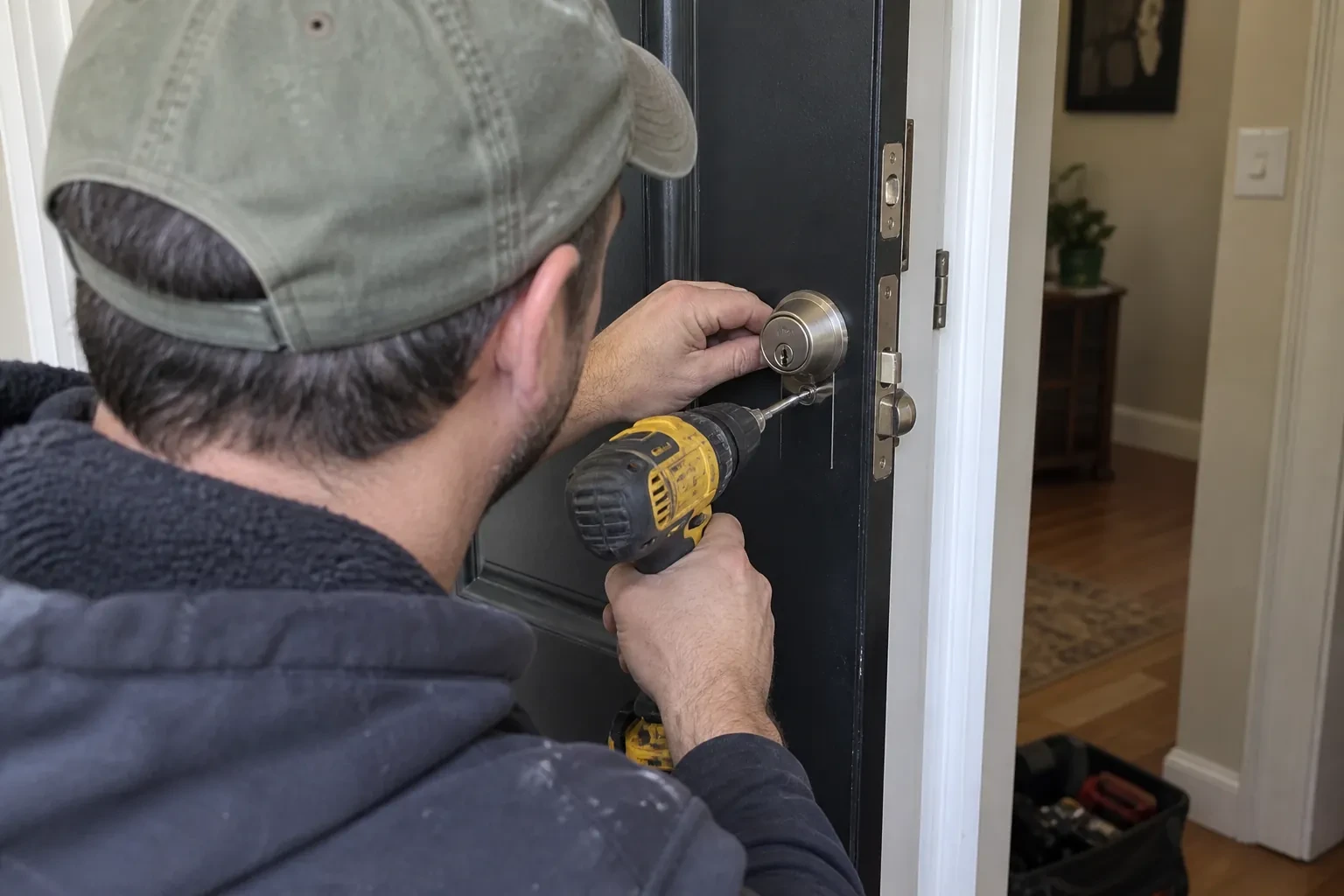
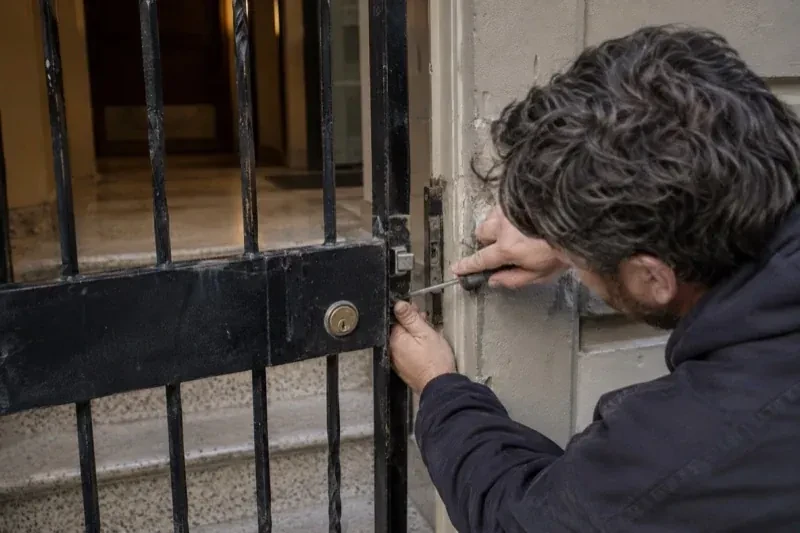
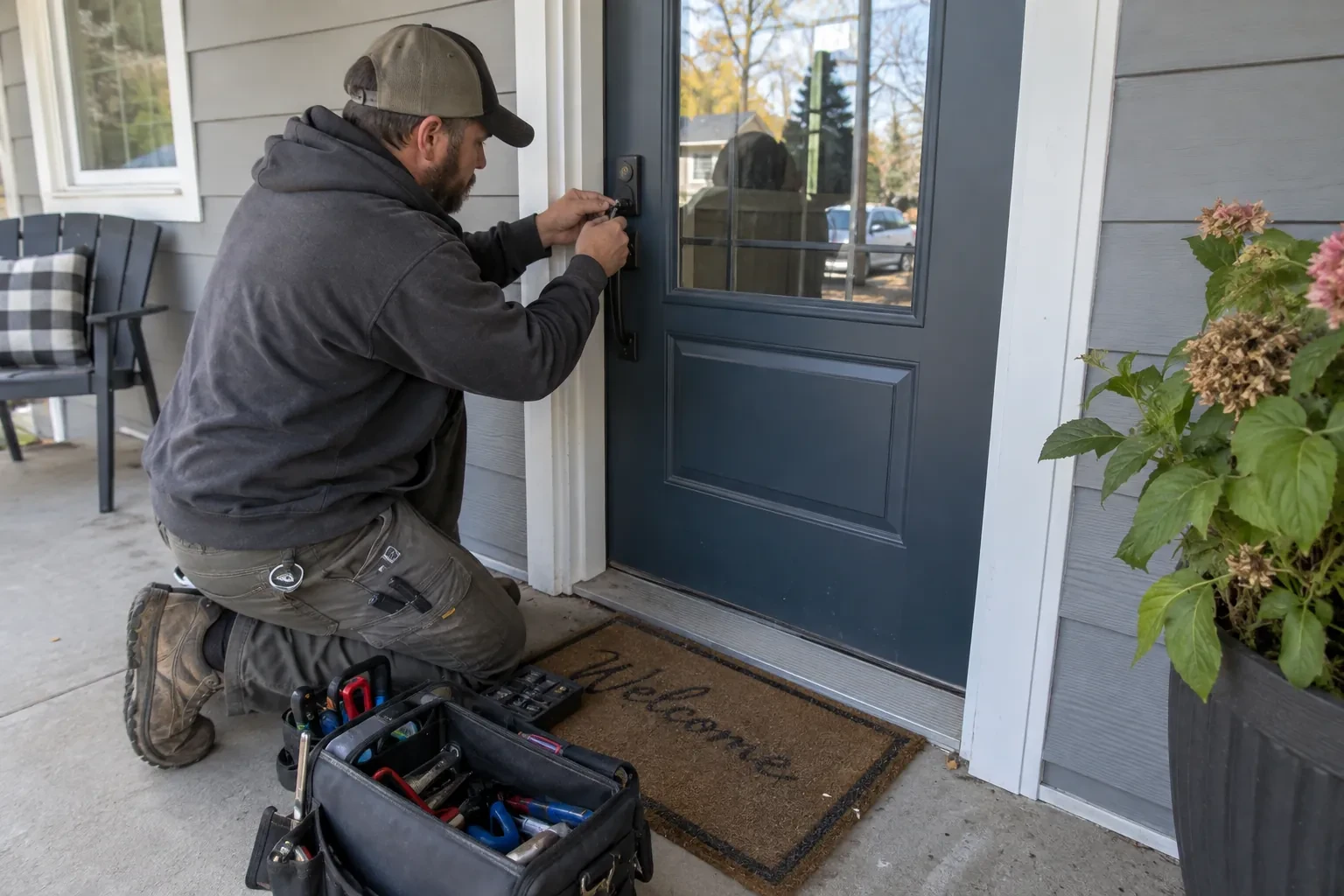
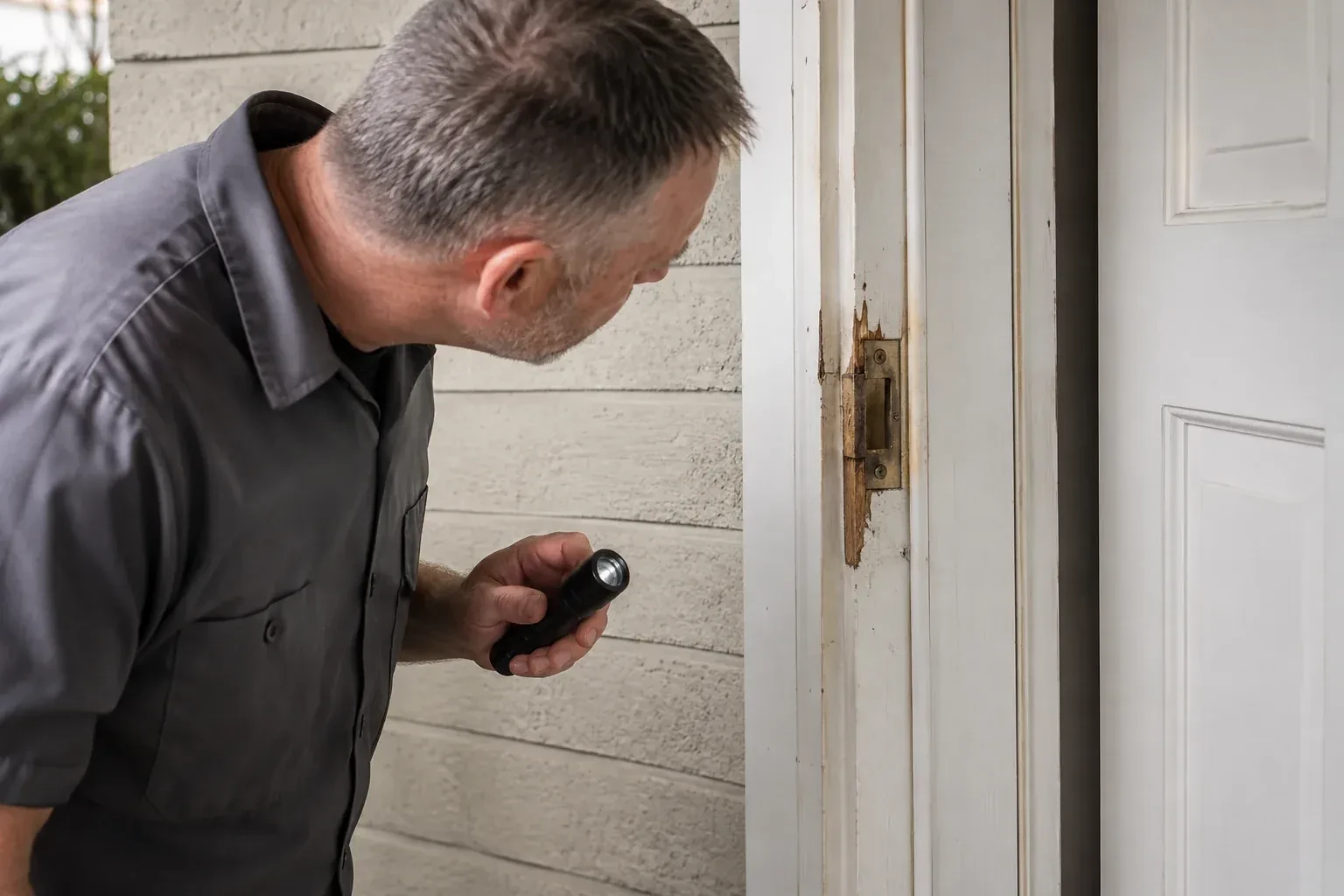
Once the report is filed, the door still has to lock tonight. In Centreville we repair split frames and bent strikes, replace damaged cylinders, rekey anything that might have been compromised, and talk through sensible upgrades later, once the house feels like yours again.
Once the report is filed, the door still has to lock tonight. In Centreville we repair split frames and bent strikes, replace damaged cylinders, rekey anything that might have been compromised, and talk through sensible upgrades later, once the house feels like yours again.
Locks, keys and doors, done properly.
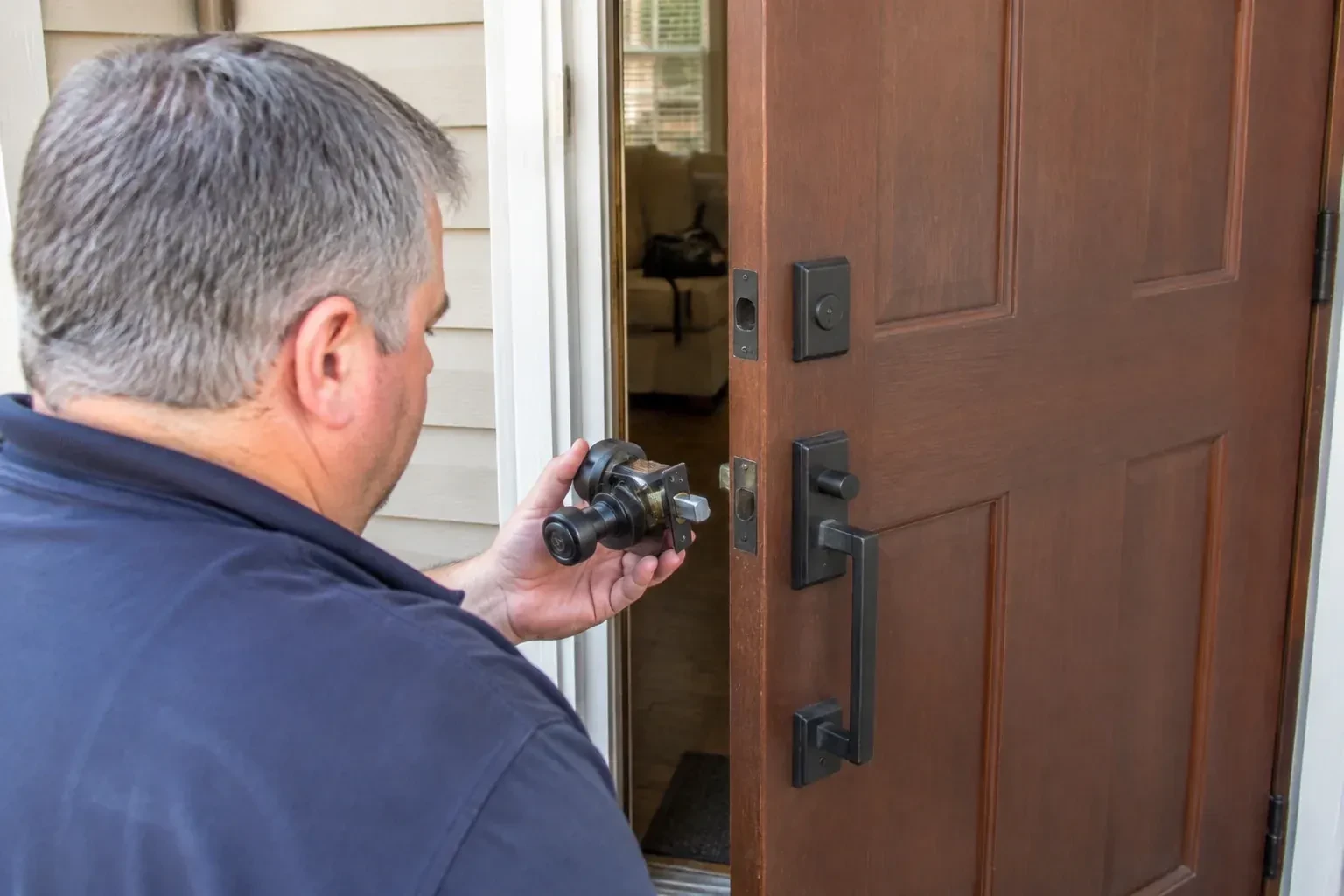
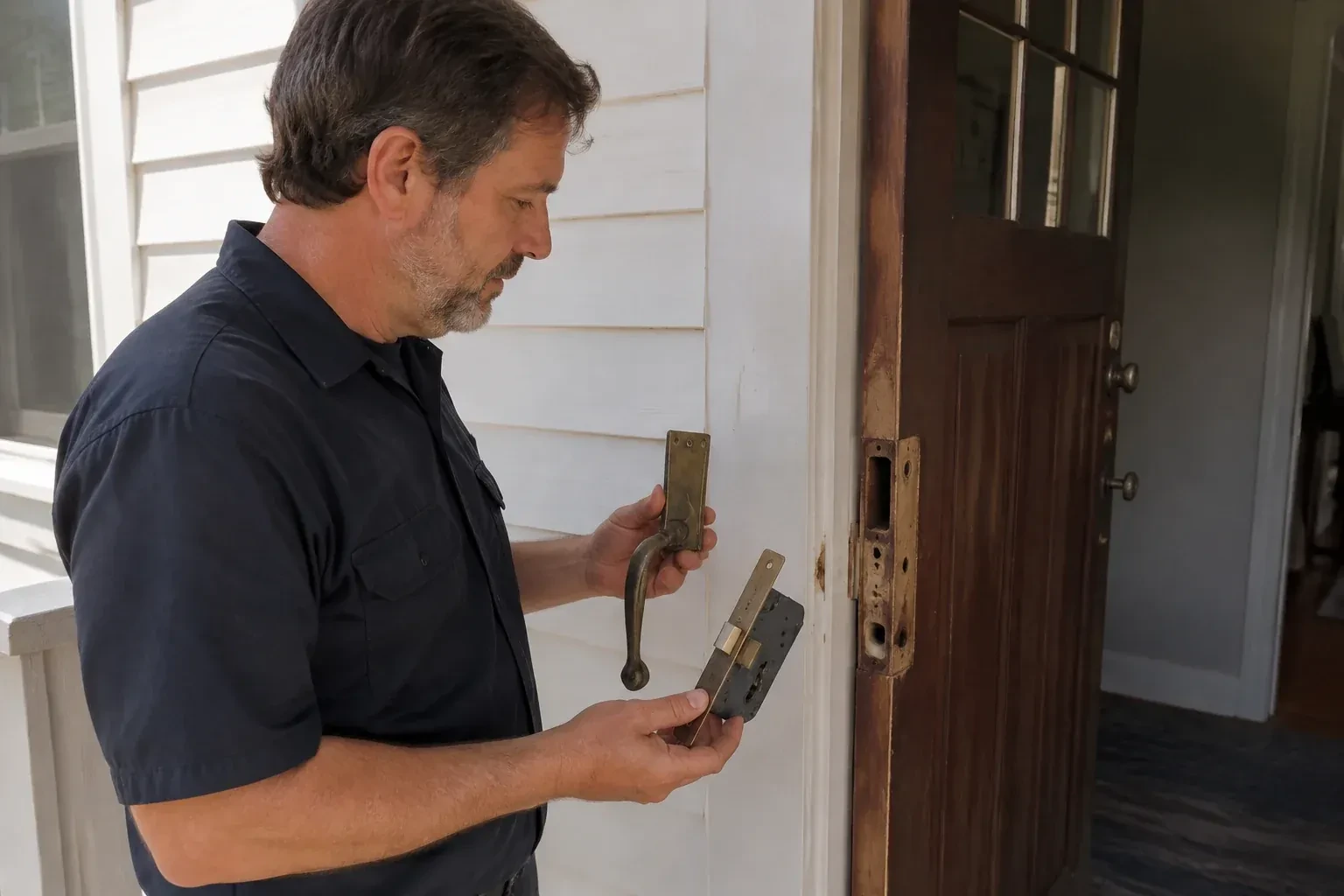
Older houses in Centreville get a locksmith who respects them. We work around original trim, keep period hardware where it can be kept, and match finishes when something new is needed so the door still looks like it belongs to the house. Modern security can sit behind a hundred-year-old face; that is a matter of choosing parts carefully.
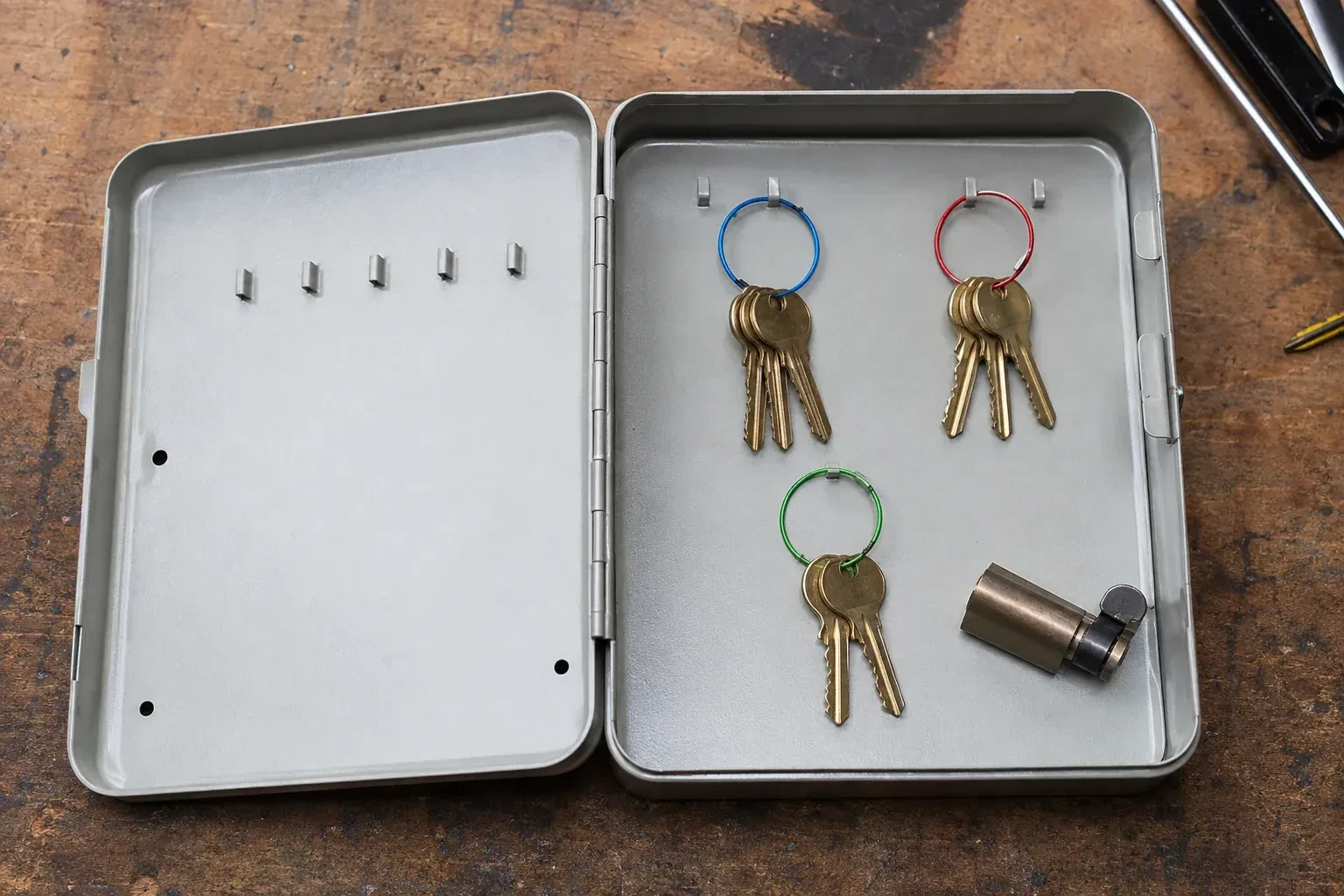
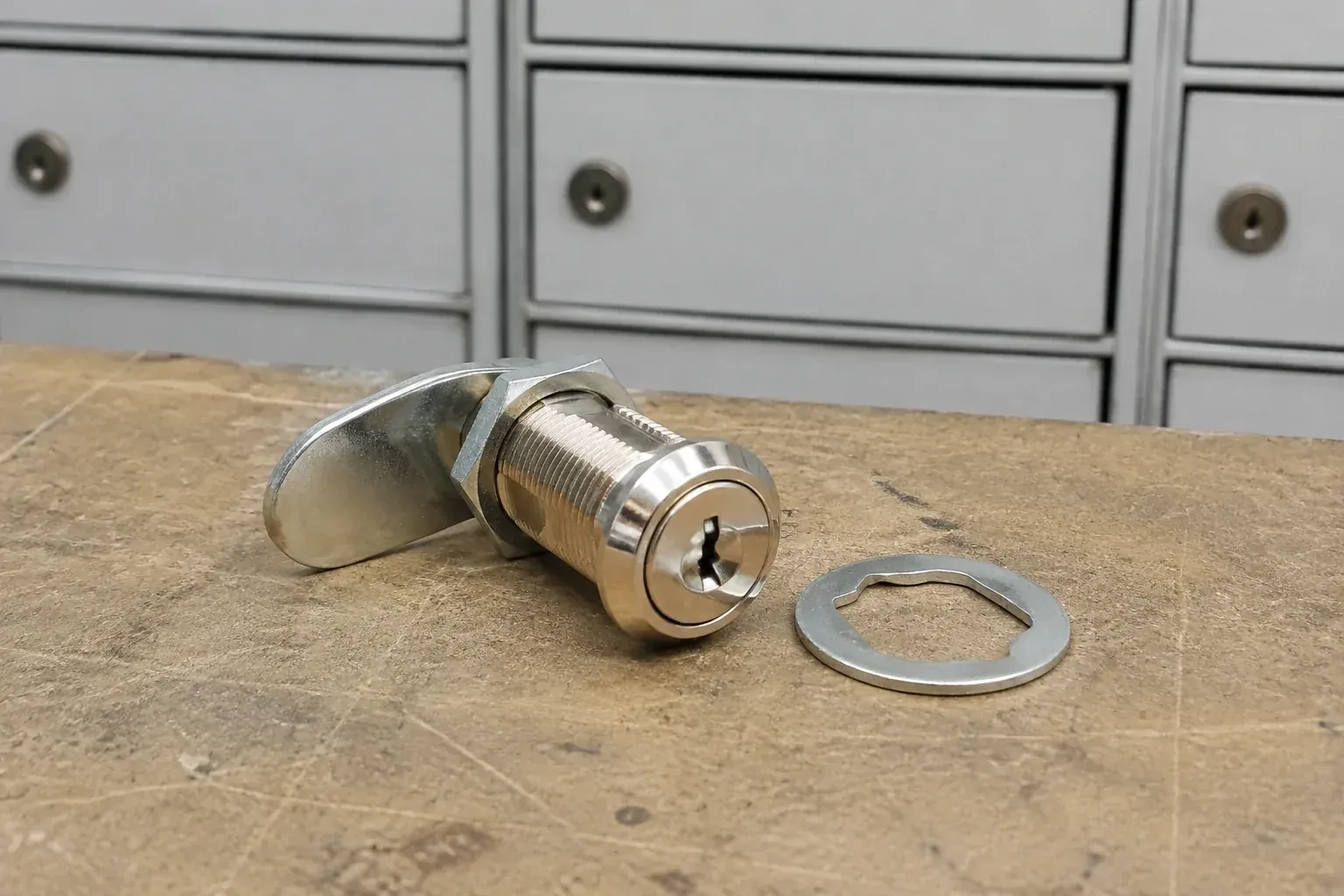
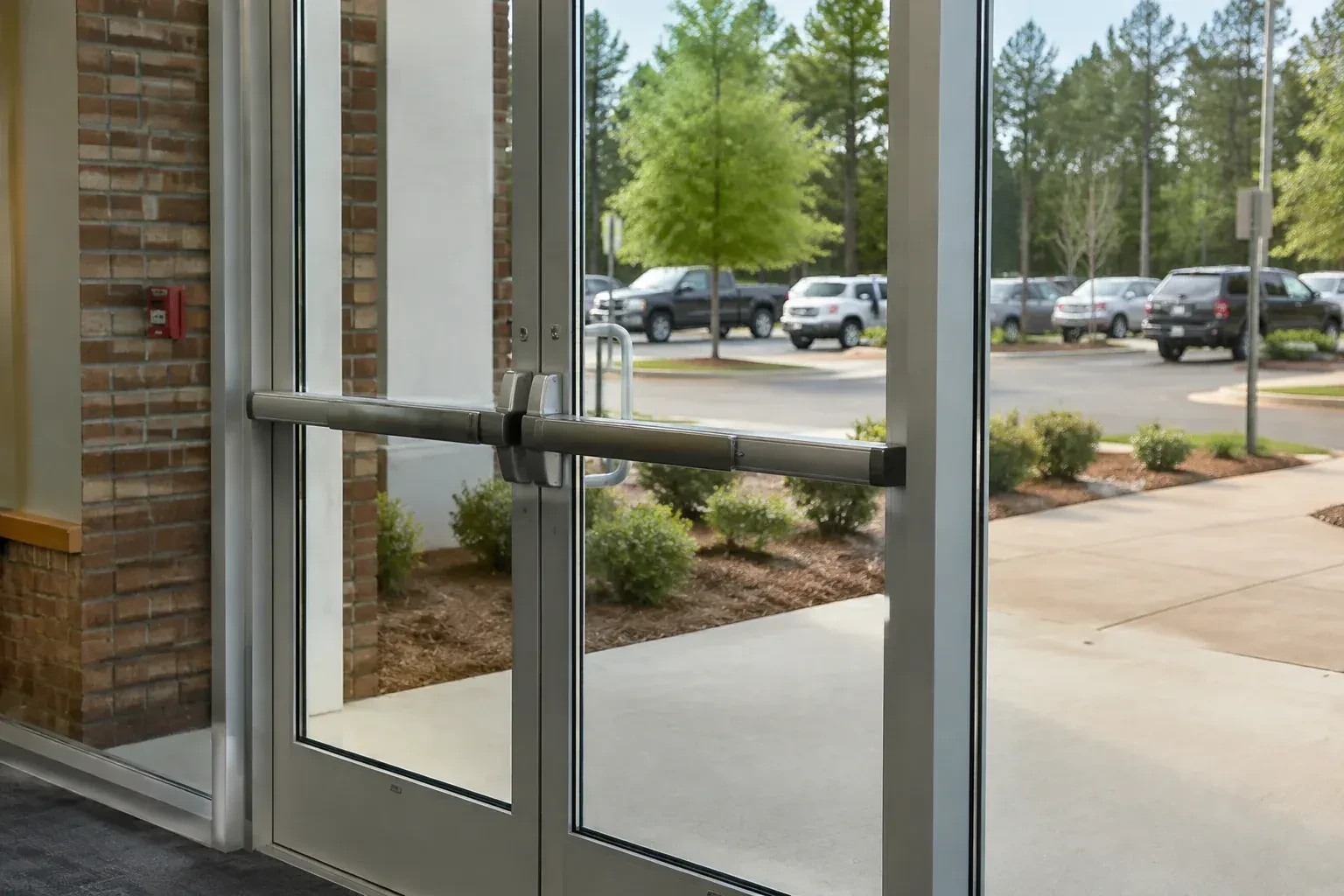
Business owners in Centreville sometimes discover that nobody knows how many keys are out there. We help you start again: rekey the important doors, issue labelled keys, keep a record and consider a master system so managers carry one key while staff carry another. It is a sensible reset, done around your hours.
31years in business
24/7open every day
No surprises on the doorstep. What we described on the phone is what we plan to do. If the door tells us something different when we see it, we stop and talk before going further.
Helping you choose well. Hardware ranges from basic to heavy-duty and simple to electronic. We explain the differences that actually matter for your door and leave the choice with you.
Neat work, neatly finished. Holes drilled cleanly, hardware aligned, nothing crooked or forced. A lock should look like it belongs on the door, and we take the time to make sure it does.
A locksmith's week in Centreville is a mix of small fixes and bigger decisions. A cylinder rekeyed after a lost key, a deadbolt added to a door that never had one, a shop rekeyed after staff changes, a safe that finally opens. The pages below describe each service and how the visit usually goes.
About 49% of homes in Kitchener were built in 1980 or earlier, according to the 2021 Census.
Homes of different generations tend to have different key habits. Older houses may have keys copied many times; newer ones may still have contractor keys about. A locksmith in a mixed area asks about both before recommending anything.
Single-detached houses make up about 48% of homes in Kitchener (2021 Census).
Neighbourhoods of houses beside townhouses and low-rise buildings have a range of door constructions: solid wood, steel, fibreglass and metal-clad. A locksmith who works in such an area is used to fitting hardware to all of them without new holes.
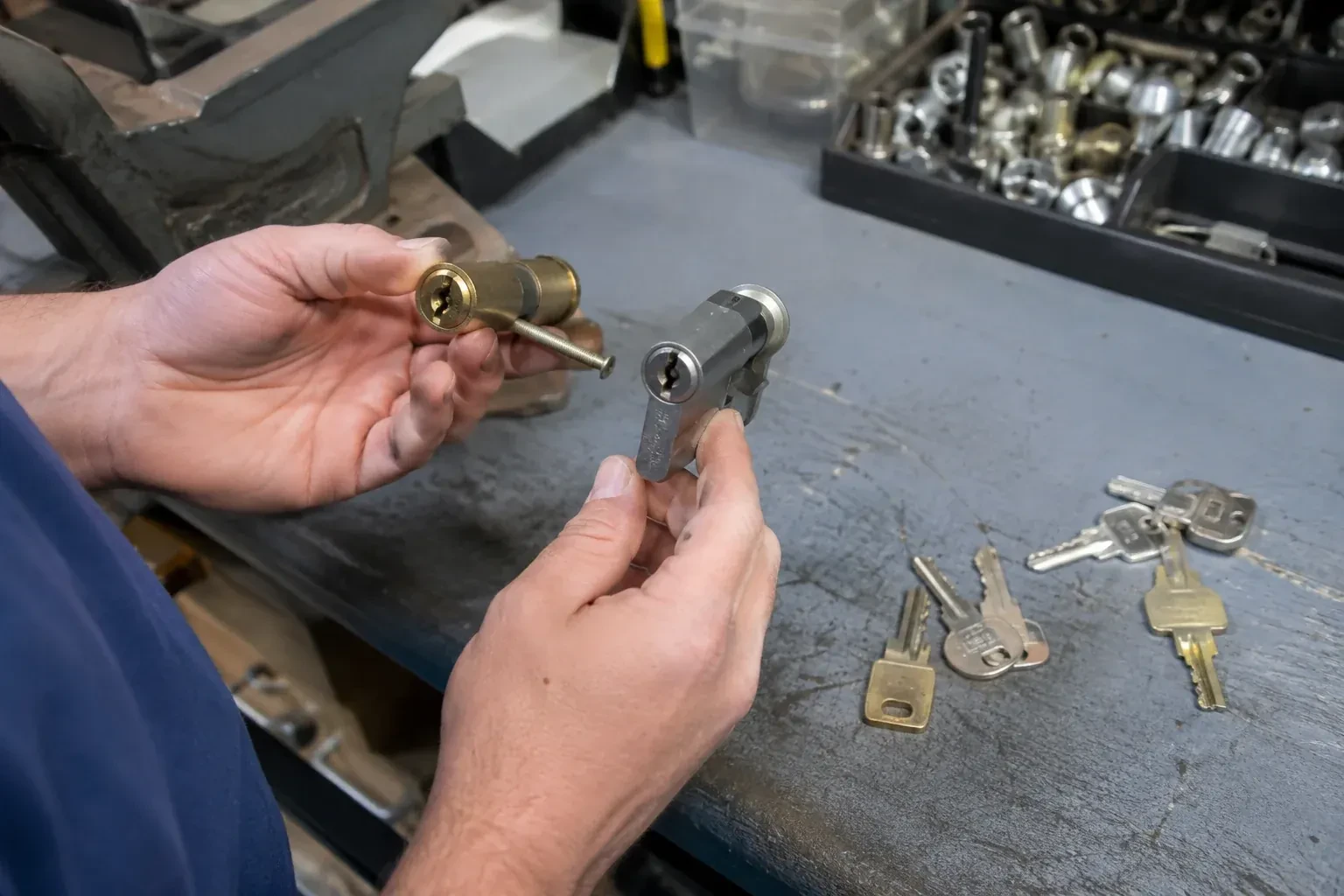
We describe cylinders by what they resist: picking, bumping, drilling, wrenching and pulling. We describe key systems by who can order a copy. Together those two descriptions tell you what a high security upgrade actually changes for your door.
A community group counts the weekend's raffle and bake-sale cash on a kitchen table, then carries it home in a tote bag until the bank opens Monday, because there has never been anywhere safer to leave it.
Which fix fits?
Someone pushed the privacy button on the bathroom door and pulled it shut behind them, leaving the room locked and empty.
WhyKeys break for a reason, and finding that reason is half the visit.
You bought a keypad deadbolt online and pulled the old one off, only to find the hole in the door is a different size and the bolt latch sits at a backset the new kit does not list.
WhyMost of the value in a deadbolt is on the frame side, which is why a good installation spends as much time on the jamb as on the door.
A self-storage operator wants the office, the tenant gate and the equipment shed on three different levels of access for staff, but every lock on the property currently answers to the same handful of interchangeable keys handed out over the years.
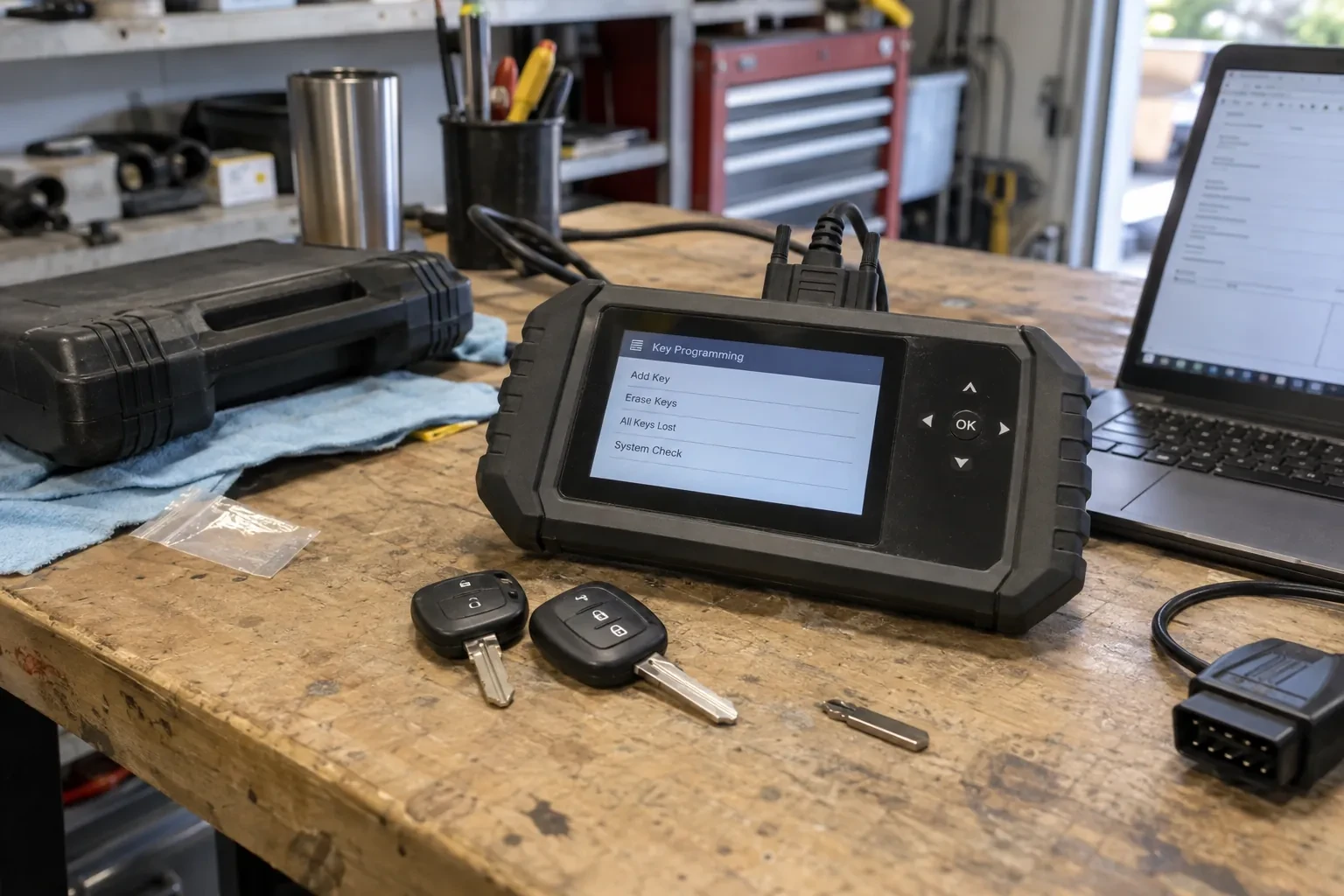
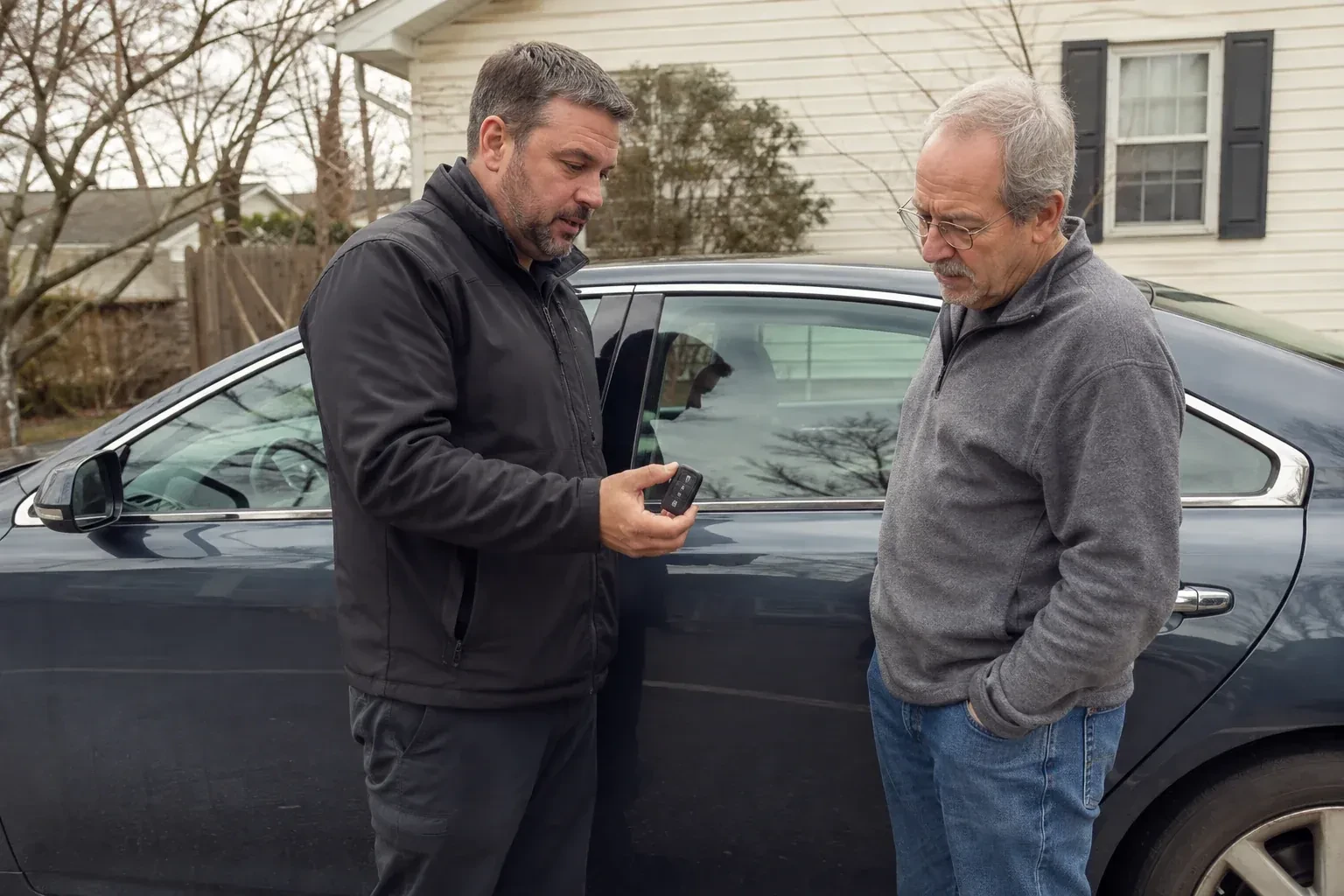
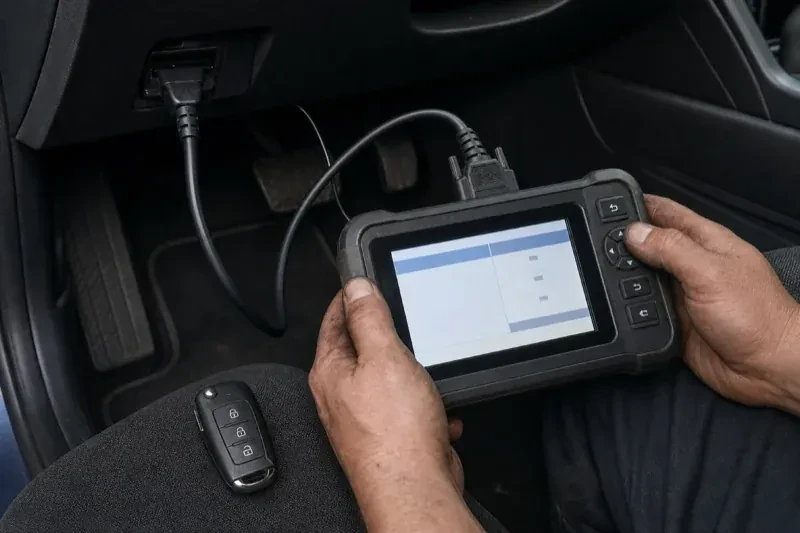
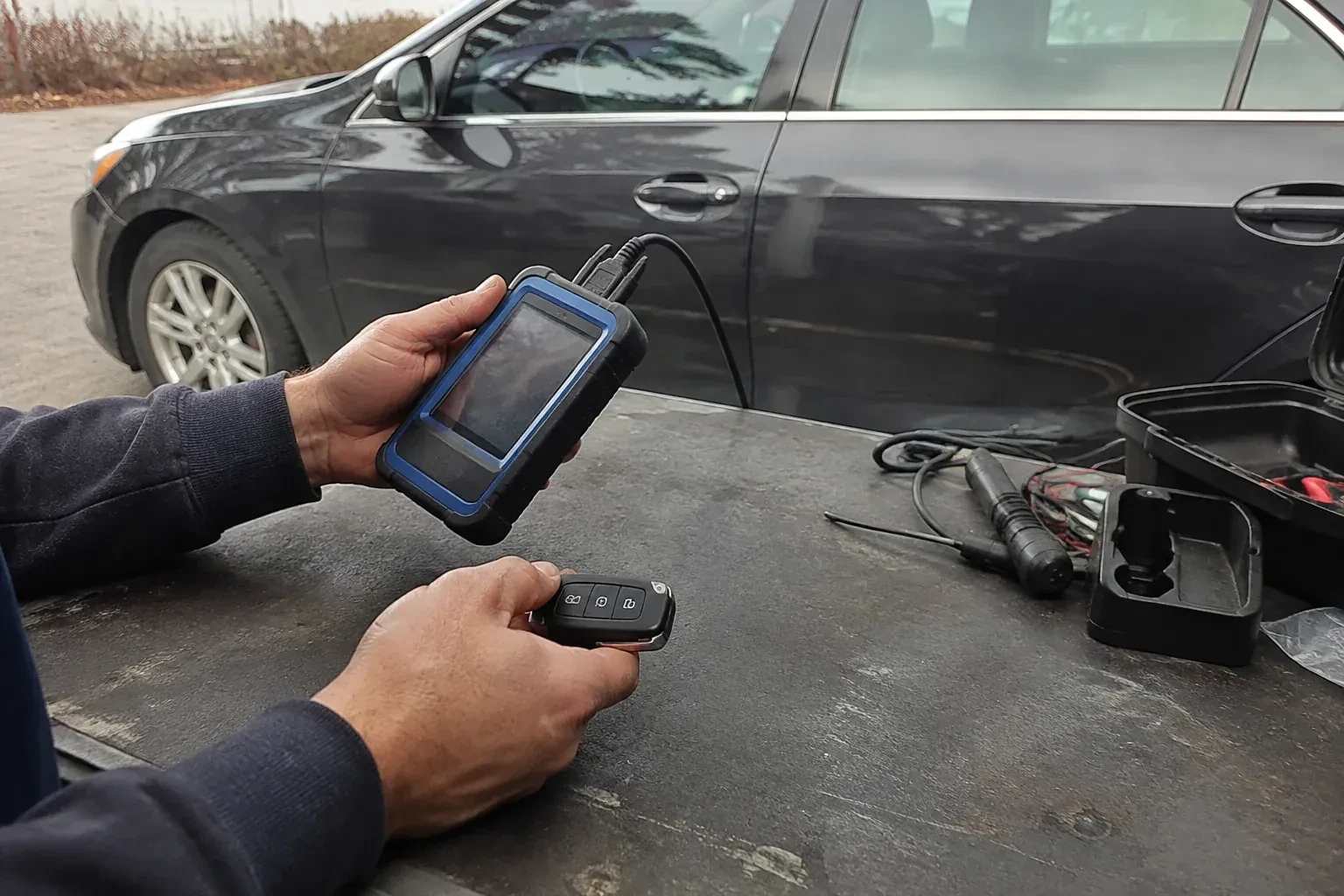
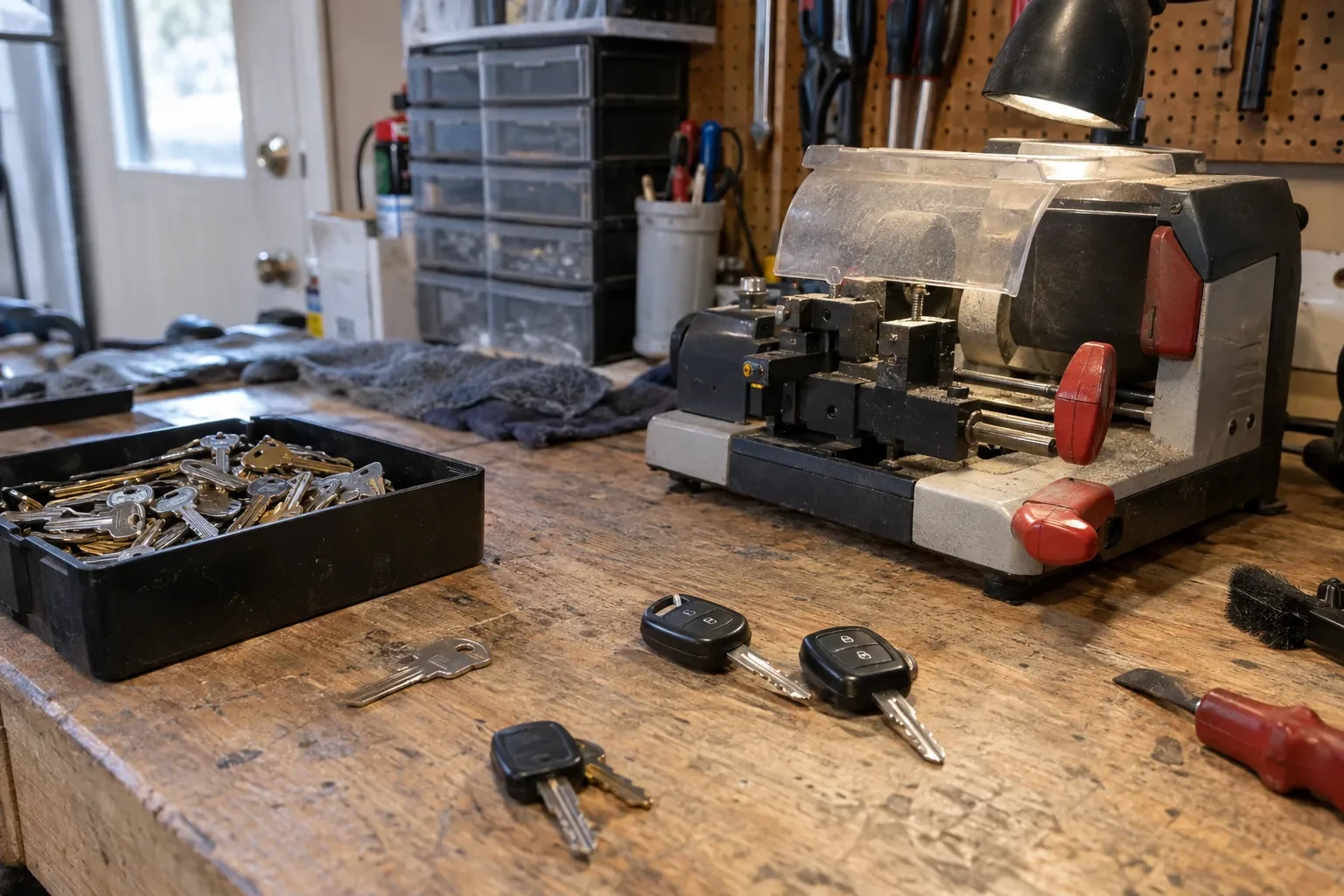
WhyA modern car key is often two systems living in one housing: the transponder, a chip with no battery of its own that only the immobilizer needs to see, and the fob, a battery-powered remote that handles locking, unlocking and alarm functions from a distance.
How a visit goes
Describe the property, the hardware and what has changed, and the visit starts from what you have seen.
1
2
3
01
Walking the door with you
We look at the cylinder, the bolt, the strike, the hinges and any glass nearby, and say plainly which parts are sound and which are thin.
02
Choosing the level together
A graded deadbolt with a patented cylinder for most homes, rated cylinders and heavier lock bodies for businesses. You pick the doors and the depth.
03
Fitting, keying and registering
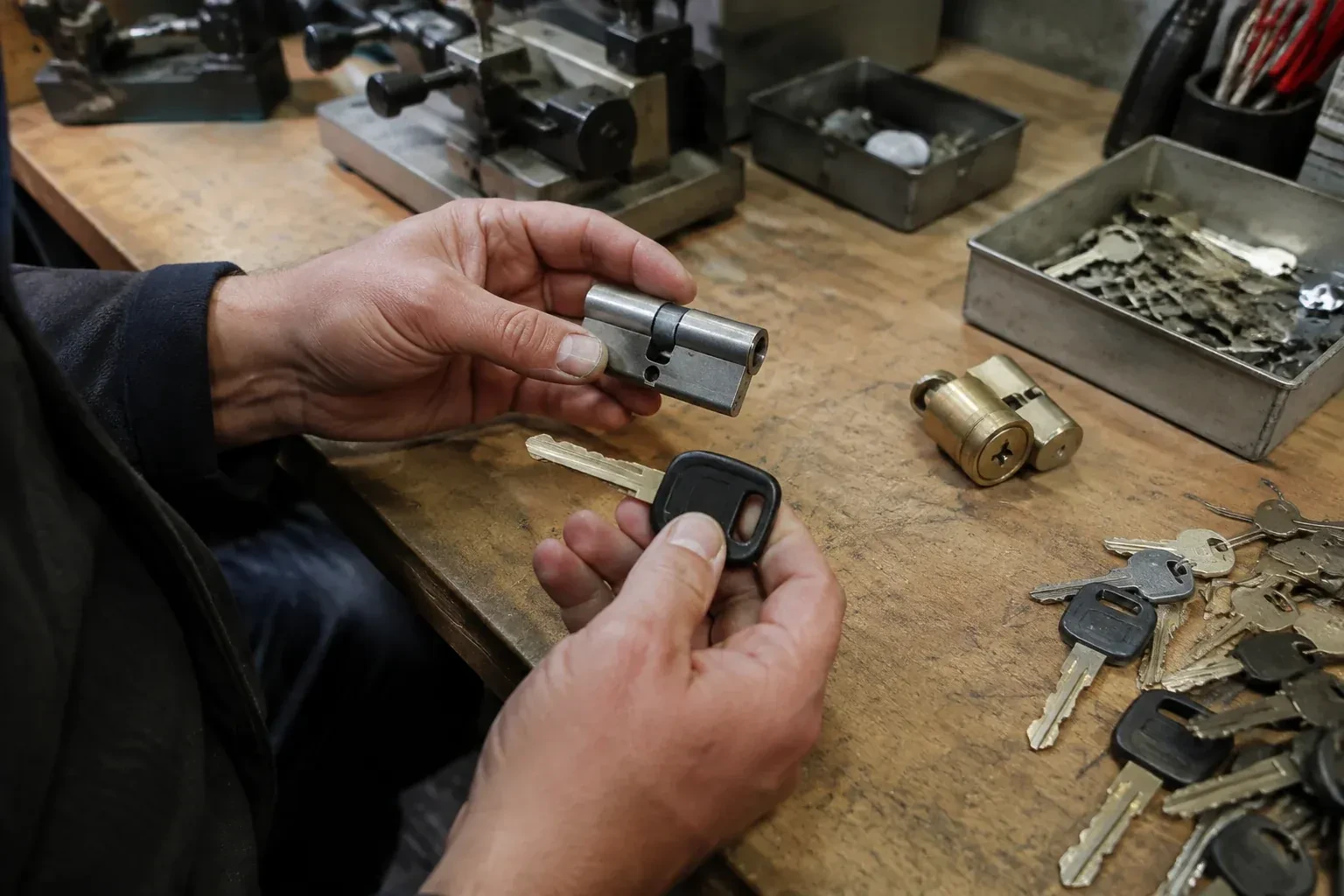
Cylinders go in, strikes are screwed into the framing, keys are cut from code, and the system is registered so only you can order more.
Good days. Start with a turn.
1/9Home Lockout Service
Someone pushed the privacy button on the bathroom door and pulled it shut behind them, leaving the room locked and empty. The little emergency slot on the outside is stripped, and the tiny release key that came with the handle disappeared years ago.
That key had been bending a little for years, and you kept straightening it. Today it finally cracked at the deepest cut. The stub is in the lock, and the spare you found goes in a few millimetres and stops against it.
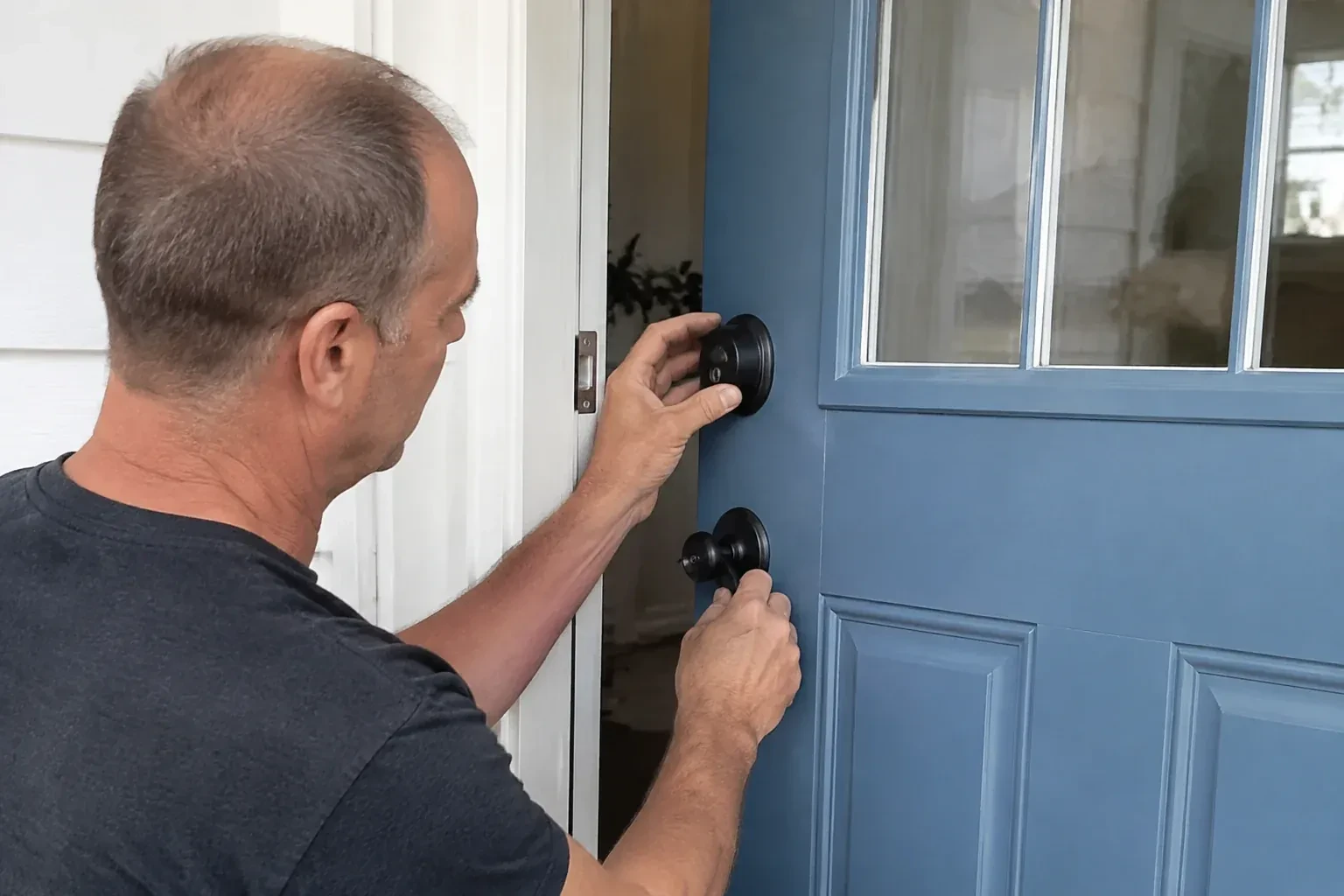
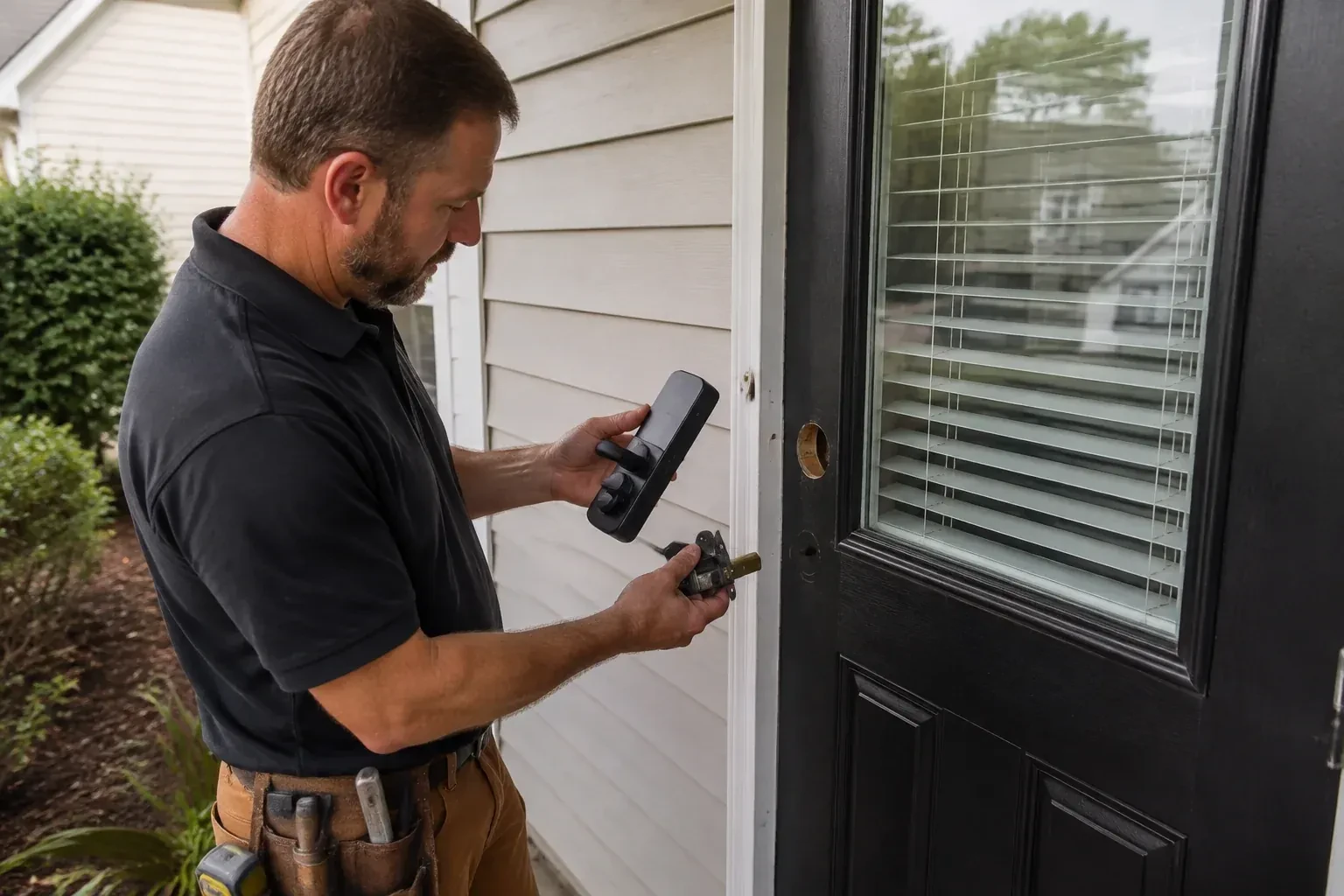
You bought a keypad deadbolt online and pulled the old one off, only to find the hole in the door is a different size and the bolt latch sits at a backset the new kit does not list. The door is now open and the box is on the counter.
A self-storage operator wants the office, the tenant gate and the equipment shed on three different levels of access for staff, but every lock on the property currently answers to the same handful of interchangeable keys handed out over the years.
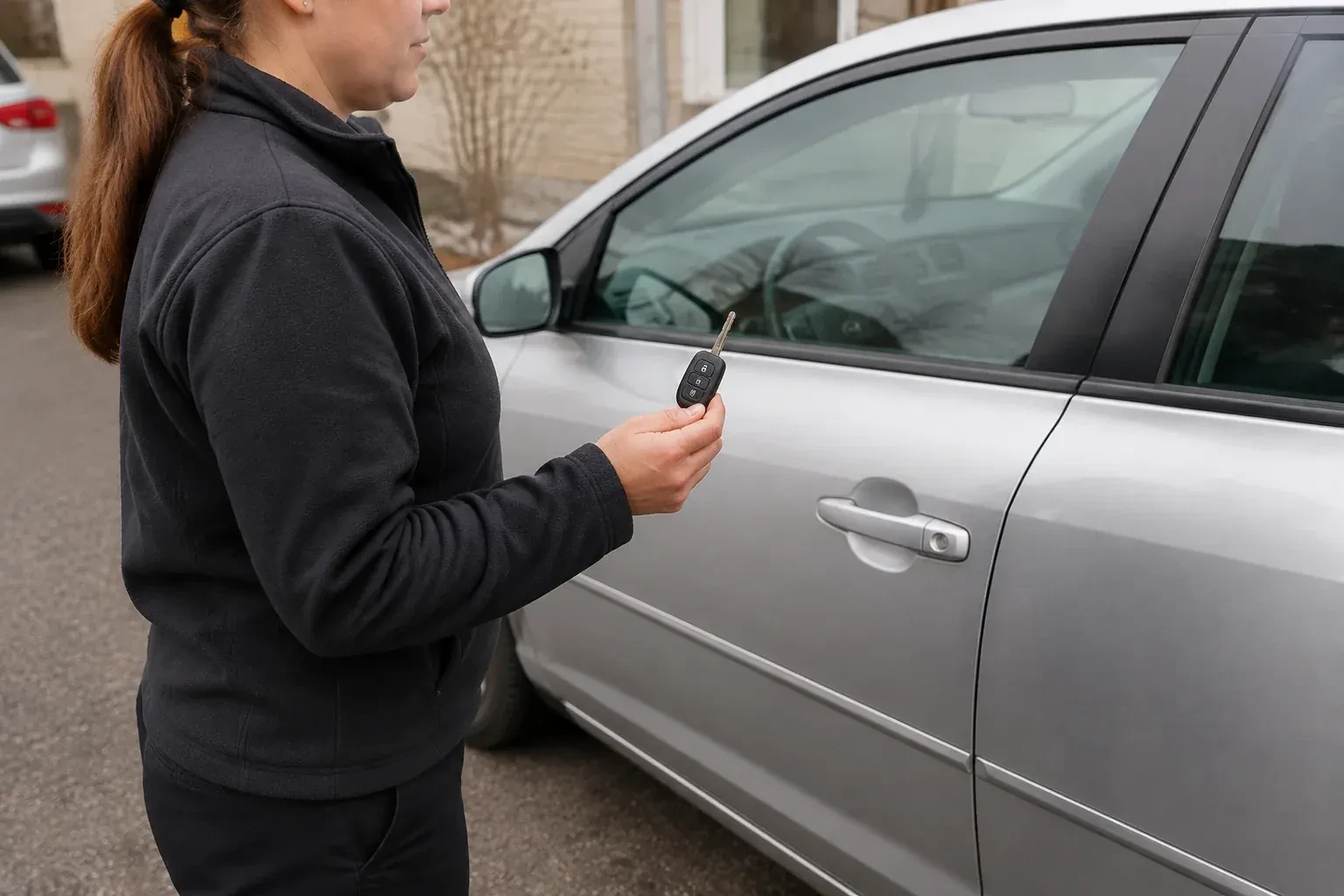
Your toddler is buckled in the back seat, the doors locked when you shut yours, and your keys are on the front seat beside your phone. It is hot, the child is starting to fuss, and you need help this minute, not a discussion.
The only key to the car went into the lake with the kayak. Now the car sits locked in the driveway with a full tank, and there is no spare in the house, in a coat pocket or anywhere else.
One key opens the car, starts the car, and rides in one pocket every day. Nothing backs it up. A dropped storm drain, a torn pocket or a moment of distraction would leave the household without a way to drive anywhere tonight.
A new driver has joined the household, and the one existing fob is the only key anyone has ever had cut for this vehicle. Handing that single fob over for the day means someone else is left without a way into their own car.
Every key that ever opened the car is gone at once, one taken with a stolen bag, the spare misplaced months ago and never replaced. There is no working key left anywhere in the house, the garage, or a coat pocket, and the car sits exactly where it was parked.
What happens if my identification is not convincing enough on the spot?
The work pauses rather than proceeds, and the locksmith helps you find another route: a neighbour or building manager who can confirm you live there, a document on your phone, a family member who can bring paperwork, or completing the check inside after entry when the documents are behind the door. Verification protects you as much as anyone, because the same standard applies to whoever might one day claim to live at your address.
My car key snapped in the door. Is that a locksmith job?
Yes. Vehicle door locks and ignitions use wafer cylinders that respond to the same extractor tools. Once the blade is out, the plastic head you are holding, which carries the transponder chip and any remote buttons, can usually take a freshly cut blade so the car keeps recognizing it. The ignition is checked as well, since a broken key sometimes disturbs the wafers.
What do lock grades mean when I am picking a deadbolt?
Residential deadbolts are graded under an industry standard in three categories, security, durability and finish, with letter grades from C through A, so a lock marked with three A grades has met the highest level in each. Heavier commercial-pattern bolts are graded 1, 2 or 3, with 1 the highest. The grades let you match hardware to a busy family door or an exposed side entrance without relying on the weight of the box.
What happens to the old keys once a new system is cut?
Once the new pinning is tested and confirmed working, the old keys no longer operate the cylinders they used to, whether or not they are physically collected back. Collecting them anyway is good practice, since it closes the loop on how many old copies were in circulation and lets the business retire them rather than wonder where they ended up.
My keys are in the trunk. Do you have to open the trunk lock?
Almost never. Where the cabin has a usable path, it is opened first and the trunk released from inside using the release lever or the fold-down rear seat; the glowing emergency handle is mounted inside the trunk itself for a trapped occupant, and some vehicles have no cabin release at all. The lid is never forced. If the car has a valet setting that isolates the trunk, the trunk cylinder is decoded and turned like a door cylinder, again without marks.
The fob died in the cold. Is that a battery or the key?
Almost always the battery. Coin cells deliver less in deep cold, and a cell that was already weak goes quiet on the first bitter morning. Most cars still start with a flat fob if it is pressed to the start button or laid in a marked slot, and the emergency blade opens the door. Replace the cell, and if the fob stays silent with a fresh one, the remote board or a corroded contact is the next thing to look at.
Can one key work for two vehicles?
Sometimes, when both vehicles share a compatible lock family and immobilizer system, most often two vehicles from the same manufacturer and a similar era. Sharing a keyway is not enough on its own: the two locks also need a bitting that satisfies both, or one vehicle's cylinders get rekeyed to match, and the transponder has to be capable of authorization on both immobilizers. Where they do not line up, the practical answer is two separate keys carried together on one ring.
How many fobs can be registered to one vehicle?
This depends on the manufacturer, since each vehicle's memory has a set limit built in, commonly enough for several drivers plus a spare. The visit checks how many the specific vehicle allows and how many are already registered, so a household adding another driver knows whether there is room before a new fob is ordered.
What information should I have ready before this visit?
The vehicle's year, make and model, and its VIN if it is easy to find, let the locksmith arrive with the right blank and chip already in hand. Knowing how many keys currently work, whether any were lost or stolen, and whether the vehicle uses a basic blade or a fob shapes the rest of the visit before a single tool comes out.
Request a visit
Older houses in Centreville get a locksmith who respects them. We work around original trim, keep period hardware where it can be kept, and match finishes when something new is needed so the door still looks like it belongs to the house. Modern security can sit behind a hundred-year-old face; that is a matter of choosing parts carefully.