Change or rekey · Doon
Lock Replacement & Upgrade in Doon
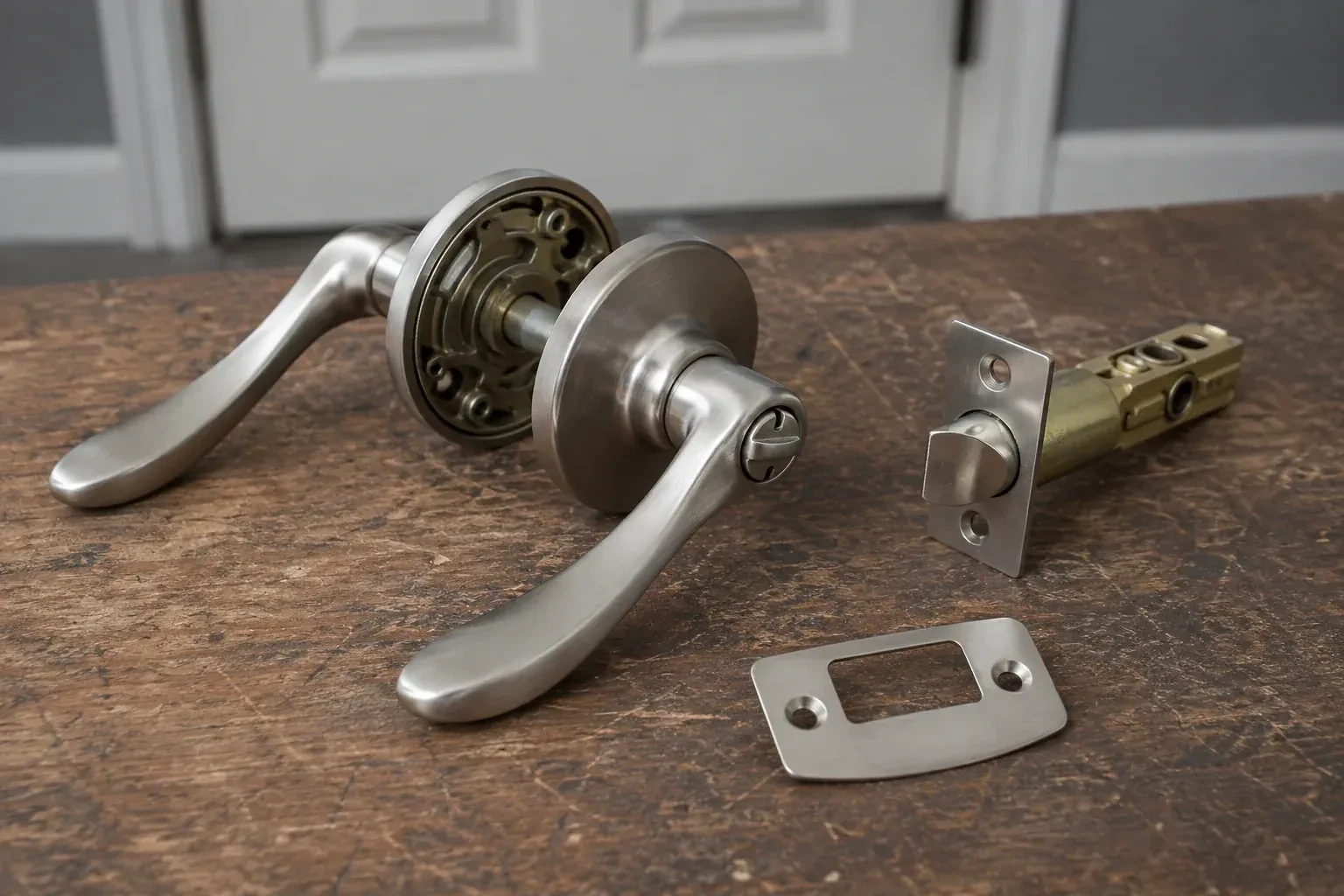
The lever on the side door droops toward the floor and rattles in your hand.
In plain words
After a break-in or an attempt, the door tells a story, and the new hardware should answer it. Splintered wood around the strike means the jamb gave before the lock did, so the repair pairs a heavier deadbolt with a reinforced strike and 75 millimetre screws that reach the framing behind the jamb. A bent bolt or cracked housing is replaced with a graded deadbolt whose bolt has a hardened core. A knob lock that was bumped or forced is swapped for a set with better pins. The aim is a whole opening that resists force, not merely a shinier lock.
How the visit goesSomeone tried the back door while you were away. The jamb is splintered around the strike, the bolt is bent, and the knob turns with a grinding feel. Everything held, barely, and you want hardware that would do better next time.
Lock Replacement & Upgrade
How the visit goes
Function, and the way out
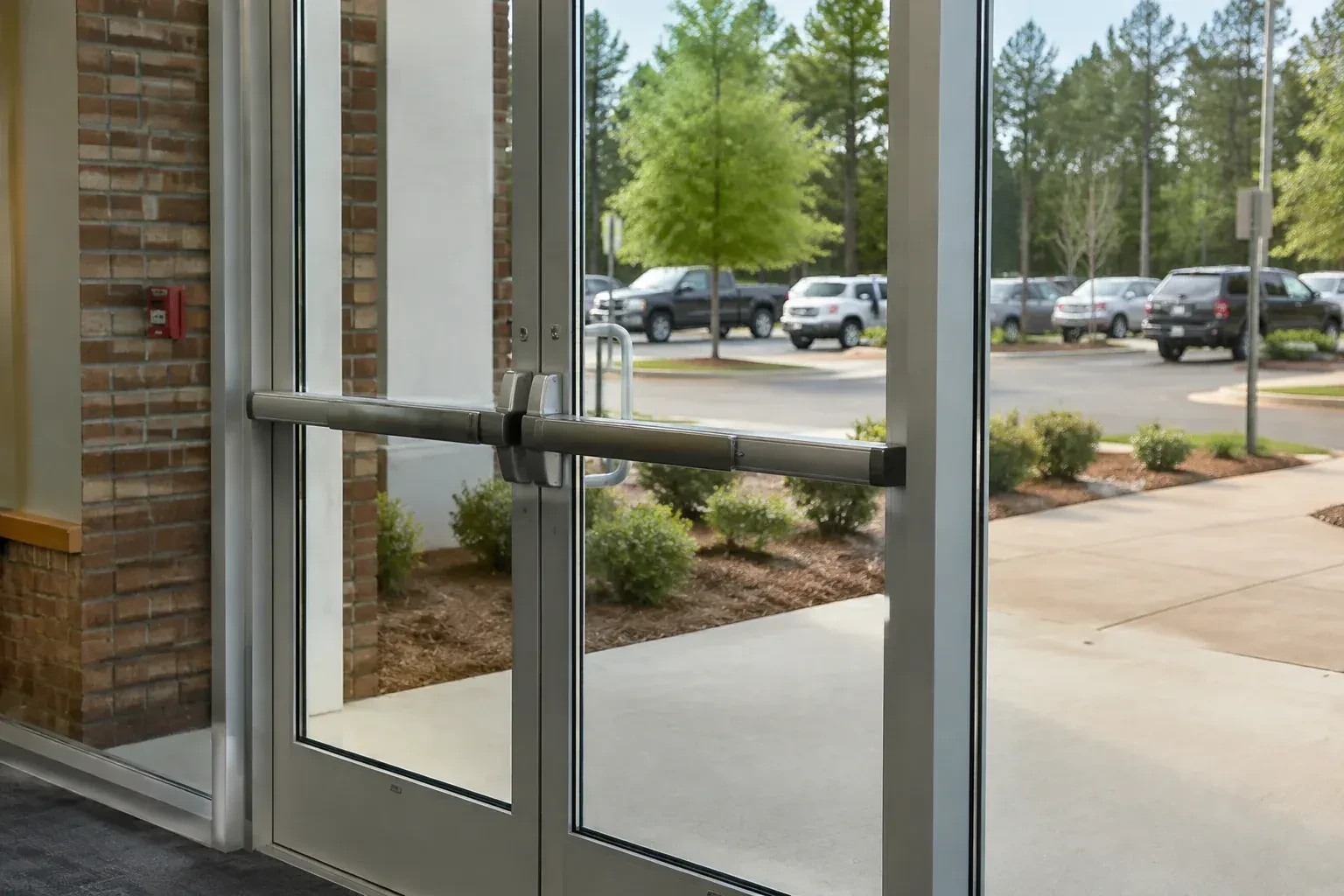
Each door has a job, and the hardware should match it. The main entrance needs a keyed deadbolt with an interior thumb-turn so anyone inside can leave without hunting for a key. A door with glass beside it is better served by a reinforced strike and glass protection than by a keyed cylinder on the inside. Interior doors may want passage, privacy or a keyed function, and a lever suits hands that find a knob awkward. Sorting function out first keeps looks from overriding how the door has to work.
Mounting the cylinder and the interior side
The exterior housing goes on with its tailpiece passing through the slot in the bolt, oriented as the maker specifies so the keyway sits upright. The interior thumb-turn or rose is offered up and the two long mounting screws are drawn down evenly by hand until firm, not crushed; zinc housings distort and threads strip under a drill, and an over-tight rose makes a lever heavy forever. On thick doors, extension kits bring screws and spindle to length. A knob or lever set adds the latch spindle and the spring cage, and the handle is checked to return crisply to level before the trim is snugged.
Simple habits that keep new hardware new
New locks ask very little. Once or twice a year, or at whatever interval the lock maker specifies, a puff of the lubricant that maker calls for in the keyway and a few turns of the key keep the pins moving freely, since the wrong product for that cylinder gathers grit instead of helping it. In winter, wipe salt spray off the exterior hardware when it appears, since salt is the finish's main enemy here. Each spring and fall, check that the hinge and strike screws are snug, because wood doors move with humidity and a dropped door makes a good lock feel worn. A key that starts to need coaxing is an early word from the cylinder.
Lock Replacement & Upgrade
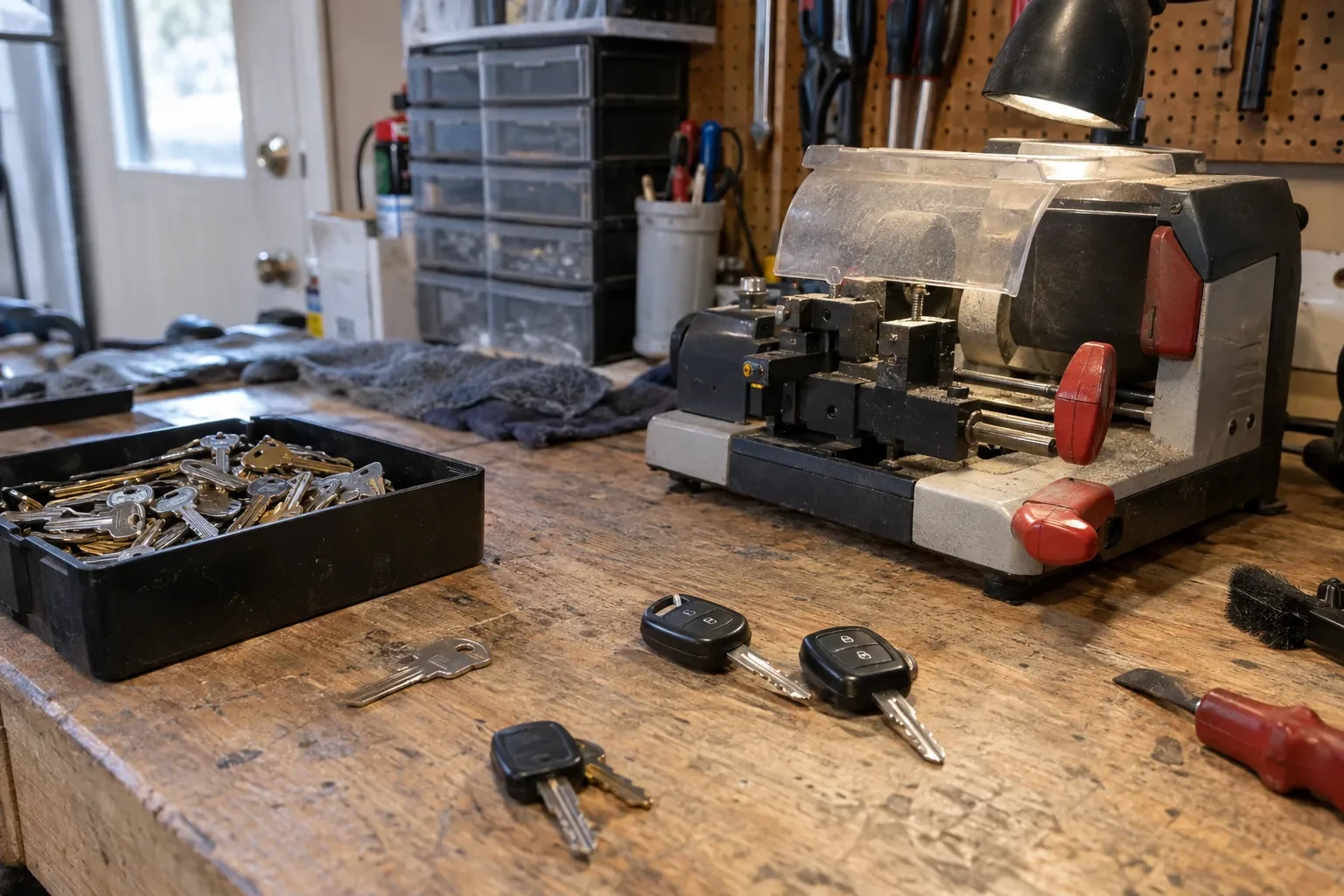
In the van
Handleset with matching deadbolt
Boring jig and hole saws
Knob or lever entry set
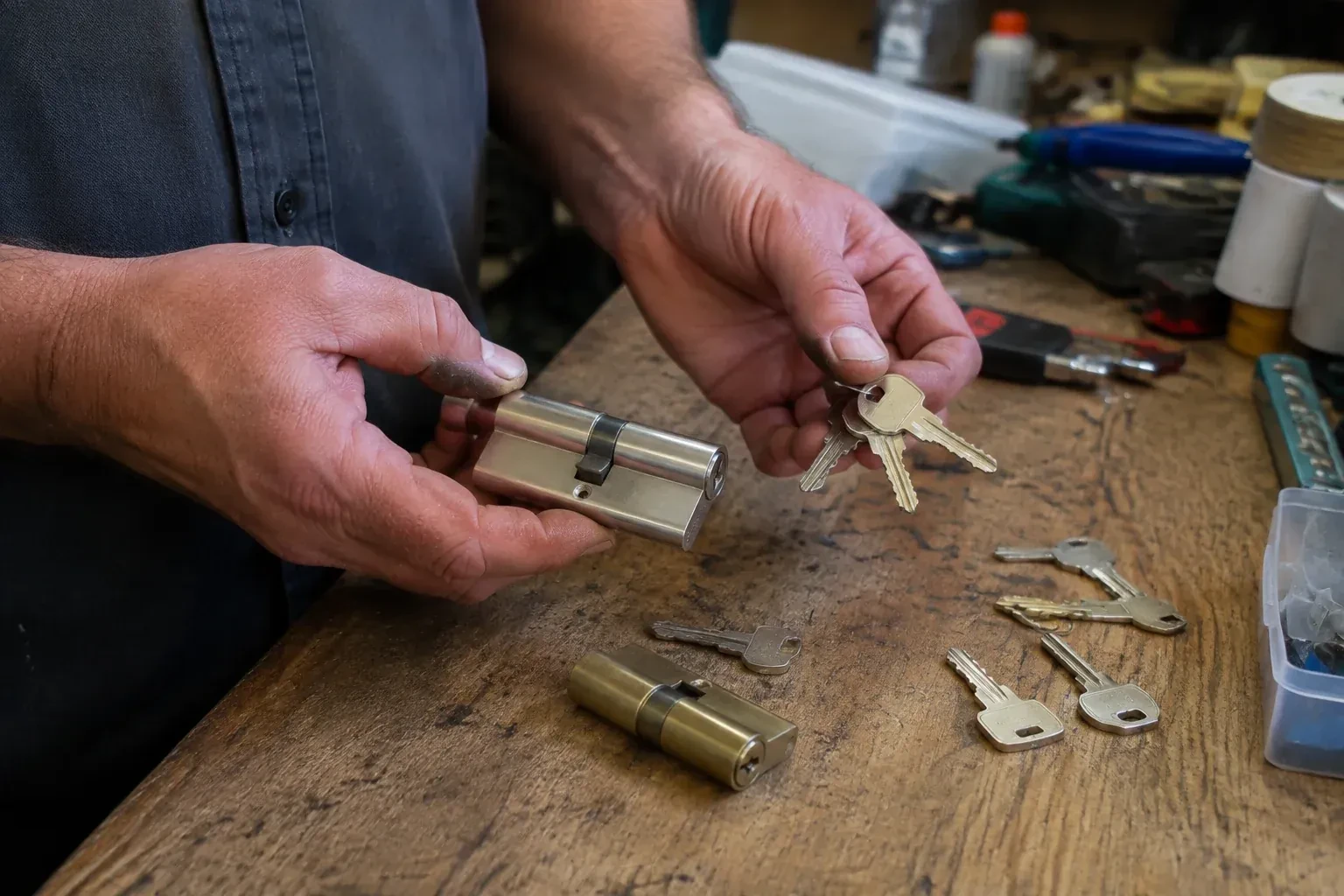
Cylinders, plug follower and pinning kit
Graded deadbolt
Lock Replacement & Upgrade
What affects the quote
Special-order hardware
Most standard locks come from the van. A specific style, an unusual finish or a restricted system may need ordering, which affects scheduling and is noted in the quote rather than discovered on the day.
Keying alike and rekeying
Pinning new cylinders to one key and repinning existing locks to match is work per cylinder, so a whole house on a single key is quoted by the number of locks joining it.
Finish and style
Standard satin nickel or brass is one line; specialty finishes, matched suites across several doors and designer handlesets are others. The finish you choose for exposure and looks is priced as the maker prices it.
What to have ready
- Can you photograph each lock from outside, inside and along the door edge?
- Do you want every exterior door to open with one key?
- Are you interested in a keypad or smart lock on any door?
Lock Replacement & Upgrade: questions
QuestionsCan the same visit replace locks on more than one door, or does each door need its own appointment?
One visit usually covers every door on the job. The locksmith brings a range of cylinders and strikes, measures each door's backset and bore, and works through the list in order, front entrance first if a key change matters most there. Having a rough list ready, which doors, and whether they should end up on one key or several, lets the locksmith plan hardware before arriving rather than working it out door by door on site.
Is there anything different about steel or fibreglass doors?
The lock hardware is the same; the door construction changes the method. Steel and fibreglass doors have a wooden or composite block inside the lock stile, and existing bores are used wherever possible. Where a new deadbolt must be added, the locksmith drills with a jig and bits suited to the skin so the hole is clean and square, and fits an edge plate designed for that door. Insulated doors also move less with humidity, so alignment tends to hold well.
Will a new lock fit the holes already in my door?
Usually, yes. Most residential doors are prepared to standard sizes, a 54 millimetre cross bore and a backset of 60 or 70 millimetres, and most modern hardware adjusts between those backsets. The locksmith measures before choosing, so the new lock is matched to the door rather than the other way around. Where an older mortise lock or an unusual bore is found, filler plates, extension kits or a carefully jigged new bore bring the door to standard.
Related services
- Deadbolt InstallationThe bolt on the front door is keyed on both sides.
- Vintage Mortise Lock ServiceAfter a wet summer the entry door sits lower in its frame.
- Smart Lock InstallationThe rental turns over every few months and each time you drive across town to swap keys, then wonder whether copies were made.