Lockouts · Kitchener
Business Lockout Service in Kitchener
Minus eighteen with a wind, and the exterior cylinder on the shop door has frozen solid overnight after yesterday's slush.
In plain words
On a commercial door the lock is rarely alone. A door contact feeds the alarm panel, a card reader drives an electric strike or a magnetic lock, and a monitoring company is watching for an opening outside business hours. A business lockout therefore starts with a conversation about those systems: who can disarm the alarm, whether the monitoring station should be told to expect an entry, and whether the electrified hardware has a mechanical override. Handling that first means the door opens without a patrol being dispatched, the access system is left working as designed, and the reader can be reset once someone is inside.
How the visit goesThe manager who holds the only set of office keys is on a plane. The team is gathered in the corridor outside the suite, the landlord's office does not open for another hour, and the client meeting is at nine-thirty.
Business Lockout Service
How the visit goes
Who is asking, and for which company
The first check is about authority to act for the business. An owner or director shows photo identification and a document that ties them to the premises, such as the lease, the business registration or a supplier invoice addressed to the unit. A manager or staff member is confirmed by a call to the owner, the head office or the property manager, using a number the locksmith can look up rather than one written on a scrap of paper. A landlord or their agent shows the lease clause or written instruction behind the request. When the paperwork is behind the locked door, the check is completed inside before the locksmith leaves.
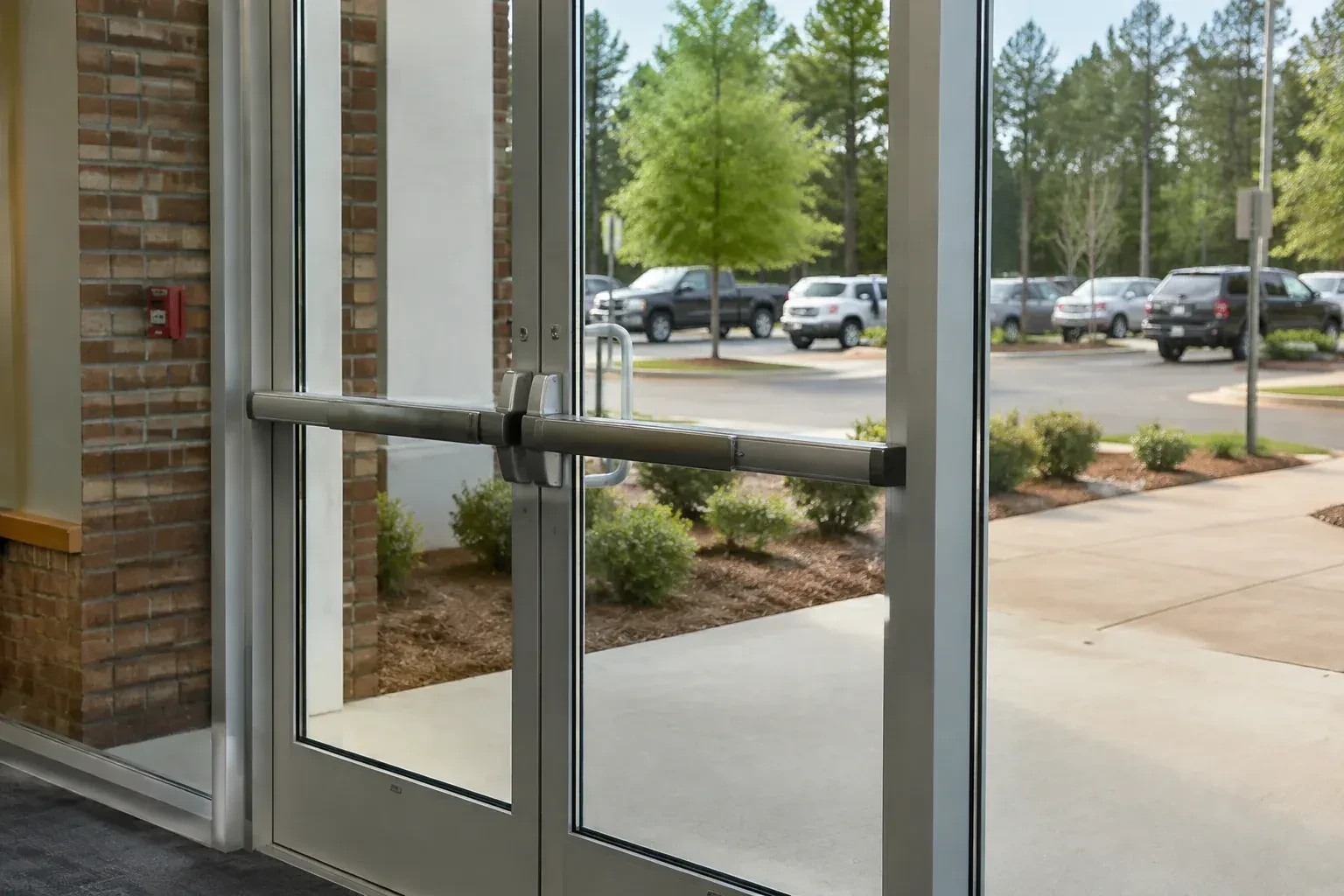
Doors with a push bar inside
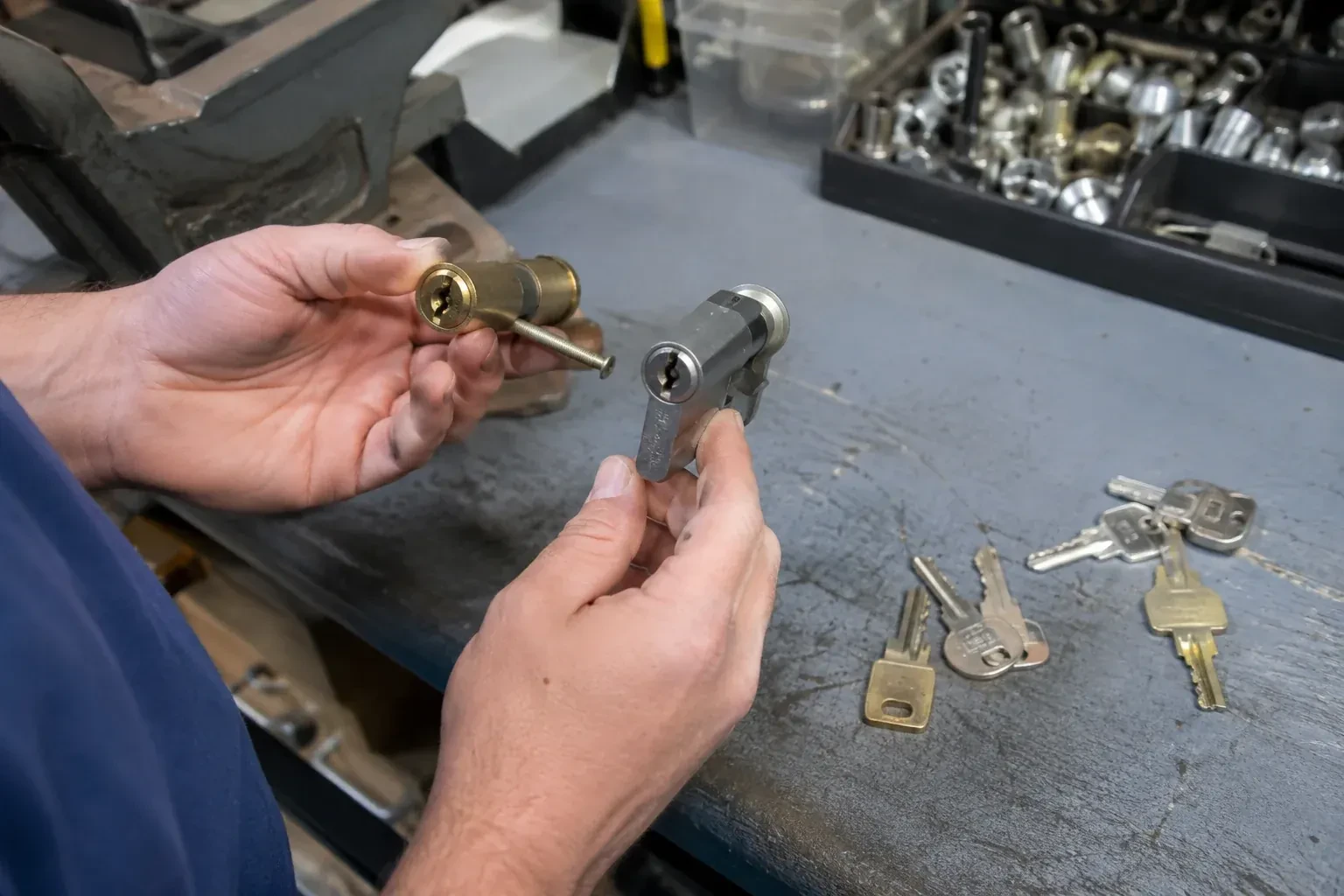
A rear door fitted with an exit device is opened from outside through its trim: a keyed lever, a pull with a cylinder, or a bare cylinder in a nightlatch function. Depending on that trim, picking or decoding the cylinder either retracts the latch directly, the way a nightlatch trim does, or unlocks a lever, knob or thumbpiece that then has to be turned to let the latch go. The device itself, including any vertical rods and the dogging mechanism, is left exactly as installed, because it is the way out in an emergency. Afterwards the bar is pressed from inside to confirm the latch releases with one push, and the outside trim is checked for a loose cylinder.
A written record for the business file
You leave with a plain account of the visit: which door was opened, the method used, whether any cylinder was drilled and replaced, what hardware was fitted, how many keys were cut and to whom they were handed. It notes the condition the hardware was found in, including anything worn or damaged before the locksmith arrived. Property managers ask for this when a unit's locks change, insurers ask for it after a loss, and franchise head offices ask for it as a matter of routine. It also makes the next service call shorter, because the person answering the phone can read what is on the door instead of guessing.
Business Lockout Service
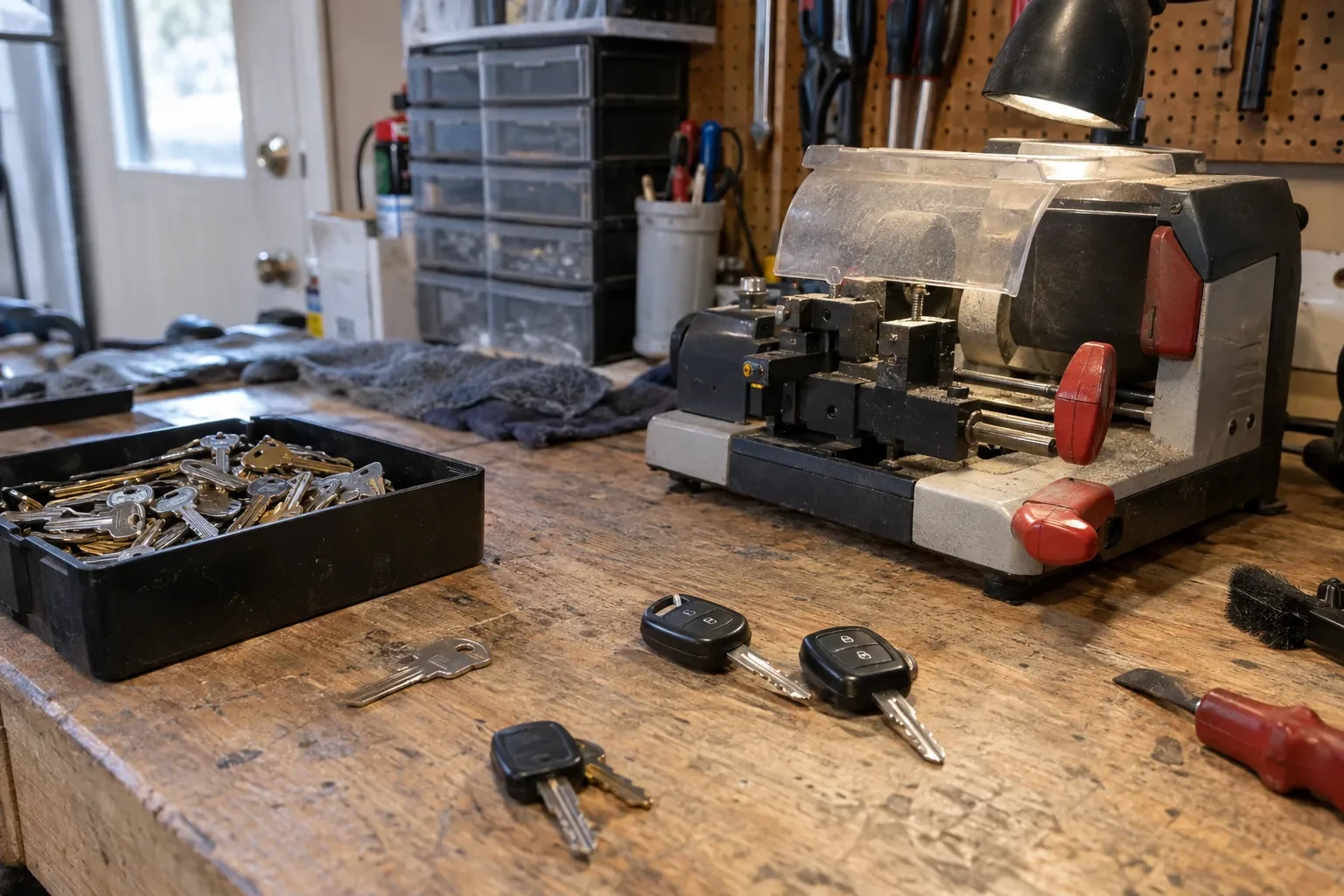
In the van
Broken key extractors
Lock de-icer and dry PTFE lubricant
Storefront deadlatch and hookbolt bypass tools
Storefront deadlock and deadlatch bodies
Exit device trim cylinders and dogging keys
Business Lockout Service
What affects the quote
Door, pivot and closer adjustment
When the lockout was really a dropped door or a tired closer, lifting the door, adjusting pivots or a continuous hinge, moving the strike and resetting the closer are quoted as their own item beside the opening.
Drilling and a replacement cylinder
If a seized or blocked cylinder has to be drilled, the quote gains a new commercial cylinder or core and the labour to fit and key it. This is explained before the drill comes out.
Storefront, lever, mortise or exit device
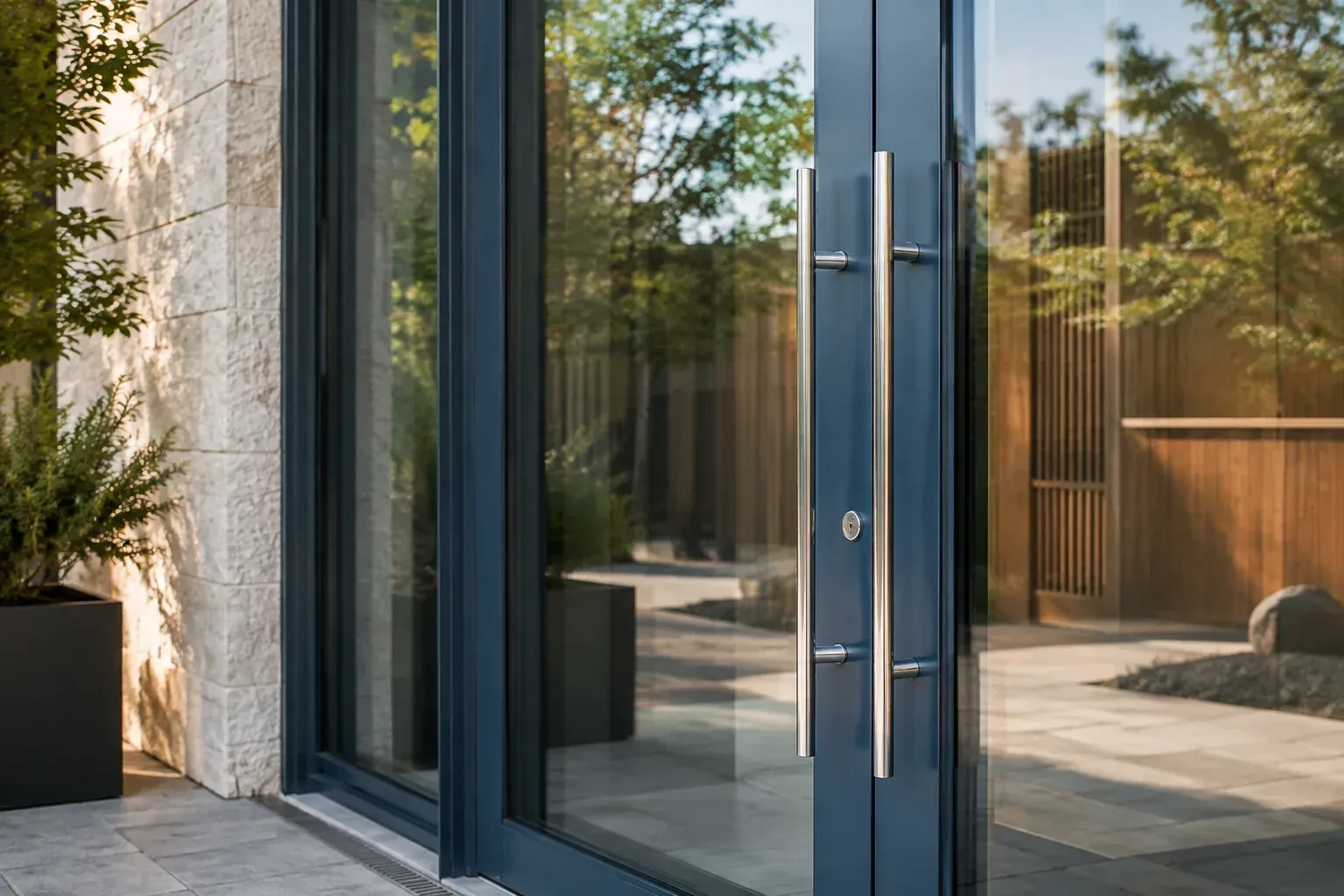
An aluminium storefront cylinder, a cylindrical lever lockset, a full mortise lock and the trim of an exit device each take different tools and time to open, and the hardware on your door sets the starting point.
What to have ready
- Where are the keys: with an absent keyholder, lost, broken in the lock, or turning without effect?
- Who on site can show identification and a document connecting them to the business?
- Does the building have a property manager or a master key system for the unit?
Business Lockout Service: questions
QuestionsWe need to open for customers. How do you sequence the visit?
Entry comes first and repairs second. Once authority is confirmed the door is opened, staff go in and start their routine, and the locksmith turns to the cause: extracting a broken key, rekeying for a lost one, re-springing a deadlatch or lifting a dropped door. Anything that can wait for a quieter hour, such as rekeying interior doors, is offered as a return visit so the shop floor is not blocked while it trades.
Our alarm is armed. What happens when you open the door?
The opening is planned around it. Before any work, the person with the alarm code is ready to disarm, and where a monitoring company is involved they can be told to expect an entry at that address. If the contact trips anyway, the authorised person speaks to the station with the account password. Nothing about the alarm is bypassed; the door is opened, the system is disarmed normally, and the event is logged like any other.
Our storefront lock freezes every winter. What do you do about it?
On the day, the cylinder is thawed with lock de-icer or gentle warmth, never hot water or a flame near aluminium, and dried before a moisture-shedding dry lubricant goes in. To stop the pattern, the keyway gets a cover on the most exposed door, salt is kept off the bottom rail, and the closer is adjusted for cold fluid so the door still latches. A cylinder that freezes yearly may be better placed or shielded.